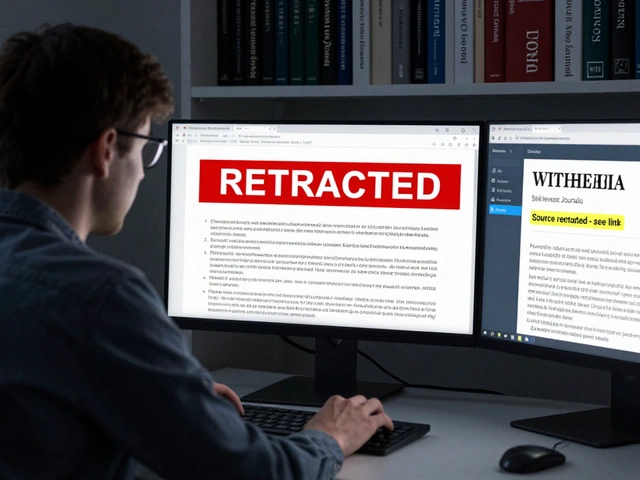
Media Literacy: How to Spot Truth in a World of Wikipedia Edits and AI Noise
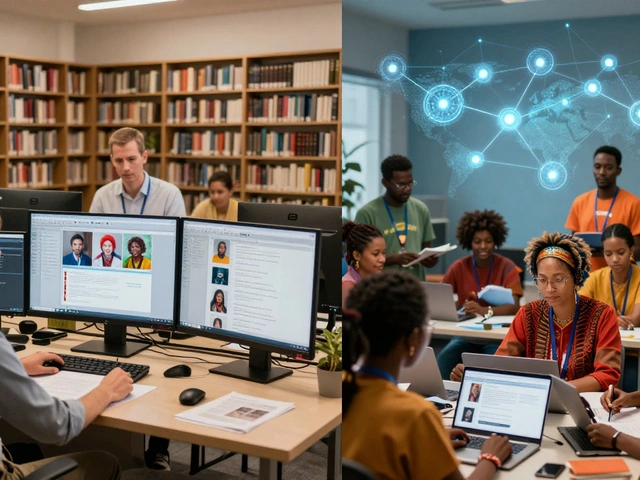
When you read something on Wikipedia, you’re not just reading facts—you’re seeing the result of media literacy, the skill of critically evaluating how information is created, shared, and verified. Also known as information literacy, it’s what separates people who trust everything they see online from those who ask: Who wrote this? Why? And can I prove it? This isn’t just about checking a Wikipedia article. It’s about understanding the systems behind it—the volunteers, the policies, the bots, the edit histories—that turn raw ideas into reliable knowledge.
Wikipedia doesn’t just report facts; it builds them through collaboration. That’s why source verification, the practice of tracing claims back to original, credible references is built into its DNA. Every citation, every edit conflict, every talk page debate is a lesson in how to separate opinion from evidence. And when AI starts generating convincing lies, Wikipedia’s strict sourcing rules become a blueprint for fixing the problem. You don’t need to be an expert to use this system—you just need to know how to check a reference, read an edit summary, or spot a biased infobox. misinformation, false or misleading information spread intentionally or accidentally thrives where people don’t ask questions. Media literacy flips that script.
It’s not magic. It’s method. You can learn to track how an article changes over time using Wikipedia’s history tool. You can spot when an edit comes from a company account with a hidden agenda by checking the conflict of interest policy, a rule requiring editors to reveal personal ties to the topics they edit. You can see how geographic bias shapes what gets written by comparing coverage across languages. And you can learn why librarians and educators are some of Wikipedia’s most trusted contributors—they’re trained to ask the right questions before they click "save."
Below, you’ll find real examples of how people are using these tools every day. From edit-a-thons that teach students to fact-check elections, to bots that block spam before it even shows up, to the quiet work of volunteers who fix biased wording one edit at a time. This isn’t theory. It’s practice. And you don’t need a degree to join in.
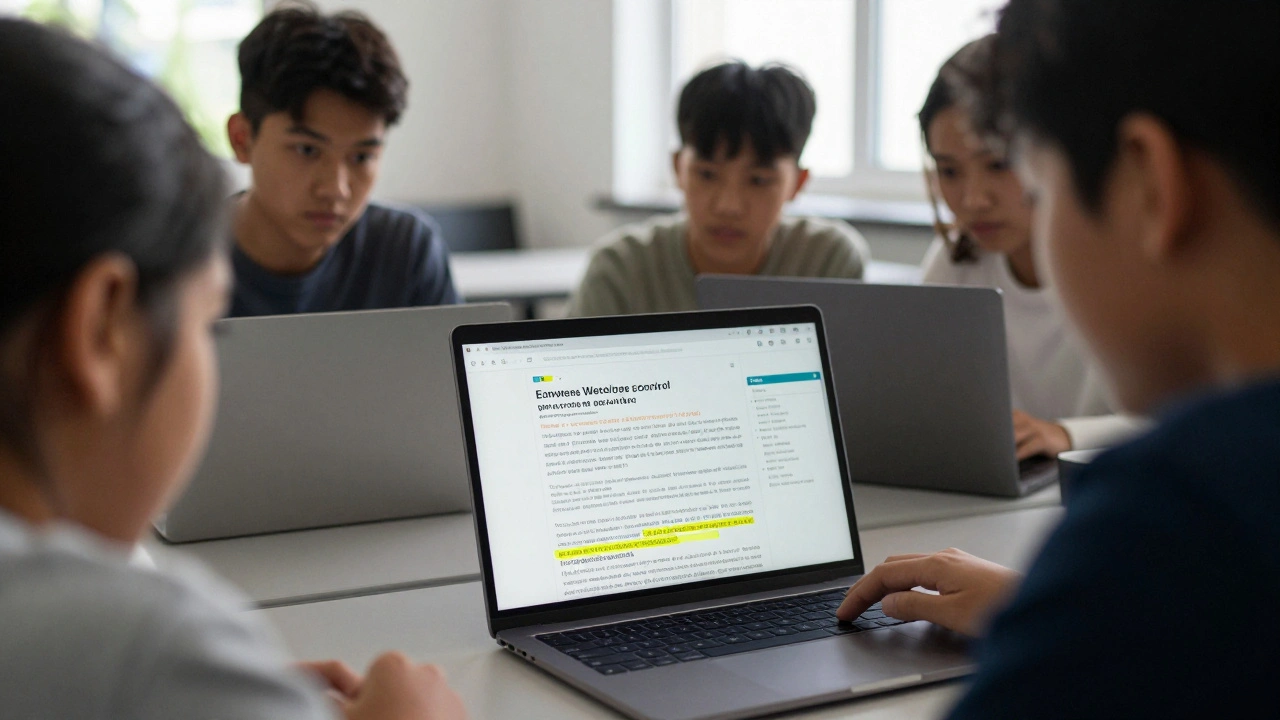
Using Wikipedia Articles on Controversial Topics to Teach Critical Thinking
Wikipedia articles on controversial topics offer a real-world classroom for teaching critical thinking. Students learn to evaluate sources, spot bias, and understand how knowledge is constructed through debate and evidence.
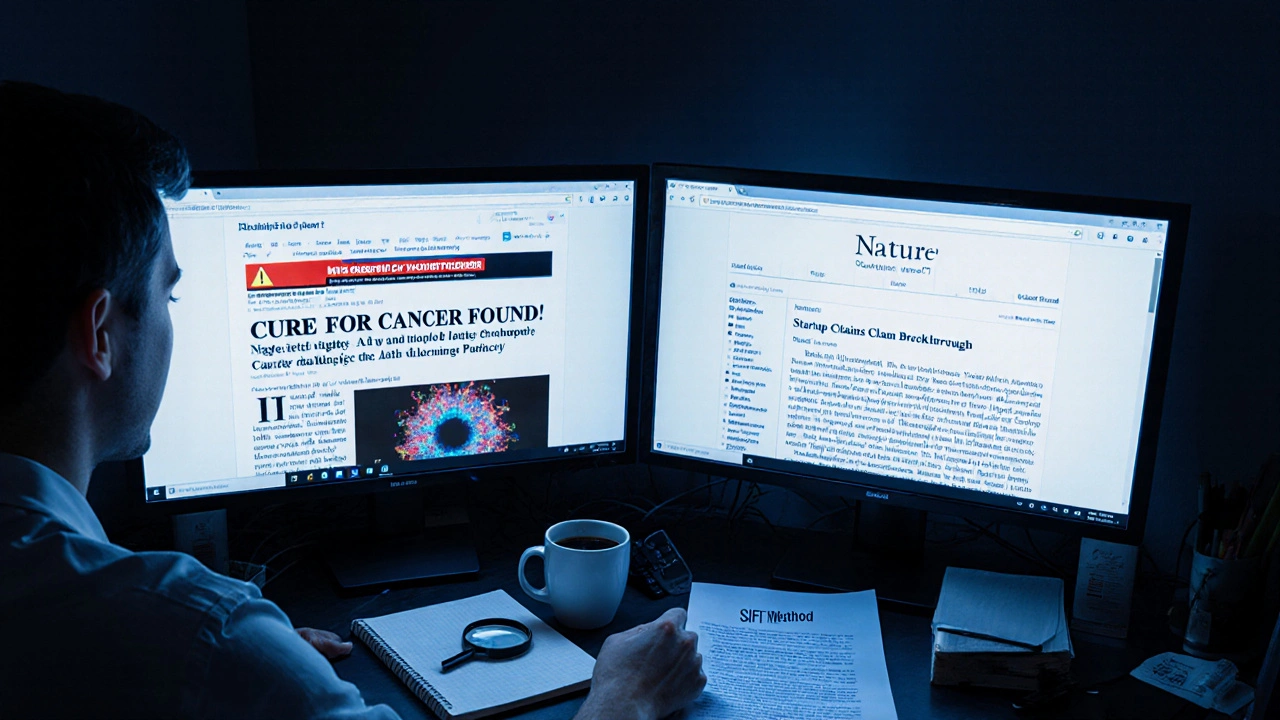
Media Literacy for Wikipedians: How to Engage With Press Coverage Responsibly
Wikipedians must critically evaluate press coverage to ensure accuracy. Learn how to spot unreliable sources, use the SIFT method, and replace weak citations with trustworthy ones to protect the integrity of Wikipedia.