Non-binary editors on Wikipedia: Representation, challenges, and community efforts
When we talk about non-binary editors, Wikipedia contributors who identify outside the male/female binary. Also known as gender-diverse editors, they bring vital perspectives to articles on identity, history, and culture—yet often navigate hostile spaces just to make a single edit. Wikipedia’s user base has long been skewed toward cisgender men, but non-binary editors are changing that quietly, consistently, and sometimes at great personal cost. Their work isn’t just about adding pronouns or updating biographies—it’s about fixing systemic gaps in how knowledge is recorded and who gets to define it.
These editors often rely on Wikipedia task forces, volunteer groups focused on correcting bias in content and policy to push for better representation. Groups like the Gender Equity Task Force and LGBTQ+ WikiProject don’t just edit articles—they draft guidelines, train new editors, and challenge outdated language in policies that assume everyone is either a man or a woman. Meanwhile, systemic bias, deep-rooted patterns of exclusion in Wikipedia’s content and culture still shows up in everything from article coverage gaps to how harassment is handled. A non-binary editor might spend hours correcting misgendering in a biography, only to have their changes reverted by someone who doesn’t understand the issue—or worse, face off-wiki threats that make editing feel unsafe.
Their struggles aren’t abstract. They’re tied to real policies: how Wikipedia defines "reliable sources," how harassment reports are processed, and whether gender-neutral language is treated as neutral or controversial. Non-binary editors are the ones pushing for terms like "they/them" to be accepted as standard in biographies, not just as a footnote. They’re the ones who notice when Indigenous, disabled, or non-Western gender identities are erased because no one bothered to cite them properly. And they’re doing it without pay, without recognition, and sometimes while hiding their identity to stay safe.
What you’ll find in this collection isn’t just a list of articles—it’s a record of how a global encyclopedia is slowly being remade by those who’ve been left out. From how to handle harassment that spills beyond the site, to how task forces are rewriting the rules of neutrality, these stories show the quiet, relentless work behind a more inclusive Wikipedia. This isn’t about politics. It’s about accuracy. And it’s about who gets to be seen in the world’s largest reference library.
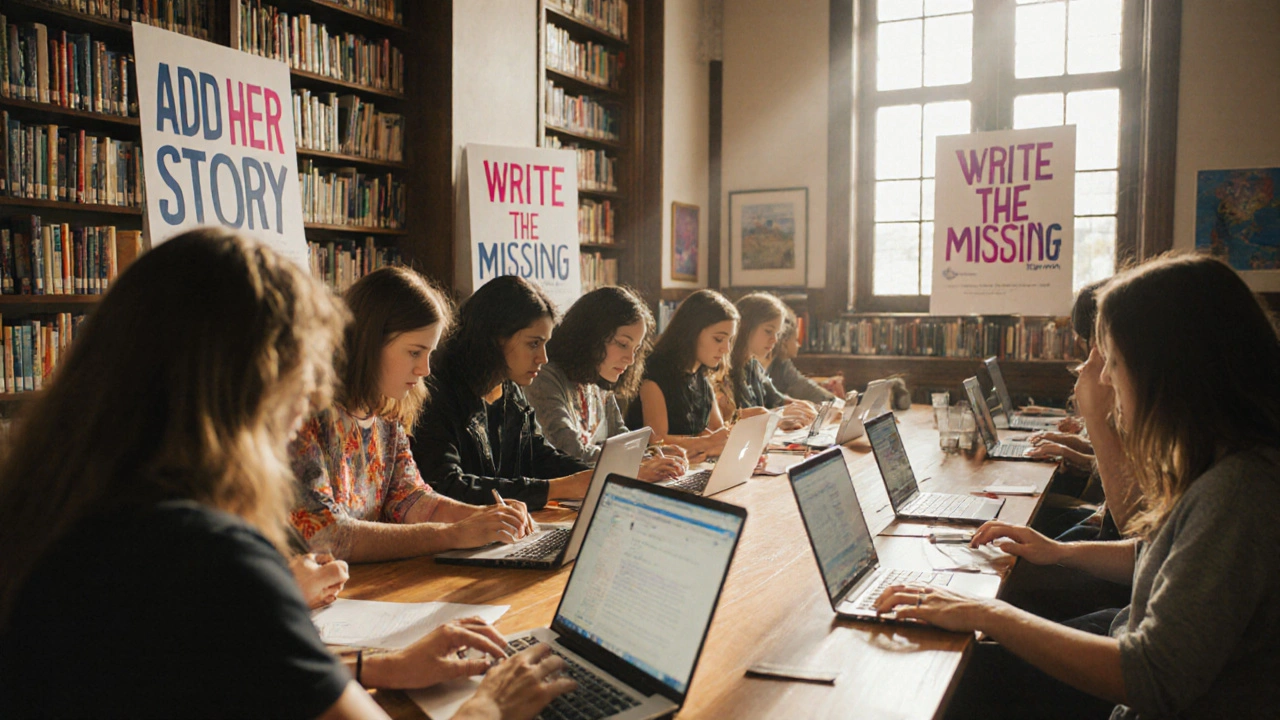
Women and Non-Binary Editors: Programs That Work on Wikipedia
Women and non-binary editors are transforming Wikipedia through targeted programs that build community, reduce bias, and expand knowledge. Learn which initiatives are making real change-and how you can help.