Pitch to Publication: How to Get Wikipedia Coverage in the News
When you want your story to reach millions, pitch to publication, the act of presenting a newsworthy idea to media outlets with the goal of getting it covered. Also known as media outreach, it’s not just about getting quoted—it’s about making sure the information ends up where people actually look for facts: Wikipedia, the free online encyclopedia used by billions as a first stop for understanding the world. If your topic doesn’t show up there, it doesn’t stick.
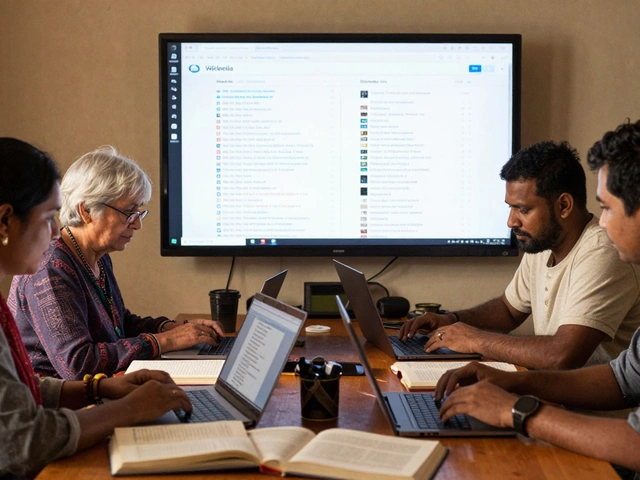
Journalists don’t just report on Wikipedia—they rely on it. But they’re also trained to avoid citing it directly. That’s why journalist roundtables, structured conversations between reporters and Wikipedia editors to improve accuracy and sourcing. matter. These aren’t PR events. They’re training sessions where editors show reporters how to use Wikipedia’s back-end: how to find reliable sources, spot outdated info, and trace edits back to their origins. When you pitch a story, you’re not just selling a headline—you’re offering a source trail. Did you cite peer-reviewed journals? Government data? Official press releases? That’s what editors check before adding your topic to Wikipedia. If your pitch lacks those, it won’t make the cut.
Wikipedia doesn’t cover every press release. It only includes things that have been covered by multiple independent, reliable outlets. That’s why a single article in a niche blog won’t get you there. But if three major newspapers, a public broadcaster, and a respected magazine all report on your initiative? That’s the sweet spot. And when that happens, Wikipedia becomes the permanent archive. Think about it: when a new law passes, a company launches a product, or a scientist makes a discovery, the first place people go isn’t Twitter or a press site—it’s Wikipedia. If your pitch leads to that, you’re not just getting coverage—you’re shaping public knowledge.
There’s a reason why the Wikimedia Foundation, the nonprofit that supports Wikipedia and its sister projects. runs programs to train journalists. They know that bad reporting leads to bad Wikipedia entries—and bad Wikipedia entries lead to misinformation spreading. So when you pitch to publication, you’re not just talking to a reporter. You’re talking to the future editor who will decide whether your story lives on as fact or gets flagged as unreliable. Make it easy for them. Provide clear sources. Avoid hype. Stick to facts. And if you want your work to last beyond the news cycle, make sure it’s built for Wikipedia.
Below, you’ll find real examples of how stories made the jump from press coverage to Wikipedia—and how editors responded when things went wrong. You’ll see tools journalists use to verify facts, how edit filters catch errors, and why some topics explode in traffic while others fade. This isn’t about tricks. It’s about building credibility that lasts.
Signpost Production Workflow: From Pitch to Publication
Discover how Signpost turns raw ideas into trusted news stories through a rigorous workflow that prioritizes accuracy over speed. From pitch to publication, every step is designed to build public trust.