References on Wikipedia: How Citations Keep Knowledge Reliable
When you see a reference, a verifiable source cited in a Wikipedia article to support a claim. Also known as citation, it’s the backbone of every reliable Wikipedia entry—without it, facts become guesses. Wikipedia doesn’t allow original research. Every claim, no matter how small, needs to tie back to a published source. That’s why references aren’t just footnotes—they’re the reason Wikipedia stays credible when other sites collapse under misinformation.
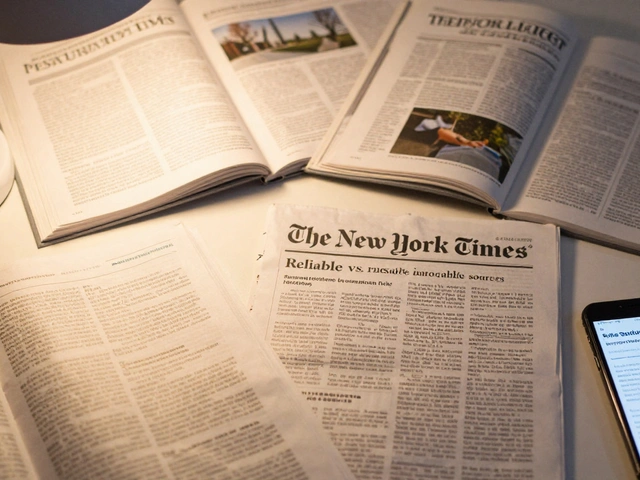
These references aren’t random. They need to be reliable sources, independent, published materials like books, peer-reviewed journals, or reputable news outlets. A blog post or a personal website won’t cut it. Even a major newspaper can be rejected if it’s known for bias or poor fact-checking. The goal isn’t popularity—it’s trustworthiness. And it’s not just about adding a link. Editors must match the source to the exact claim. If an article says "the population is 5 million," the reference must show that number, not just mention the city.
When references are missing, articles get flagged. Editors use templates like {{citation needed}}, a tag that signals a claim lacks a source to ask for proof. Volunteers then hunt down books, archives, or news reports to back up the text. This process keeps Wikipedia honest. It’s also why AI-generated content struggles here—machines can sound confident, but they can’t cite a real article from 1998 that a human found in a library. That’s where humans still win.
References also shape what gets included. If a topic has no good sources, it won’t have an article. That’s why Wikipedia has gaps—some events, especially in underreported regions, stay undocumented not because they’re unimportant, but because no reliable record exists. That’s a feature, not a bug. It forces honesty over hype.
Tools like TemplateWizard and the citation machine help new editors add references without breaking the format. But the real power comes from the community. Someone in Lagos checks a local newspaper. A professor in Tokyo verifies a study. A librarian in Toronto finds a rare archive. These aren’t grand gestures—they’re quiet, daily acts of verification that keep Wikipedia working.
And when references fail? That’s when edit wars start. Geopolitical disputes, corporate PR pushes, and activist campaigns all try to slip in unsupported claims. That’s why Wikipedia’s policies on conflict of interest, disclosing personal ties to the subject being edited and copyvio, blocking copied text without permission exist—to protect the integrity of the references themselves.
What you’ll find below are real stories of how references make or break Wikipedia. From bots that auto-fix broken links, to students rewriting articles for class credit, to editors risking their safety to cite truth in hostile regions—this is the quiet work behind every fact you trust.
How to Read a Wikipedia Article Critically: Infoboxes, Lead Sections, and References
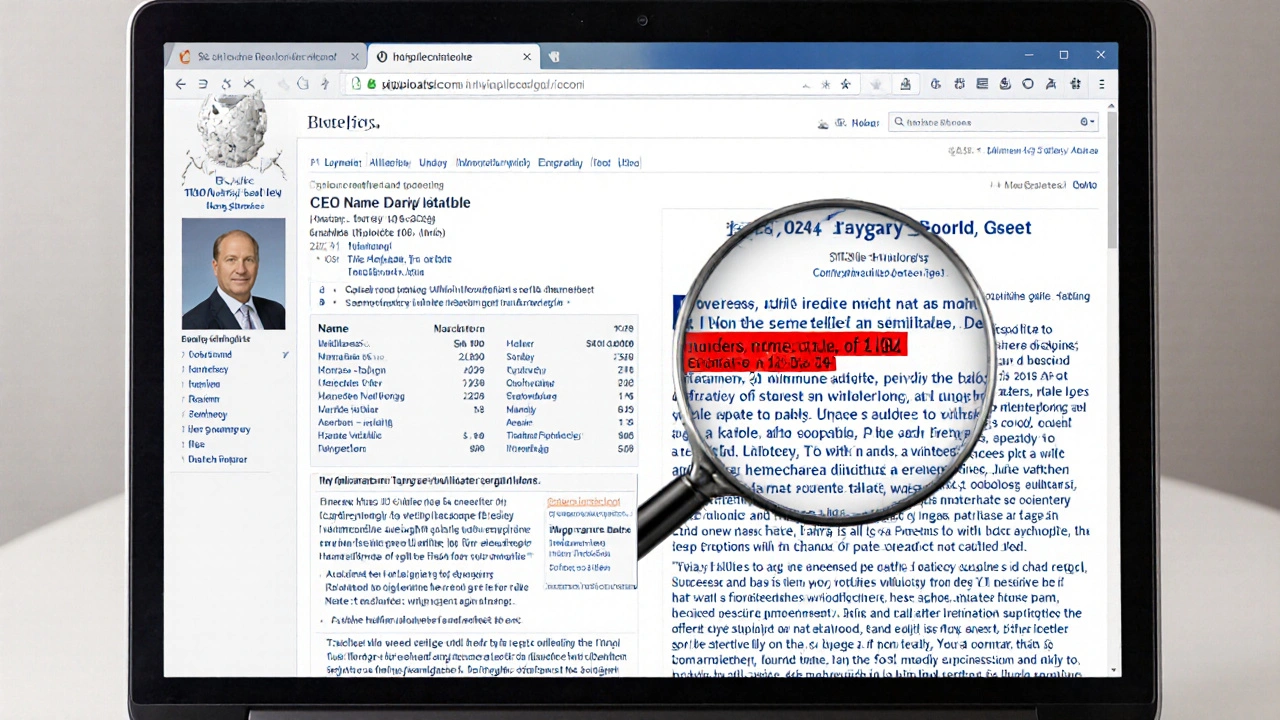
Learn how to read Wikipedia articles critically by checking infoboxes, lead sections, and references to avoid misinformation and uncover hidden bias. Stop trusting, start verifying.