Scholarly Debate on Wikipedia: How Academics Shape and Challenge Online Knowledge
When you read a Wikipedia article, you’re seeing the result of scholarly debate, the ongoing, public discussion among researchers, editors, and policy makers about what counts as reliable knowledge. Also known as academic consensus building, it’s not happening in lecture halls—it’s happening in talk pages, Village Pump threads, and WikiProject discussions where editors fight over citations, wording, and even which topics deserve an article at all. This isn’t just about grammar or typos. It’s about who gets to define truth in a world where misinformation spreads faster than facts.
These debates don’t happen in a vacuum. They’re shaped by Wikipedia research, academic studies that analyze how knowledge is created, distorted, or preserved on the platform. Also known as online encyclopedia studies, this field includes scholars who track edit wars over Ukraine, measure bias in biographies of women, and test whether AI-generated content breaks Wikipedia’s sourcing rules. Their findings directly influence policy. For example, when researchers showed that paid editors were skewing corporate profiles, Wikipedia strengthened its conflict of interest policy. When studies proved that local news sources were disappearing in developing regions, editors pushed for new guidelines on reliable sourcing.
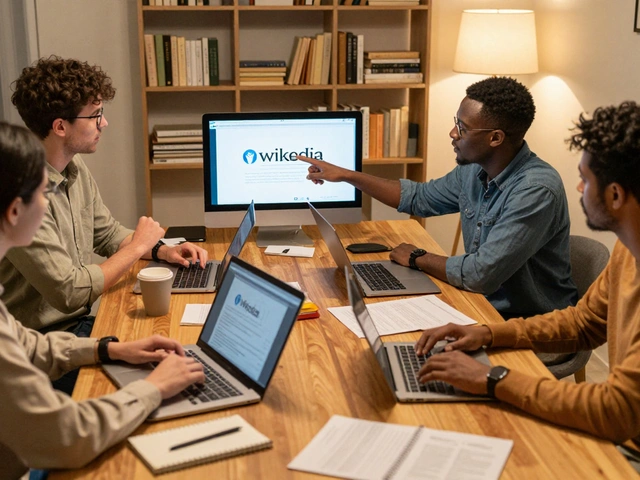
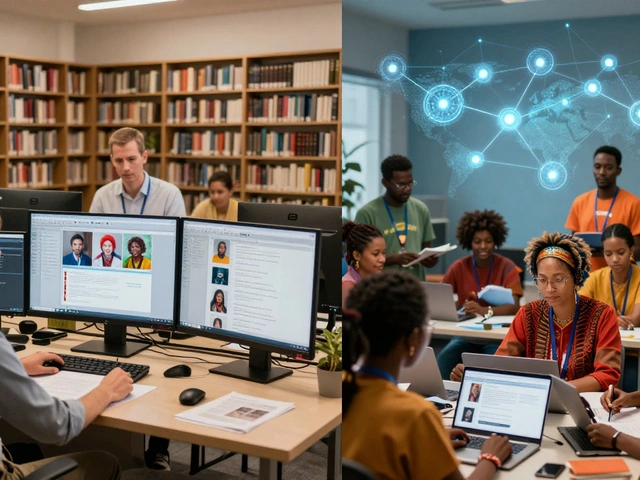
And then there’s the human side: academic editing, the practice of professors and librarians turning classroom assignments into real contributions to public knowledge. Also known as Wikipedia in higher education, this movement brings students into the fold—not to write essays for grades, but to fix misinformation, add citations, and challenge outdated narratives. These aren’t passive readers. They’re active participants in a global conversation about what knowledge should look like. They use tools like the Signpost, diff views, and WikiProject assessments to argue, refine, and defend their edits. And they’re not alone. Librarians, scientists, and historians all bring their training in verification and neutrality into the mix.
The tension between open editing and academic rigor is the engine behind Wikipedia’s credibility. Some say it’s too chaotic. Others say it’s the only system that works at this scale. Either way, every time an editor cites a peer-reviewed journal instead of a blog, every time a policy is rewritten after a research paper is published, and every time a student fixes a misleading infobox—you’re seeing scholarly debate in action. It’s messy. It’s slow. But it’s the reason Wikipedia still works when other platforms fail.
Below, you’ll find a collection of articles that dig into these fights—how they start, how they’re resolved, and who wins. From AI misinformation to geopolitical edit wars, these stories show that Wikipedia isn’t just a website. It’s a living argument about truth itself.
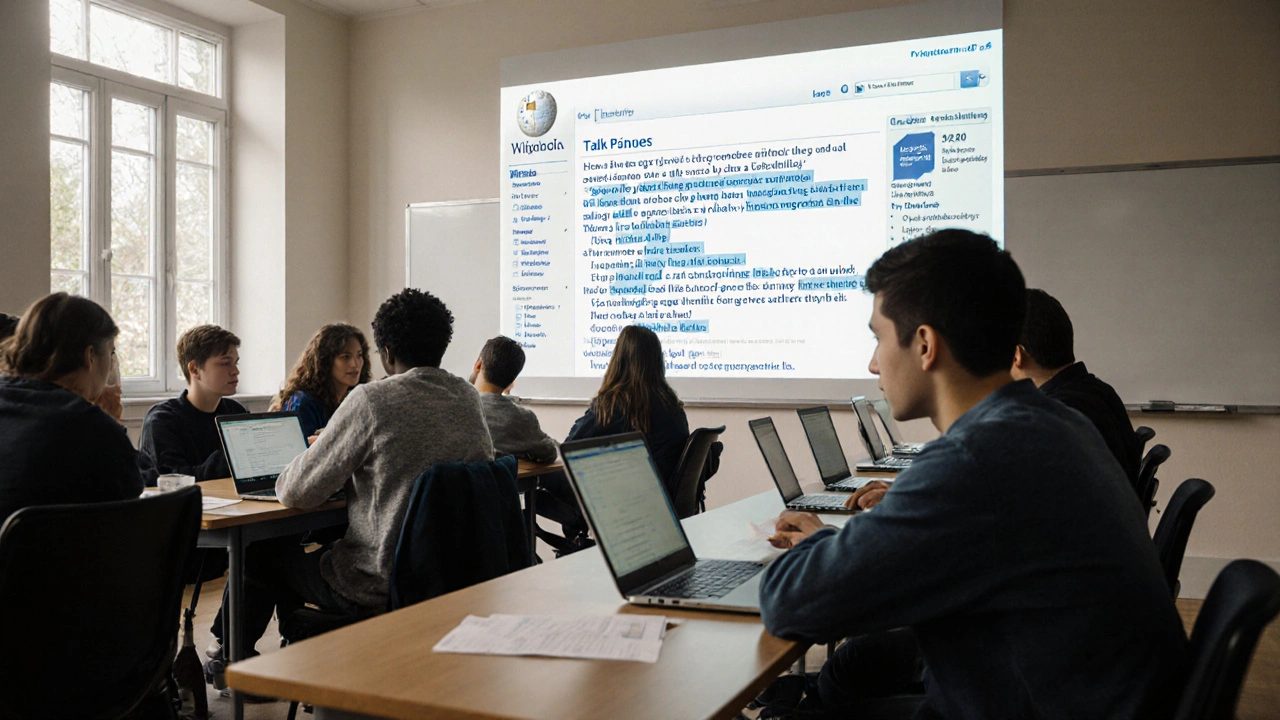
How to Use Wikipedia Talk Pages to Teach Scholarly Debate
Wikipedia talk pages offer a real-world classroom for teaching evidence-based debate, source evaluation, and collaborative knowledge-building. Students learn to argue with facts, not opinions.