Technology Press: How Media Covers Wikipedia and Its Digital Ecosystem
When you read about Wikipedia in the technology press, news outlets that report on digital tools, platforms, and online communities. Also known as tech media, it often treats Wikipedia like a curiosity—a giant crowd-sourced experiment that somehow works. But the truth is more complex: the technology press doesn’t just report on Wikipedia. It influences who edits it, what gets covered, and even how the public trusts—or distrusts—its content.
Many stories in the technology press, news outlets that report on digital tools, platforms, and online communities. Also known as tech media, it often treats Wikipedia like a curiosity—a giant crowd-sourced experiment that somehow works. But the truth is more complex: the technology press doesn’t just report on Wikipedia. It influences who edits it, what gets covered, and even how the public trusts—or distrusts—its content. are shallow. They focus on viral edits, outlandish vandalism, or celebrity controversies. But behind those headlines are real systems: CirrusSearch, Wikipedia’s custom search engine built on Elasticsearch that handles over half a billion queries daily, Toolforge, a platform for hosting and scaling Wikipedia bots and tools without needing server expertise, and The Signpost, Wikipedia’s volunteer-run newspaper that breaks news about site outages, policy fights, and community drama. These aren’t footnotes—they’re the infrastructure that keeps Wikipedia running. Yet most tech reporters never mention them. Instead, they rely on surface-level facts, misquote editors, or treat Wikipedia like a broken Wikipedia. That’s why media literacy, the ability to critically evaluate news sources and understand how information is produced isn’t just for students—it’s essential for anyone who reads about Wikipedia in the technology press.
Wikipedia’s own rules are built to fight misinformation. Its sourcing standards, the requirement that every claim be backed by a reliable, published source are stricter than most newsrooms. That’s why Wikipedia can often correct the record faster than traditional outlets. But when the technology press gets it wrong—calling Wikipedia "unreliable" because of a single bad edit—it feeds the very myths the platform was built to dismantle. The posts below cut through the noise. You’ll find guides on how to spot biased reporting, how Wikipedia editors respond to press coverage, and how tools like TemplateWizard and A/B testing quietly shape the site you think you know. This isn’t about defending Wikipedia. It’s about understanding how it really works—beyond the headlines.
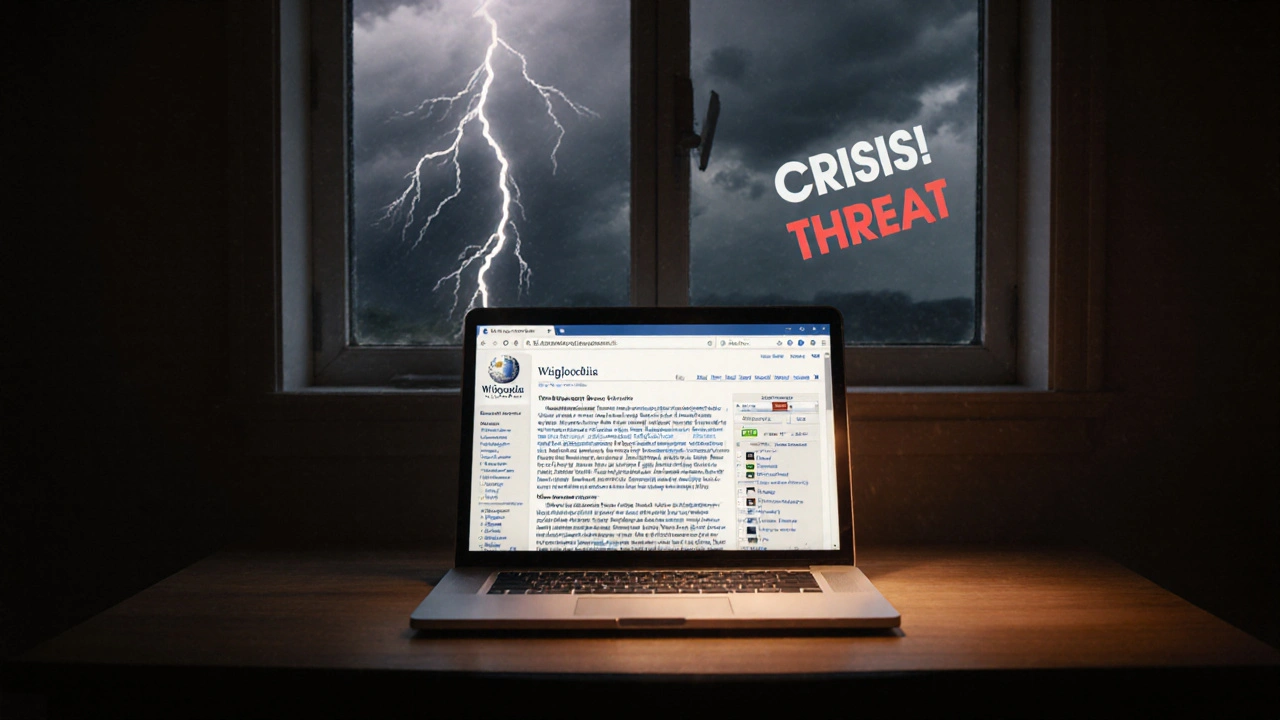
How Technology Media Covers Wikipedia: What Gets Highlighted and What’s Ignored
Technology media often portrays Wikipedia as unreliable and chaotic, but real data shows it's accurate, widely used, and quietly powerful. This article breaks down what gets covered - and what's ignored.