Track Wikipedia Changes: How Edits, Tools, and Policies Shape the Encyclopedia
When you track Wikipedia changes, you're not just watching text get updated—you're watching a living system of checks, balances, and human effort. Wikipedia edits, real-time modifications made by volunteers to articles. Also known as wiki edits, they happen every second across millions of pages, and most go unnoticed—until something goes wrong. What keeps those changes from turning into chaos? It’s not magic. It’s a mix of tools, policies, and people who show up every day to fix mistakes, block spam, and make sure facts stay grounded in reliable sources.
Behind every edit is a system designed to catch problems before they spread. Wikipedia edit filters, automated systems that flag suspicious edits like vandalism or policy violations. Also known as edit filters, they work like a digital bouncer, stopping bad edits before they even go live on high-risk pages like news articles or biographies of living people. Then there’s the human layer: experienced editors who review flagged changes, revert malicious edits using tools like Huggle, a browser tool that helps volunteers quickly identify and undo vandalism. Also known as vandalism reversion tool, it lets users spot spam in seconds and hit revert with one click. And when things get complicated—like when two people edit the same article at once—Wikipedia forces them to merge changes manually. No silent overwrites. No hidden edits. Just clear, visible collaboration.
Who gets to make the big calls? That’s where Wikipedia administrator elections, the process by which trusted volunteers gain extra tools to block users, delete pages, and protect articles. Also known as wiki admin selection, they’ve changed in 2025 to focus less on popularity and more on proven experience. You don’t win because you have the most votes—you win because you’ve shown you know how to handle conflict, follow policy, and keep things fair. This isn’t about power. It’s about responsibility.
When you track Wikipedia changes, you’re seeing the result of thousands of small, quiet acts of care. Someone noticed a broken link. Someone corrected a date. Someone fought off a bot spamming celebrity names. Someone spent hours merging edits after a breaking news story. These aren’t random updates—they’re deliberate, monitored, and often defended. What you read today was checked, debated, and sometimes rewritten by people who care more about truth than speed.
Below, you’ll find real stories from inside this system: how editors use filters to stop misinformation, how mentors help new contributors stay, how news corrections ripple across Wikipedia, and how tools like Huggle and WikiProject worklists keep everything running. This isn’t theory. It’s the daily work that keeps Wikipedia alive.
How Wikipedia's Edit Histories Work: Tracking Changes and Revisions
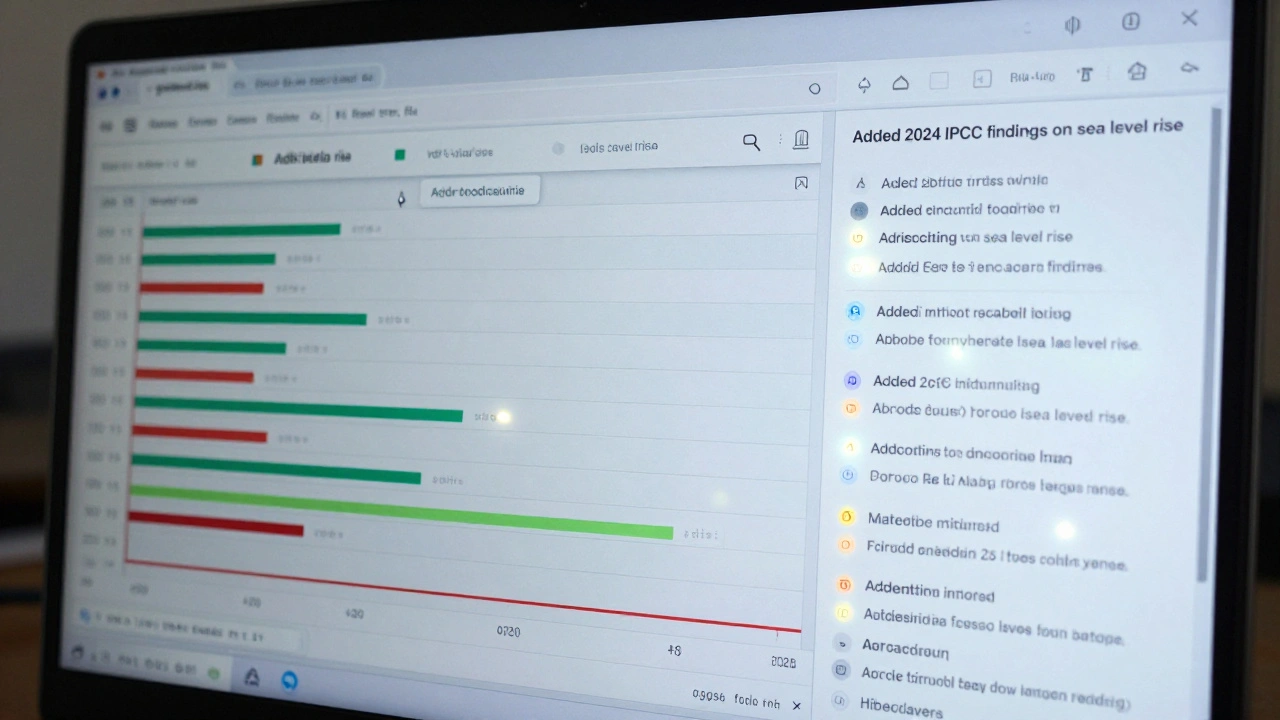
Wikipedia's edit history tracks every change made to articles, allowing users to see who edited what, when, and why. This transparency helps maintain accuracy, fight misinformation, and support collaborative knowledge-building.