Wikimedia downtime: What causes outages and how the community keeps Wikipedia running
When Wikimedia downtime, a disruption in access to Wikipedia or other Wikimedia sites caused by server failures, cyberattacks, or maintenance. Also known as Wikipedia outages, it rarely lasts more than a few minutes—but when it does, it reminds us how much we rely on a platform built by volunteers, not corporations. Unlike commercial websites, Wikipedia doesn’t have a team of customer service reps waiting to fix things. Instead, it’s kept alive by a global network of engineers, sysadmins, and volunteers who monitor servers, patch vulnerabilities, and respond to incidents in real time.
Most Wikimedia downtime, a disruption in access to Wikipedia or other Wikimedia sites caused by server failures, cyberattacks, or maintenance. Also known as Wikipedia outages, it rarely lasts more than a few minutes—but when it does, it reminds us how much we rely on a platform built by volunteers, not corporations. happens because of one of three things: server issues, hardware failures, network congestion, or misconfigurations in Wikimedia’s global infrastructure, cyberattacks, including DDoS attempts that flood servers with fake traffic, or scheduled maintenance, routine upgrades to software, security patches, or data center migrations. The Wikimedia Foundation doesn’t hide these events. They’re posted publicly on their status page, often with details on what went wrong and how it was fixed. Most users never notice—because the system is designed to bounce back fast.
What’s surprising isn’t that Wikipedia goes down sometimes—it’s that it stays up at all. With over 500 million monthly visitors and millions of edits daily, the platform runs on a stack of open-source tools, custom-built software like MediaWiki, and a fleet of servers spread across continents. When a data center in Europe goes offline, traffic automatically reroutes to servers in Asia or the U.S. Bots detect spam and vandalism faster than humans can react. Volunteers monitor edit wars and revert malicious changes in seconds. And when a major outage hits, engineers from around the world show up in chat rooms, not because they’re paid, but because they believe in free knowledge.
That’s why Wikimedia downtime matters. It’s not just a technical glitch—it’s a test of the entire model. Can a site built by volunteers, funded by donations, and maintained without ads survive under pressure? The answer, so far, is yes. Every time Wikipedia comes back online after a brief outage, it’s proof that the system works—not because it’s perfect, but because people care enough to fix it.
Below, you’ll find articles that dig into the tools, policies, and people behind the scenes—how bots stop spam, how search handles billions of queries, how editors verify facts during breaking news, and how the infrastructure keeps going even when the world expects it to fail.
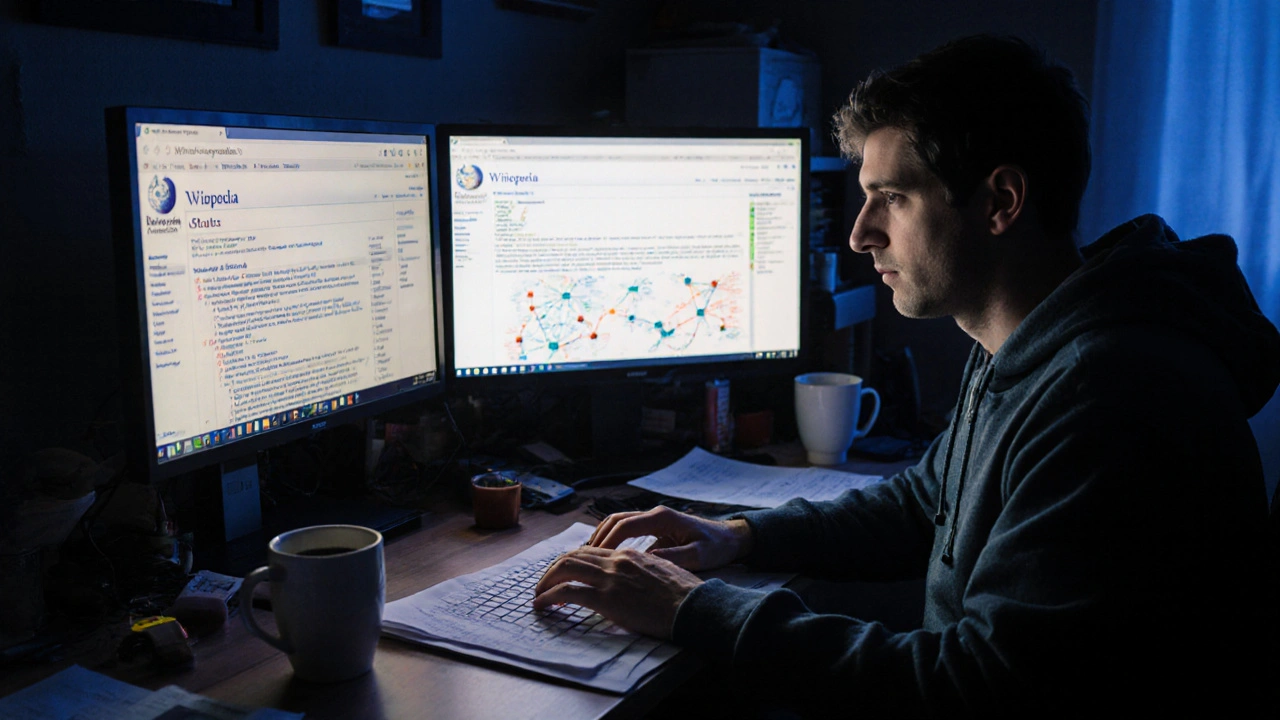
How The Signpost Handles Crisis Reporting During Wikipedia Outages
The Signpost is Wikipedia's volunteer-run newspaper that provides real-time, transparent updates during outages-keeping the community informed, calm, and connected when the site goes down.