Wikimedia technology: Tools, bots, and systems behind Wikipedia's editing ecosystem
When you edit a Wikipedia article on your phone, you’re using Wikimedia technology, the suite of software, bots, and policies that keep Wikipedia running as a free, open, and reliable knowledge base. Also known as Wikipedia’s technical infrastructure, it’s what lets you fix a typo, add a citation, or report spam—all without seeing the gears turning behind the scenes. This isn’t just a website. It’s a living system built by volunteers, automated tools, and careful design decisions that prioritize accuracy over speed or clicks.
Behind every edit, there’s a network of Wikipedia bots, automated programs that handle repetitive tasks like reverting vandalism, fixing broken links, and updating templates. Also known as wiki bots, they process millions of changes daily, freeing human editors to focus on complex content and policy debates. Then there’s A/B testing Wikipedia, quiet experiments that test small interface changes—like button placement or editing prompts—to see what helps users contribute better without affecting content quality. Unlike commercial sites, Wikipedia avoids tracking engagement or clicks. Instead, it asks: Does this help someone add a reliable source? Does it reduce mistakes? And when spam floods in? That’s where spam filtering Wikipedia, a layered defense of automated detection, pattern recognition, and volunteer review. Also known as anti-spam systems, it blocks over 90% of bad edits before anyone sees them. These aren’t side features—they’re the backbone of trust.
From TemplateWizard guiding new editors through complex formatting, to CirrusSearch making sure you find the right article fast, to Signposts flagging articles that need work—every tool is designed to lower barriers for contributors while raising the bar for quality. You don’t need to be a coder to use these tools. You just need to care about getting facts right. The system works because it’s built for people, not algorithms. And it’s always changing: new features emerge from community feedback, policy debates, and real-world threats like geopolitical manipulation or AI-generated lies. What you see on Wikipedia today is the result of years of trial, error, and quiet innovation. Below, you’ll find clear guides on how these tools actually work—whether you’re fixing a typo on your phone, checking a citation, or wondering how Wikipedia stays clean amid millions of edits every day.
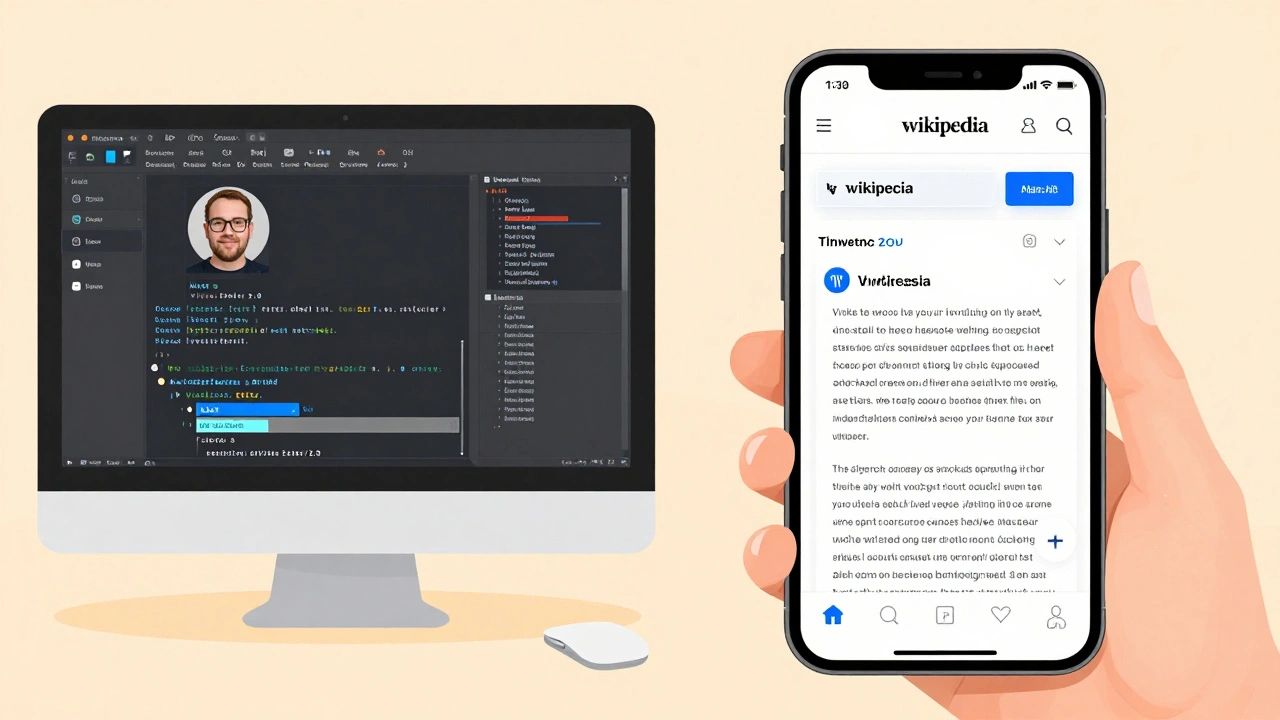
The Signpost's Tech Report: Key Updates for Wikipedia Editors
The Signpost's Tech Report keeps Wikipedia editors informed about critical updates to editing tools, bots, mobile apps, and infrastructure changes. Learn what’s new, what’s gone, and how to adapt quickly.

WMF Engineering Roadmap: Key Priorities for MediaWiki and Mobile Apps in 2025
The WMF engineering roadmap focuses on modernizing MediaWiki and improving mobile apps for faster, more accessible Wikipedia experiences worldwide-prioritizing reliability, inclusion, and community trust over flashy features.