Wikipedia activity: How editors shape the world's largest encyclopedia
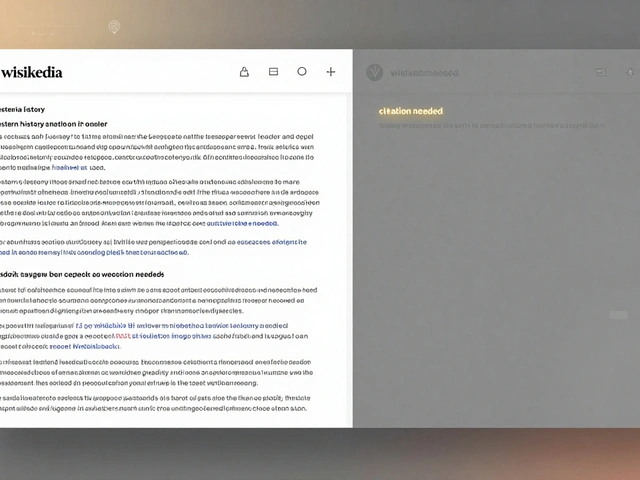
When you think of Wikipedia activity, the collective actions of volunteers who create, edit, and maintain Wikipedia’s content. Also known as Wikipedia editing, it’s not just clicks and saves—it’s a global, quiet movement of people fixing errors, adding context, and defending facts every single day. This isn’t magic. It’s made by real people—students, librarians, retirees, coders—who spend their free time making sure a search for "how photosynthesis works" or "who won the 2023 Chilean election" gives you something reliable.
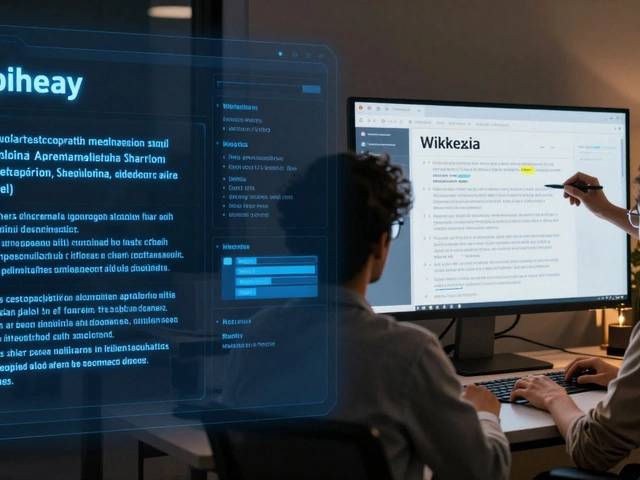
Behind every article you trust is a chain of Wikipedia editors, volunteers who contribute to Wikipedia without pay, driven by curiosity, expertise, or a sense of fairness. They don’t work in offices. They fix typos on their phones, argue over citations on talk pages, and run bots that block spam before it even shows up. Wikipedia community, the network of volunteers who collaborate, debate, and enforce policies to keep Wikipedia accurate and open. isn’t a club—it’s a living system. It’s the reason stub articles turn into B-Class ones, why edit-a-thons in Nigeria or Peru bring in new voices, and why a single bad edit gets rolled back in minutes. Tools like TemplateWizard, Diff, and CirrusSearch make this possible, but none of it works without people showing up.
Wikipedia activity isn’t about how many edits happen—it’s about what kind of edits matter. A typo fix counts. So does adding a citation from a peer-reviewed journal. So does translating an article into Swahili. So does defending an article from legal threats or censorship attempts. This is why you’ll find guides here on everything from mobile editing to spotting media bias, from measuring coverage gaps between languages to how policies are made by consensus. You won’t find fluff. You’ll find real ways people are keeping knowledge free, accurate, and open. What you see on Wikipedia today? Someone fought for it. Someone checked it. Someone made sure it stayed right. And tomorrow? Someone else will do it again.
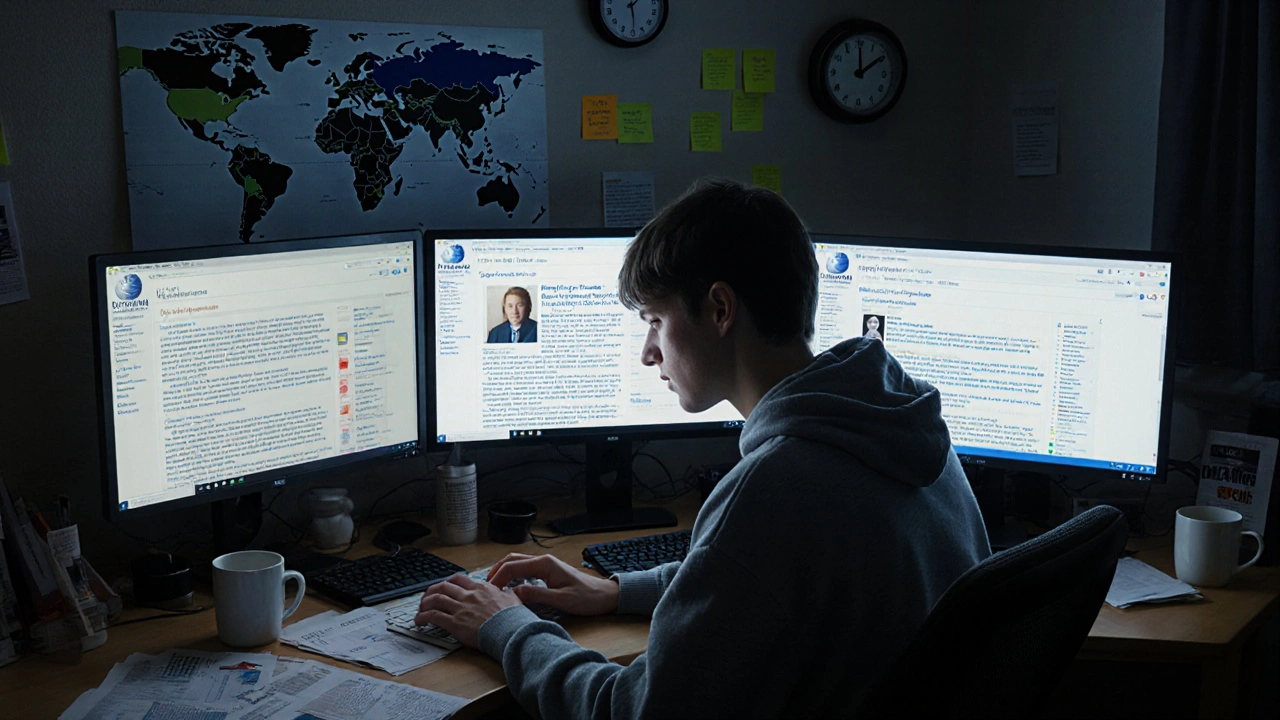
How Wikipedia Editors Behave During Major Events
Wikipedia editors rush to update articles during major events, driven by strict sourcing rules and community norms. Their behavior reveals who contributes, why, and how global knowledge stays accurate in real time.