Wikipedia banners: How fundraising and policy messages are approved and controlled
When you see a quiet banner at the top of Wikipedia asking for a donation or explaining a policy change, that’s not random—it’s CentralNotice, a system used by the Wikimedia Foundation to display targeted messages across Wikipedia sites. Also known as Wikipedia banner system, it’s the only way Wikipedia reaches millions of readers with fundraising appeals, safety alerts, or community updates—without ads, pop-ups, or tracking. Unlike any other website, Wikipedia doesn’t sell your attention. It relies on trust, and CentralNotice exists to protect that trust.
Every banner goes through strict review. The Wikimedia Foundation doesn’t just slap up a message and call it done. Proposals are submitted, reviewed by volunteers, and checked for neutrality, clarity, and compliance with Wikipedia’s core policies. Commercial content? Never allowed. Political messaging? Blocked. Even fundraising banners must avoid emotional manipulation—they can’t say "Donate or Wikipedia dies." Instead, they focus on facts: "Wikipedia is free because people like you give." The system is designed so that even if you’re reading Wikipedia in Swahili, Mandarin, or Portuguese, the message stays fair, consistent, and transparent.
Behind CentralNotice are clear rules, not algorithms. A small team of trusted volunteers and staff manage the queue, but decisions are public. You can see every banner request, who approved it, and why. This openness matters because Wikipedia’s credibility depends on it. If readers thought banners were being bought by corporations or pushed by lobbyists, trust would collapse. That’s why even well-meaning campaigns—like those promoting Wikipedia education or digital rights—must pass the same strict filters as donation requests. It’s not about limiting messages; it’s about protecting the platform from becoming anything other than what it is: a free, neutral, community-run encyclopedia.
What you’ll find in the posts below are real stories about how these banners work—from how they’re designed to how they affect editor behavior, how they’re tied to fundraising results, and how the community pushes back when something feels off. You’ll see how banners aren’t just ads, but a core part of Wikipedia’s governance, its funding model, and its relationship with the public. This isn’t about tech—it’s about values. And the system holding it together is more careful than you think.
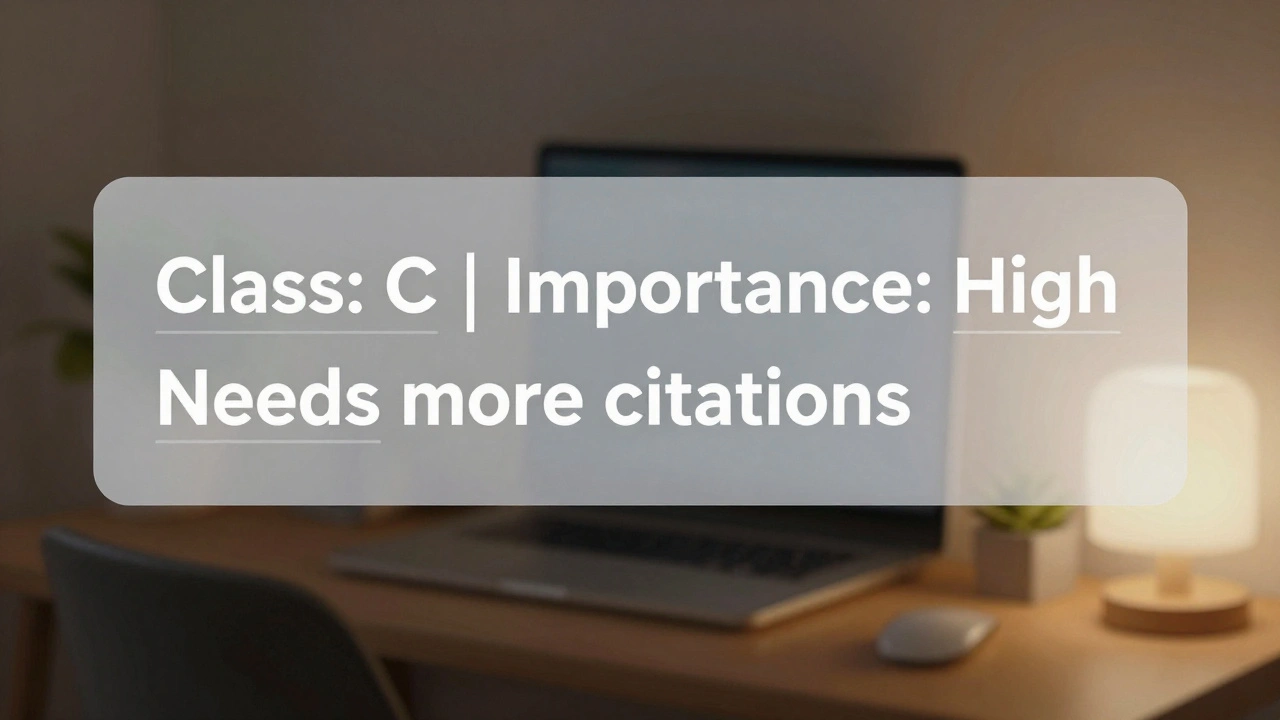
WikiProject Tools: How to Use Banners, Assessment, and Worklists on Wikipedia
Learn how Wikipedia's WikiProject tools-banners, article assessments, and worklists-help volunteers maintain quality across millions of articles. Simple steps to start contributing today.