Wikipedia copyvio: What it is, how it’s caught, and why it matters
When you see Wikipedia copyvio, a copyright violation on Wikipedia where text is copied from another source without permission or proper credit. Also known as plagiarism, it’s one of the most serious offenses on the site—because Wikipedia isn’t just about getting facts right, it’s about respecting how those facts were originally created. Unlike a typo or a missing citation, copyvio isn’t an accident. It’s a breach of trust. If someone pastes a paragraph from a news article, blog, or book into a Wikipedia page without attribution, that’s not contribution—it’s theft. And Wikipedia’s community doesn’t tolerate it.
Copyvio isn’t just about legal risk. It’s about integrity. Wikipedia’s whole model depends on content being written in the editor’s own words, based on reliable sources—not copied and pasted. The platform uses automated tools like Copyvio bots, automated systems that scan new edits against external websites to find matching text to flag potential violations within minutes. These bots don’t decide guilt—they raise red flags. Then human editors step in. They check the source, compare wording, and decide: Is this a direct lift? Is there a fair use exception? Or is it just similar phrasing? If it’s copyvio, the edit gets reverted, the page is cleaned, and repeat offenders can get blocked. It’s not about punishment—it’s about protecting the platform’s credibility.
What makes this even trickier is that copyvio doesn’t always look obvious. Sometimes it’s a rewritten paragraph that still follows the original structure too closely. Other times, it’s a whole section lifted from a Wikipedia article that was itself copied elsewhere. That’s why editors also rely on sourcing standards, the requirement that all claims be backed by published, reliable sources that can be independently verified. If you can’t trace a sentence back to a source that’s allowed to be quoted, it doesn’t belong on Wikipedia. And if you’re quoting something, you have to do it right—using quotation marks and citing the original. No shortcuts.
Wikipedia’s stance on copyvio isn’t just policy—it’s philosophy. The site was built so anyone could edit, but only if they added something new, not just reused what already existed. That’s why tools like TemplateWizard, a helper that guides users through creating properly formatted citations and templates exist: to make it easier to do things right, not to let people slip in stolen content. And when editors see copyvio, they don’t just fix it—they teach others how to avoid it. That’s the real power of Wikipedia: a community that polices itself not out of control, but out of care for the truth.
So if you’re editing Wikipedia, remember: don’t copy. Don’t paraphrase too closely. Don’t assume it’s fine because you found it online. If you didn’t write it, and you didn’t get permission, and you can’t cite it properly—it doesn’t belong here. The system catches more than you think. And the community remembers. The next time you’re tempted to paste that perfect paragraph from a website, ask yourself: would you want someone to do that to your work? If the answer’s no, don’t do it to theirs.
Below, you’ll find real examples of how Wikipedia handles copyvio, what tools help catch it, and how everyday editors keep the encyclopedia clean without relying on bots alone.
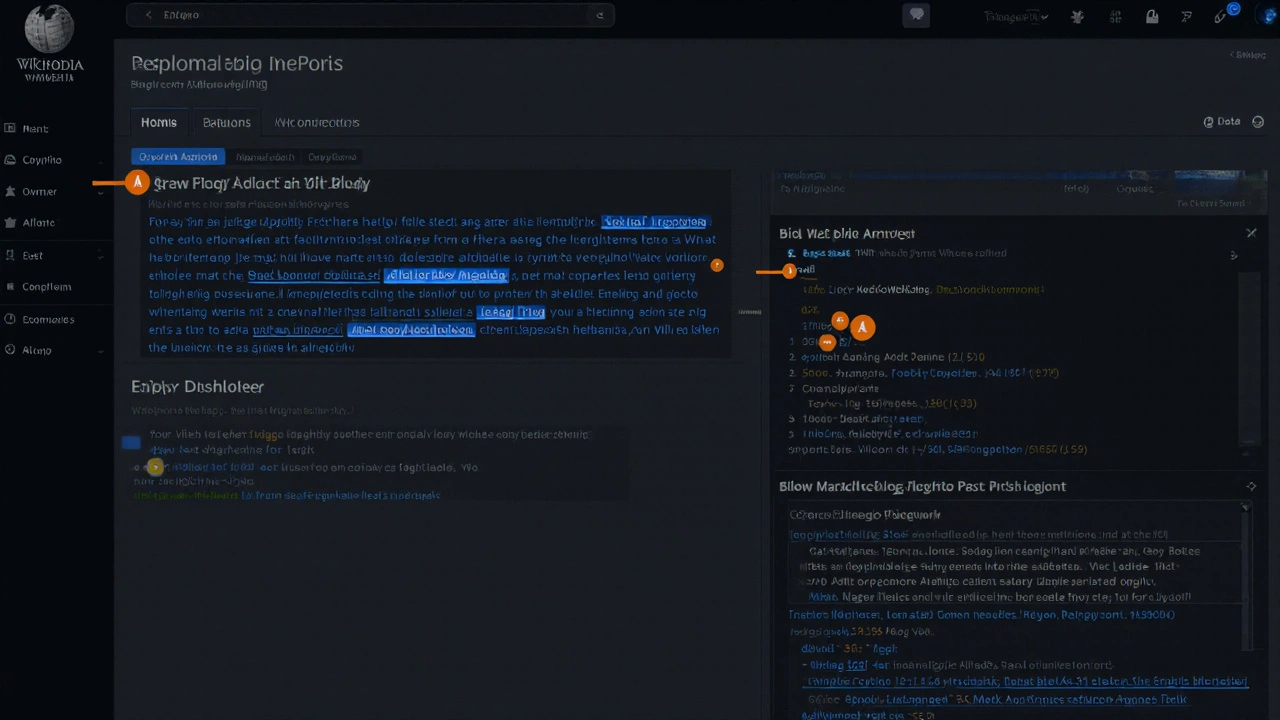
Copyvio Detection on Wikipedia: Tools, Takedowns, and Rewrites
Learn how Wikipedia detects and handles copied content, the tools used to find violations, how to rewrite flagged text, and how to avoid copyright issues when editing.