Wikipedia editorial model: How community rules shape reliable knowledge
At the heart of Wikipedia is something you won’t find in any traditional encyclopedia: a living Wikipedia editorial model, a decentralized system where volunteer editors follow shared policies to build and verify knowledge. Also known as collaborative knowledge curation, it’s not run by editors-in-chief or fact-checking teams—it’s powered by thousands of people who show up daily to fix errors, debate sources, and defend neutrality. This isn’t chaos. It’s a carefully designed process where every edit is visible, every claim must be backed by a reliable source, and every dispute gets hashed out in public.
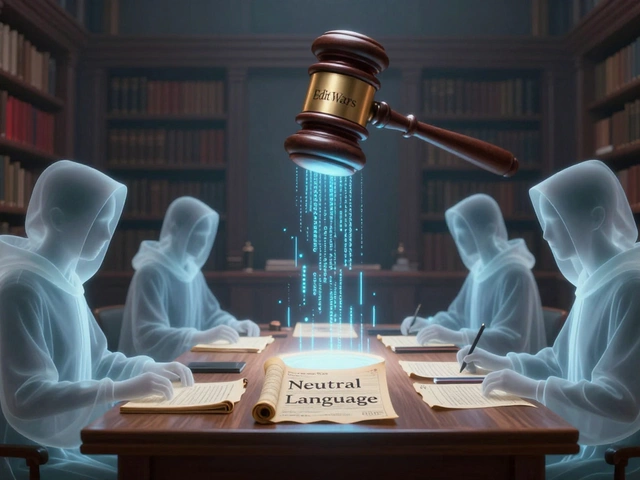
The real magic happens in the background. Wikipedia talk pages, the hidden discussion forums where editors argue over wording, sources, and bias before an article is even published. Also known as article discussion pages, they’re where most of the real work gets done—far from the polished final article you see. These aren’t just comments; they’re legal-style briefs where editors cite policies, link to sources, and challenge each other’s claims. And when two editors clash over a change? The edit conflict resolution, a built-in system that forces manual merging of competing edits to prevent silent overwrites. Also known as edit merging, it turns disagreements into opportunities for better content. There’s no auto-approve button. No algorithm decides what stays. It’s humans, reviewing each other’s work, using clear rules like reliable sources, the standard that demands published, verifiable material from reputable outlets—not blogs, press releases, or personal websites. Also known as verifiability policy, it’s the bedrock of everything Wikipedia publishes. That’s why a news correction in The New York Times can trigger a chain reaction across hundreds of Wikipedia articles. That’s why a student editing for class has to follow the same rules as a retired professor. And that’s why Wikipedia’s most trusted articles aren’t the ones with the most edits—they’re the ones with the most thoughtful debate.
What you’ll find below isn’t a list of how-tos or beginner guides. It’s a deep dive into the machinery behind Wikipedia’s reliability. From how edit filters block vandalism on breaking news pages, to how Wikidata keeps facts consistent across 300+ language versions, to how mentorship programs help new editors survive the learning curve—you’ll see how this system actually holds up under pressure. No fluff. No hype. Just the real tools, policies, and human behaviors that make Wikipedia work.

Why Wikipedia Avoids Top-Down Editorial Control Despite Global Scale
Wikipedia thrives without top-down control by relying on community norms, transparent processes, and open collaboration. Millions of edits daily are guided by policy, not authority - making it one of the most resilient knowledge systems ever built.