Wikipedia editorial standards: How community rules keep knowledge accurate and fair
When you read a Wikipedia article, you’re not seeing the final word—you’re seeing the result of Wikipedia editorial standards, a set of community-driven rules that guide how information is added, verified, and corrected. Also known as Wikipedia policies, these aren’t laws written by a board—they’re living guidelines shaped by millions of edits, debates, and revisions. Unlike traditional encyclopedias, Wikipedia doesn’t rely on a small group of experts. Instead, it uses open collaboration, transparency, and repeated scrutiny to catch errors and reduce bias. This system works because every change is visible, every argument is archived, and every rule can be challenged.
These standards rely on three core tools: reliable sources, published materials with editorial oversight that can be used to verify claims. Also known as verifiable references, they’re the bedrock of every article. Then there’s talk pages, the hidden discussion boards where editors debate wording, resolve disputes, and negotiate neutrality before an article is even published. Also known as article talk sections, they’re where most of the real work happens. And finally, conflict of interest, a policy that prevents people from editing articles where they have a personal, financial, or professional stake. Also known as COI editing, it stops PR, self-promotion, and biased updates from slipping in. Together, these elements create a system that’s messy, slow, and deeply human—but also incredibly resilient.
That’s why Wikipedia can correct a false claim about a celebrity’s death in minutes, or update a scientific fact days after a journal retracts a paper. It’s why academics can’t just rewrite their own Wikipedia pages to sound better, and why a student’s classroom edit gets reviewed by strangers before it goes live. These standards don’t guarantee perfection—but they make Wikipedia the most transparent reference tool on the planet. Below, you’ll find real examples of how these rules play out: from how news corrections ripple through thousands of articles, to how editors fight vandalism on breaking news pages, to how oral traditions get excluded—not because of malice, but because of the system’s rigid reliance on written proof. This isn’t about rules for rules’ sake. It’s about building trust, one edit at a time.
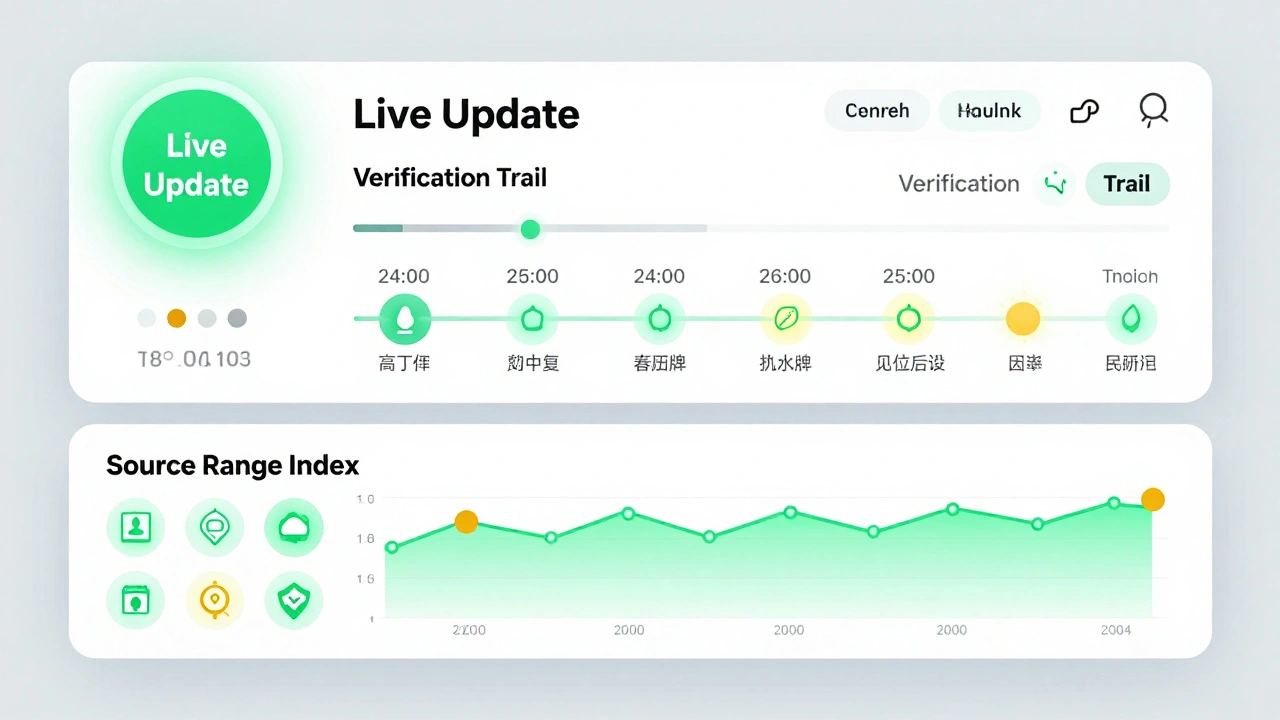
Improving Quality Assessment on Wikipedia News
Wikipedia's news articles need better quality checks that track timeliness, source diversity, and context-not just citations. New metrics are being tested to make news coverage more accurate and trustworthy.

How Wikidata Policies Interact with Wikipedia Editorial Standards
Wikidata and Wikipedia share data but follow different rules. Wikidata prioritizes machine-readable consistency; Wikipedia demands human-verified sources. When they clash, editors must navigate conflicting standards to keep information accurate and trustworthy.