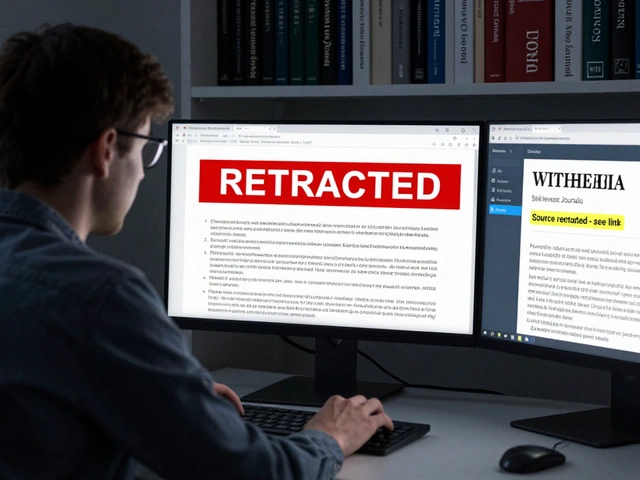
Wikipedia Education Program: How Classrooms Use Wikipedia to Teach Critical Thinking
When students write for Wikipedia education program, a global initiative that integrates Wikipedia editing into academic curricula to teach research, writing, and digital literacy. Also known as Wikipedia in the classroom, it turns students from passive readers into active contributors who learn how knowledge is built, checked, and improved by real people. This isn’t about copying and pasting—it’s about learning how to find reliable sources, write clearly for strangers, and understand why accuracy matters.
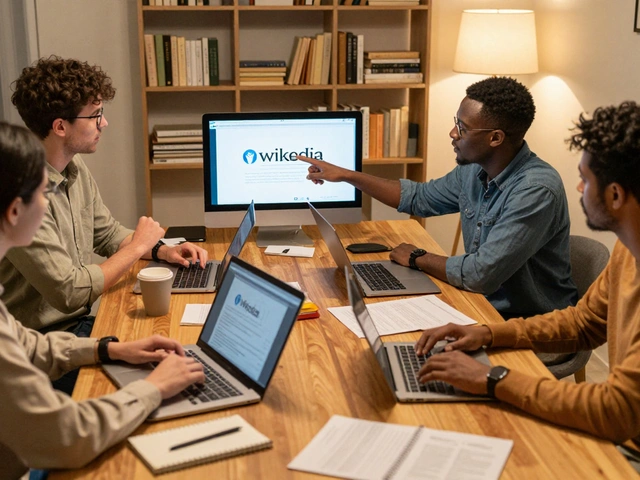
The Wikipedia education program, a global initiative that integrates Wikipedia editing into academic curricula to teach research, writing, and digital literacy. Also known as Wikipedia in the classroom, it turns students from passive readers into active contributors who learn how knowledge is built, checked, and improved by real people. isn’t just for college students. High school teachers in rural towns, university professors in Nairobi, and even online homeschoolers use it to teach students how to spot fake news, cite properly, and write with a neutral tone. The program works because it’s hands-on: students don’t just read about citation standards—they live them. They fix broken links, add missing citations, and sometimes even create entire articles on local history or underrepresented scientists. Their edits get reviewed by real Wikipedia editors, which means their work has real consequences.
Tools like the Wikipedia Library, a free resource that gives students and educators access to paywalled academic journals and historical archives. Also known as Wikipedia Library access, it helps students find credible sources without paying for subscriptions. make it easier to back up claims with real evidence. And when students learn to use the The Signpost, Wikipedia’s volunteer-run news site that tracks editor trends, policy changes, and community debates. Also known as Wikipedia newsletter, it keeps educators informed about how the platform evolves., they see how a global community governs itself—not by top-down rules, but by discussion, consensus, and shared values.
There’s no magic formula. It’s simple: when students know their writing will be read by thousands, they care more. They slow down. They check facts. They argue over word choices. And when their edits stick—when their version of a history article becomes the one others use—that’s when learning clicks. The Wikipedia education program doesn’t just teach how to write. It teaches how to think, how to question, and how to contribute to something bigger than yourself.
Below, you’ll find real stories, tools, and insights from educators, students, and Wikipedia volunteers who’ve made this work. From fixing geographic bias in articles to training teachers in low-resource schools, these posts show what’s possible when classrooms meet open knowledge.
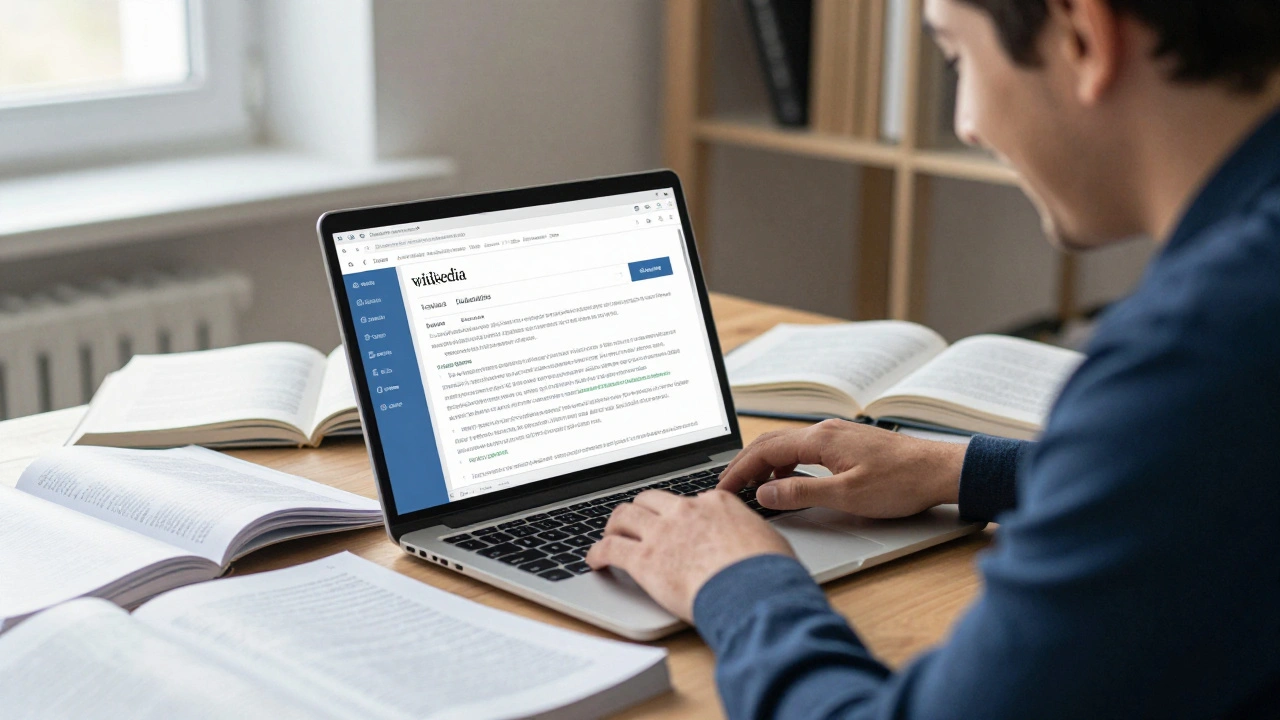
Wikipedia Education Program for Teachers and Professors
The Wikipedia Education Program helps teachers and professors turn student research into real public knowledge. Students improve Wikipedia articles with academic sources, gaining critical skills while contributing to a global resource used by millions.