Wikipedia news box: How Wikipedia tracks, filters, and shares breaking updates
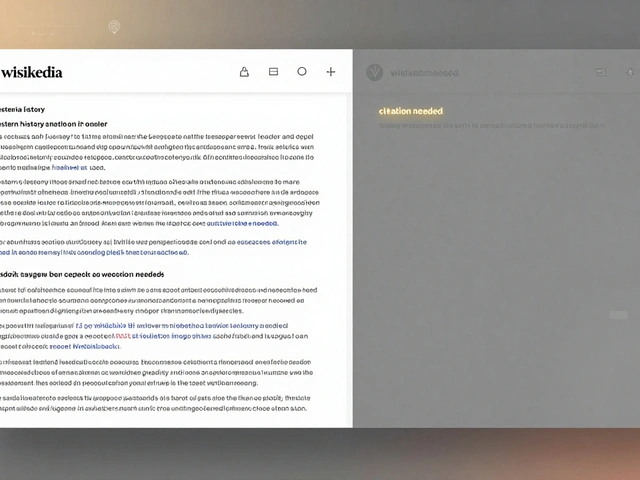
When a major event breaks—like a political resignation, a natural disaster, or a celebrity death—Wikipedia news box, a system of automated alerts and moderation tools used to manage high-traffic, high-risk articles. Also known as edit filtering systems, it acts as the first line of defense against misinformation on Wikipedia’s most watched pages. This isn’t just a feature—it’s the backbone of Wikipedia’s ability to stay accurate while under constant attack from bots, trolls, and accidental errors.
The Wikipedia edit filters, automated rules that detect and block suspicious edits based on patterns like spam, vandalism, or biased language. work silently in the background, catching 90% of bad edits before they go live. For breaking news articles, these filters trigger pending changes, a review system where edits from new or untrusted users must be approved by experienced editors before appearing. Think of it like a newsroom’s fact-check desk, but open to anyone with a Wikipedia account. It’s not perfect, but it’s transparent: every edit, rejection, and approval is logged and visible. Editors use tools like Huggle, a real-time vandalism detection tool that helps volunteers revert malicious changes in seconds. to handle the flood. And when a story goes viral—like during a film release or global election—these systems scale up, with volunteer moderators working in shifts to keep content reliable.
What makes this system work isn’t tech alone—it’s people. Hundreds of editors volunteer to monitor high-risk articles, learning how to spot biased language, fake sources, or manipulated data. They don’t get paid. They don’t get headlines. But their work keeps Wikipedia from turning into a rumor mill. You’ve probably read a Wikipedia article during a crisis and assumed it was always accurate. Chances are, it wasn’t—until someone stepped in.
Below, you’ll find real stories from the front lines: how edit filters stop misinformation before it spreads, how pending changes protect breaking news, and how volunteers manage chaos during global events. These aren’t theoretical policies—they’re daily routines that keep Wikipedia alive, honest, and useful.

Template:In the News: Wikipedia's Curated News Box Explained
Wikipedia's 'In the News' box is a human-curated, fact-checked snapshot of major global events, updated daily by volunteers who prioritize accuracy over speed. It's one of the most reliable quick-reference news tools online.