Wikipedia News Policy: How Editorial Rules Shape Reliable Reporting
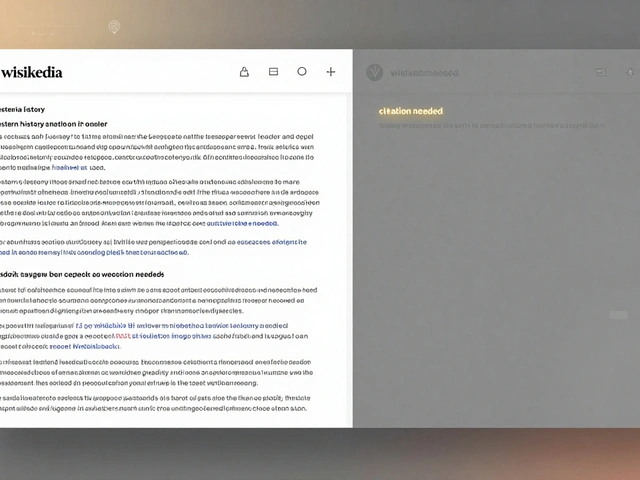
When you read a breaking news story on Wikipedia, it’s not just a page—it’s the result of Wikipedia news policy, a set of community-driven rules that govern how current events are reported, verified, and updated in real time. This isn’t about rigid control—it’s about building trust through transparency, source checks, and open debate. Unlike traditional newsrooms, Wikipedia doesn’t have editors assigning stories. Instead, thousands of volunteers follow clear guidelines to decide what’s worth covering, how to cite it, and when to update it. The edit filters, automated tools that flag suspicious edits to high-risk news articles before they go live are one of the first lines of defense. They block spam, vandalism, and unverified claims before they even appear. But the real power comes from human judgment: talk pages where editors argue over wording, pending changes that hold edits for review, and the strict rule that every claim must tie back to a reliable, published source.
These rules exist because Wikipedia’s news coverage is watched by millions—and abused by bad actors. A single false headline can spread faster than the truth. That’s why reliable sources, official reports, major news outlets, peer-reviewed journals, and verified institutional statements are non-negotiable. You won’t find opinion pieces, blog posts, or social media threads cited as proof. Even when a story breaks on Twitter, Wikipedia waits for confirmation from a trusted outlet. And when major news organizations issue corrections, Wikipedia doesn’t ignore them—it updates its articles within hours. This isn’t just policy—it’s a feedback loop between public knowledge and professional journalism. The Wikipedia editorial standards, the unwritten norms that guide how articles are structured, balanced, and neutral ensure that even controversial topics are covered fairly, with multiple perspectives and clear attribution. These standards don’t come from a boardroom. They’re shaped by years of debate, conflict, and compromise among editors who care more about accuracy than ego.
What you’ll find in the articles below isn’t just a list of posts—it’s a behind-the-scenes look at how Wikipedia stays accurate under pressure. From how edit filters stop misinformation before it spreads, to how journalists and academics learn to contribute ethically, to how pageviews reveal what the public is really searching for during crises—every story here shows the system working. You’ll see how talk pages quietly shape headlines, how Wikinews publishes live updates without ads or paywalls, and why some stories get locked down while others stay open for edits. This is the real engine behind Wikipedia’s credibility. No corporate owner. No algorithm pushing clicks. Just people following rules designed to make truth harder to ignore.

Template:In the News: Wikipedia's Curated News Box Explained
Wikipedia's 'In the News' box is a human-curated, fact-checked snapshot of major global events, updated daily by volunteers who prioritize accuracy over speed. It's one of the most reliable quick-reference news tools online.