Wikipedia outages: What causes them and how the community keeps the site running
When Wikipedia outages, unexpected disruptions to access the free encyclopedia. Also known as Wikipedia downtime, these events are rare but deeply noticed because so many people rely on Wikipedia as a first source of truth. Unlike commercial sites that prioritize profit or engagement, Wikipedia runs on a fragile mix of volunteer effort, donated servers, and open-source software. A single hardware failure, a misconfigured update, or even a global network glitch can knock it offline—even if only for minutes. That’s why every outage matters.
Most Wikipedia outages, unexpected disruptions to access the free encyclopedia. Also known as Wikipedia downtime, these events are rare but deeply noticed because so many people rely on Wikipedia as a first source of truth. aren’t caused by hackers or traffic spikes. They’re usually tied to Wikimedia infrastructure, the network of servers, data centers, and software systems that power Wikipedia and other Wikimedia projects. The Wikimedia Foundation runs a distributed system across multiple continents, with backups and fail-safes built in. But even the best systems can trip over themselves during major software updates, DNS changes, or when a data center loses power. Sometimes, it’s just a single faulty router in Amsterdam or Virginia that slows down half the world. Volunteers monitor these systems 24/7 using custom dashboards, and engineers roll back changes faster than most companies can schedule a meeting.
What makes Wikipedia different isn’t just that it’s free—it’s that its reliability comes from people, not just code. When an outage hits, editors don’t just wait. They check the Wikimedia Status page (which itself runs on separate infrastructure), report issues on IRC channels, and help spread accurate info on social media. The community knows that if Wikipedia goes dark, people lose access to vital information—during elections, disasters, or public health crises. That’s why even a five-minute outage feels like a crisis. And it’s why the system keeps getting better: each outage becomes a lesson, not just a footnote.
Behind every moment Wikipedia stays up, there’s a team of engineers, sysadmins, and volunteers working quietly to prevent the next one. You won’t hear about their work until something breaks. But when it does, you’ll see how deeply this project is rooted in real human responsibility—not just technology.
Below, you’ll find a collection of articles that dig into how Wikipedia’s systems work, how they’re maintained, and what happens when things go wrong—whether it’s a bot glitch, a server crash, or a global network hiccup. These aren’t just technical deep dives. They’re stories about how a global knowledge project survives, one fix at a time.
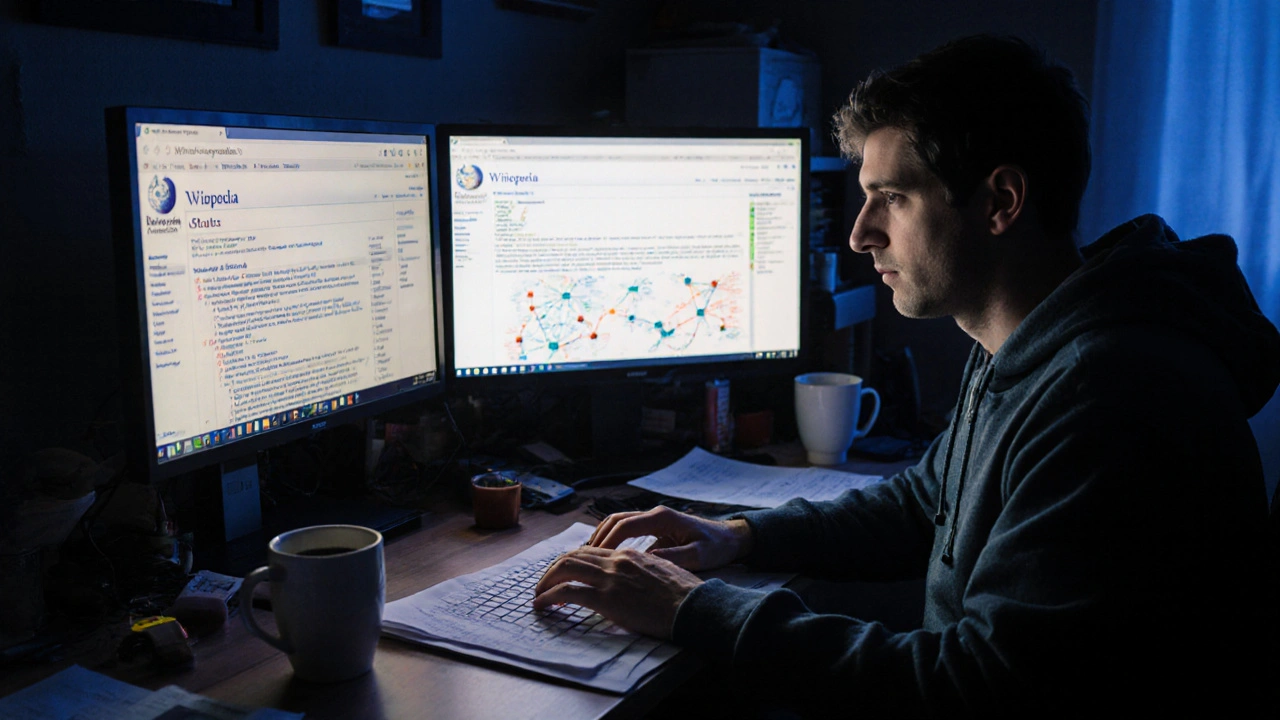
How The Signpost Handles Crisis Reporting During Wikipedia Outages
The Signpost is Wikipedia's volunteer-run newspaper that provides real-time, transparent updates during outages-keeping the community informed, calm, and connected when the site goes down.