Wikipedia vandalism prevention: Tools, tactics, and how the community stops edit abuse
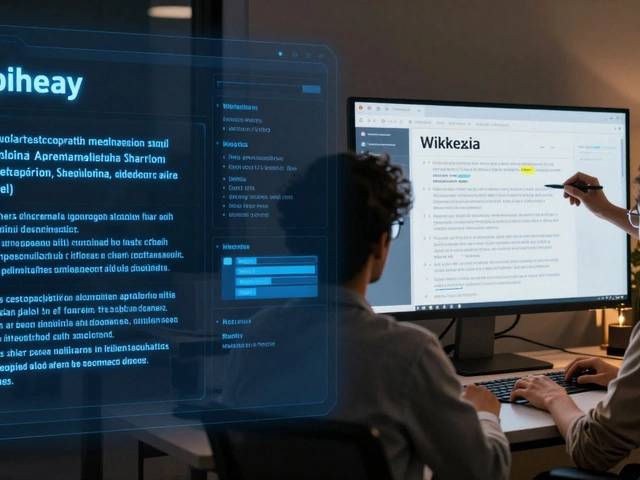
When you think of Wikipedia, you picture reliable facts—but behind every clean article is a quiet war against vandalism, malicious or disruptive edits meant to break or distort Wikipedia content. Also known as edit abuse, it ranges from random nonsense like "Kilroy was here" to coordinated lies pushing political agendas. Without active prevention, Wikipedia wouldn’t be trustworthy—and it doesn’t run on luck. It runs on systems, people, and tools working in sync.
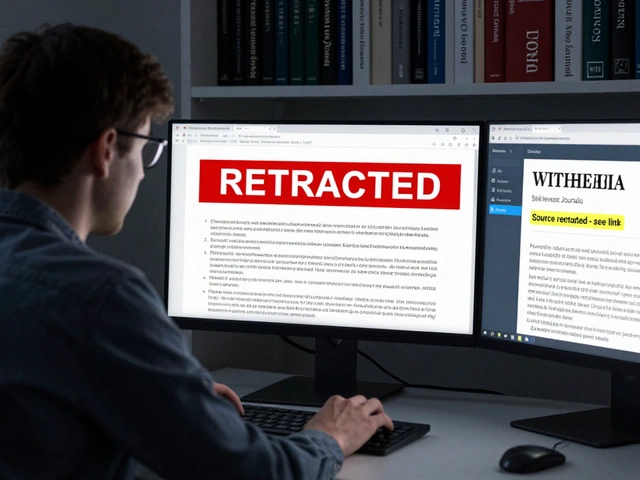
At the heart of this defense are Wikipedia bots, automated programs that detect and reverse obvious vandalism in seconds. These bots don’t make judgment calls—they spot patterns: repeated spam links, all-caps text, or the sudden deletion of entire sections. One bot reverts over 10,000 edits a day. But bots aren’t enough. Real people step in when the damage is subtle: fake citations, biased phrasing, or sockpuppet accounts pretending to be multiple users. That’s where sockpuppetry, the use of fake accounts to manipulate discussions or push a hidden agenda. Also known as coordinated editing fraud, it’s one of the hardest forms of vandalism to catch—and one of the most damaging to trust. When these accounts are exposed, they’re not just blocked—they’re traced back to their real-world origins, sometimes revealing state-backed operations or corporate PR campaigns.
Then there are the edit wars, ongoing battles over controversial topics where opposing sides repeatedly overwrite each other’s changes. These aren’t always vandalism—but they often start that way. A single biased edit on a geopolitical topic can trigger a chain reaction of reversions, requiring administrators to lock pages or bring in mediators. That’s why tools like Copyvio Detection, systems that scan for copied content from websites or books. Also known as plagiarism scanners, they help keep Wikipedia original and legally clean. are so vital. You can’t stop bad edits if you can’t spot them fast.
And it’s not just about fixing mistakes. Prevention means making it harder for bad edits to happen in the first place. That’s why tools like TemplateWizard reduce errors by guiding new editors through forms instead of raw code. That’s why mobile editing is being simplified—so people who want to fix a typo on their phone don’t get scared off by complicated syntax. That’s why talk pages and signposts help communities spot problems before they go viral.
This isn’t some abstract system. It’s real people, every day, watching for lies. It’s volunteers in India catching propaganda edits about Kashmir. It’s students in Brazil correcting false claims about local history. It’s retired librarians in Canada checking citations on medical articles. And it’s bots working nonstop, silently, while you sleep.
What you’ll find below isn’t just a list of articles. It’s a map of the entire defense system—how it works, who runs it, and how you can help keep Wikipedia honest.

How Wikipedia Stops Spam: Inside Its Detection and Filtering Systems
Wikipedia stops millions of spam edits daily using automated bots, pattern detection, and volunteer editors. Learn how its layered system keeps the encyclopedia clean and reliable.