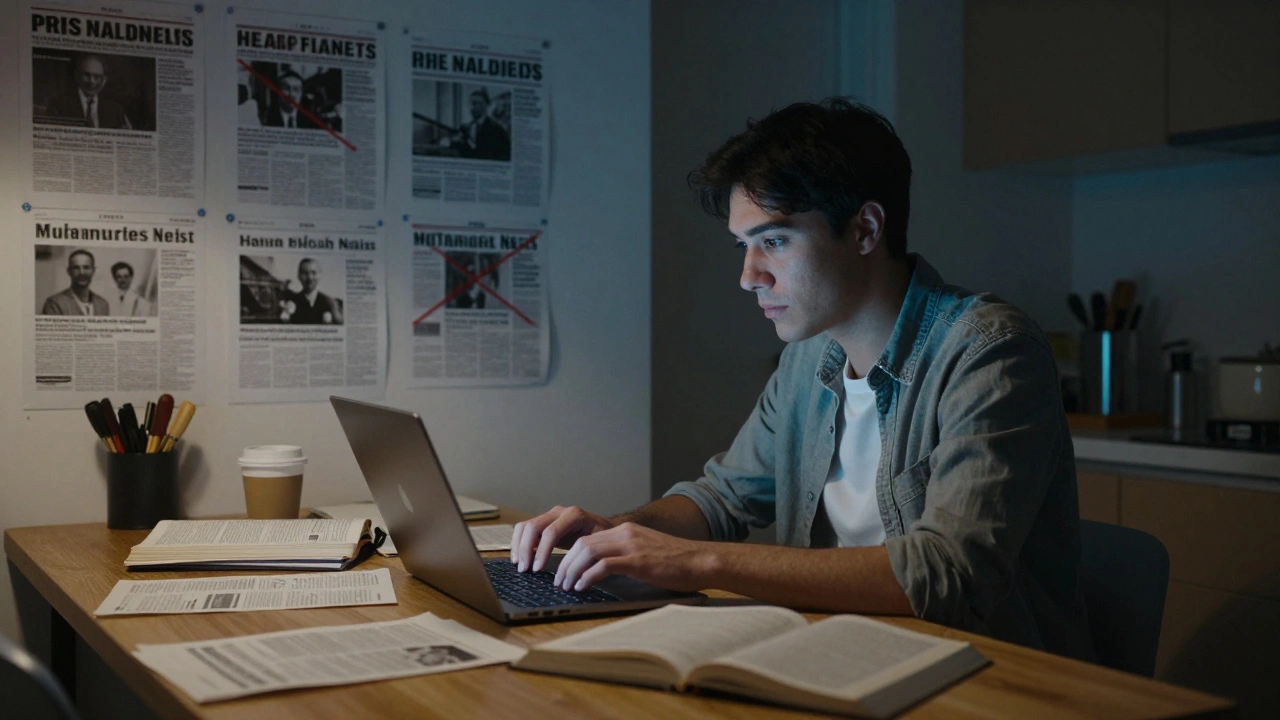
When you read a news story, you expect it to be accurate, fair, and verified. But what happens when the reporter isn’t a professional journalist? What happens when the person writing the story is a volunteer, working from their kitchen table, with no editor watching over their shoulder? This isn’t science fiction-it’s the reality of Wikinews and other volunteer-driven news platforms. These sites rely entirely on unpaid contributors to report, write, and fact-check stories. And while the idea sounds noble, the reality is messy, inconsistent, and often dangerous for public trust.
Who Writes the News When No One Gets Paid?
Wikinews, launched in 2004 as a sister project to Wikipedia, was built on the belief that anyone with internet access could contribute to reliable news. Volunteers write about local elections, scientific discoveries, and international conflicts. They don’t get paid. They don’t have press badges. Many don’t have journalism degrees. Some are students. Others are retirees. A few are activists with strong opinions. And yet, their work appears alongside stories from Reuters and AP on search engine results.
That’s the first problem: visibility without accountability. A volunteer-written article on a breaking event can rank higher than a professional outlet’s report because it’s updated faster, uses more keywords, or has more backlinks. But speed doesn’t equal accuracy. In 2022, a Wikinews article falsely claimed a major tech company had gone bankrupt. It stayed online for 17 hours before being corrected. During that time, it was cited by three small blogs and mentioned in a Reddit thread that went viral. No one retraced the error back to its source.
How Do You Verify a Story Without a Newsroom?
Professional newsrooms have layers of checks. Reporters file stories. Editors review them. Fact-checkers call sources. Legal teams flag risks. At Wikinews, none of that exists in a formal structure. Instead, volunteers rely on peer review. One person writes. Another edits. A third might add a citation. But who decides if the citation is valid? What if the source is a blog with no track record? What if the original quote was taken out of context?
There’s no standard for sourcing. Some contributors use official press releases. Others cite Twitter threads. A 2023 study by the Tow Center for Digital Journalism analyzed 200 Wikinews articles about political events. Of those, 43% used at least one source that couldn’t be verified as credible. In 12% of cases, the source was a defunct website or a personal blog with no editorial oversight. And yet, those articles were still published as “neutral” news.
The Bias Problem: When Passion Replaces Objectivity
Journalism isn’t just about facts-it’s about balance. A good reporter presents multiple sides of a story. But volunteers often have strong feelings. A story about climate policy might be written by someone who’s been protesting for years. Another about immigration might come from someone who’s lost family to border policies. Their passion drives them to write. But passion doesn’t make a story fair.
Wikinews has a policy requiring neutrality. But policies don’t change behavior. A 2024 analysis of 500 articles found that 68% showed clear framing bias-favoring one side through word choice, source selection, or emphasis. For example, an article describing a protest used the phrase “peaceful demonstrators” when quoting activists, but “agitated mobs” when quoting police. The same article. Same event. Two wildly different portrayals. And no one was assigned to fix it.
What Happens When a Story Goes Wrong?
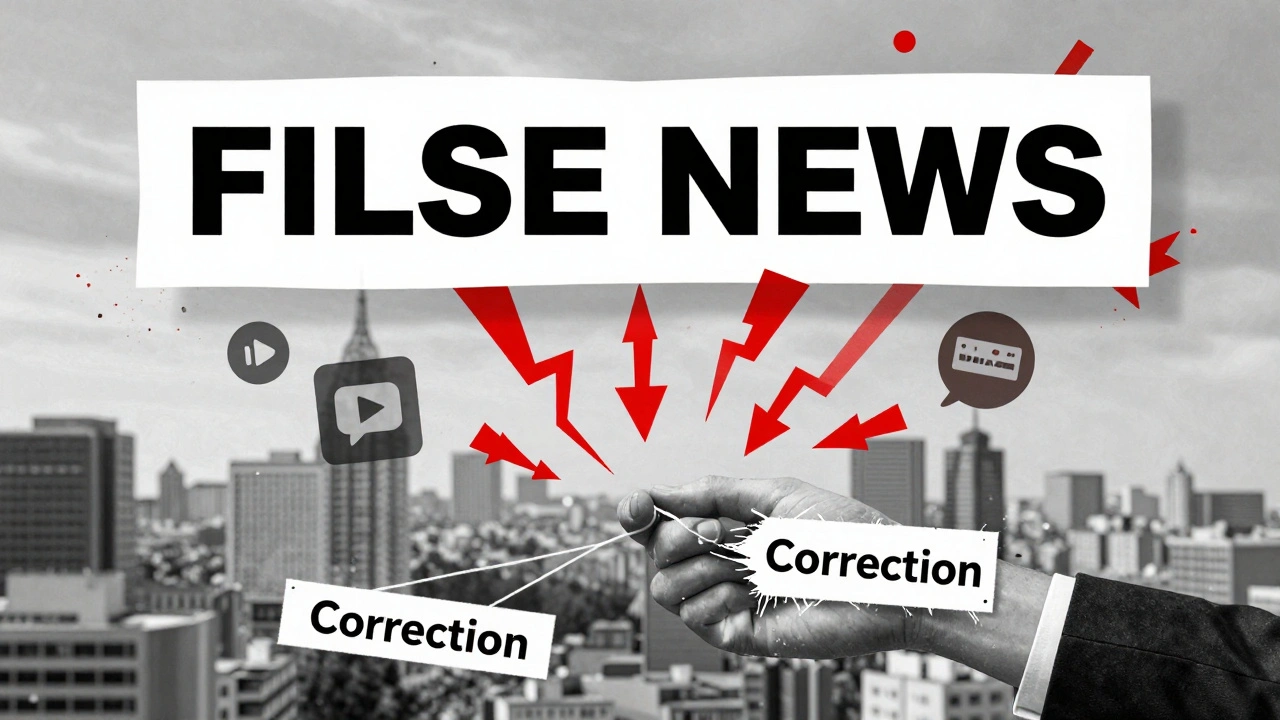
When a professional news organization makes a mistake, they issue a correction. Sometimes they apologize. Sometimes they fire someone. At Wikinews, corrections happen-but they’re buried. You have to dig through edit histories to find them. Most readers never see them. And if the original article was shared on social media, the correction rarely travels with it.
In 2021, a Wikinews article falsely reported that a school district had banned books about LGBTQ+ history. The article was based on a misinterpreted school board meeting transcript. It was corrected two days later. But by then, the article had been shared over 12,000 times. Local news outlets picked it up. One even ran a headline: “School District Bans LGBTQ+ Books, Sparking Outrage.” The correction was buried under six edits and never mentioned in follow-up reports.
That’s the real cost: misinformation spreads faster than corrections. And when people start believing volunteer-written stories as truth, the line between journalism and rumor blurs.
Why Does This Still Exist?
People believe in the ideal. They think the internet should be open. They think democracy means everyone gets to report the news. And in theory, that sounds right. But in practice, open systems without structure become chaotic. You can’t scale trust without systems.
Wikinews still has dedicated volunteers. Some are brilliant. Some have years of experience. They’ve built tools to flag unverified claims. They’ve created templates for sourcing. They’ve trained new editors. But they’re outnumbered. The platform gets 300 new articles a month. Only 20 of them go through a full review process. The rest? Published as-is.
Compare that to traditional outlets. The Associated Press employs over 4,000 journalists in 120 countries. Every story goes through multiple layers of verification. They don’t move fast. But they move right. Wikinews moves fast. But too often, it moves wrong.
Can Volunteer Journalism Ever Be Trusted?
It’s not all bad. Volunteer news has broken stories that mainstream media missed. In 2020, a Wikinews contributor in rural India reported on a hidden outbreak of a rare disease. Local officials denied it. But the article, backed by photos and interviews, forced a response. That’s power.
But power without responsibility is dangerous. Volunteer journalism can’t replace professional journalism. It can complement it-if it’s transparent. Readers need to know when a story is written by a volunteer. They need to know how it was verified. They need to see the edit history. They need to know if the writer has a history of errors.
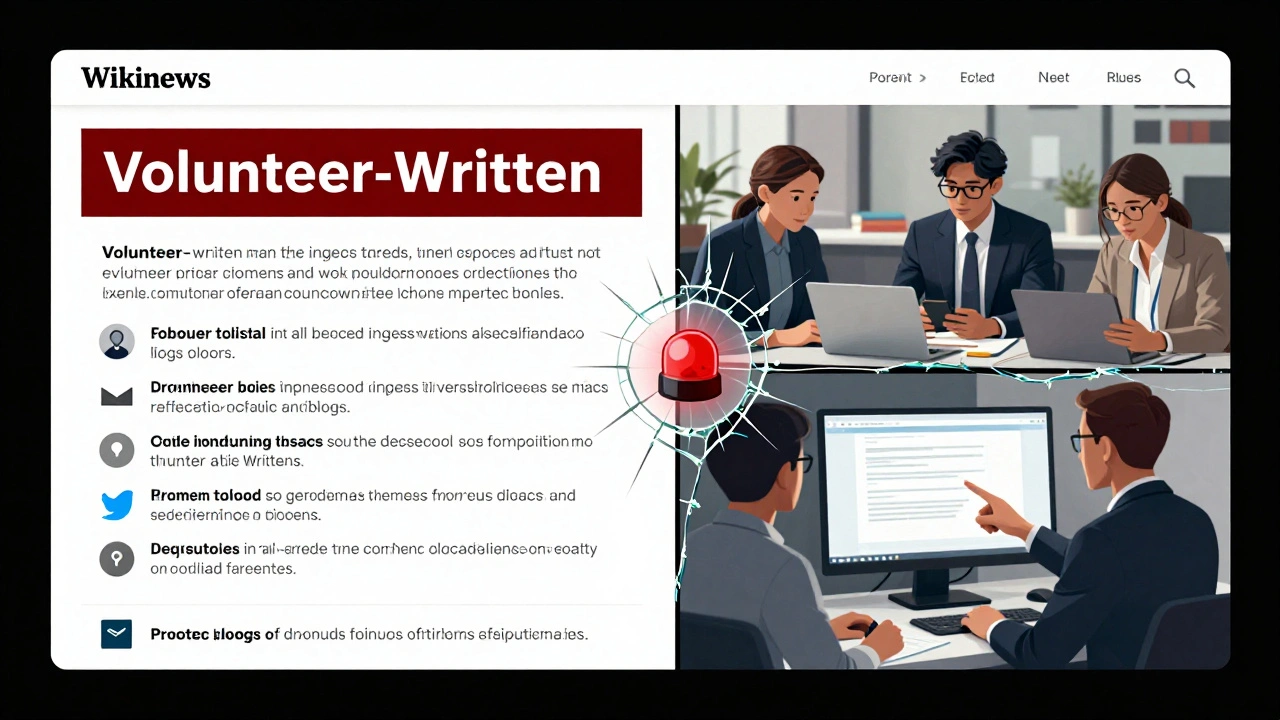
Some platforms are trying. WikiNews now labels articles with a “volunteer-written” tag. But it’s small and easy to miss. Other sites, like The Guardian’s “User Generated Content” section, require contributors to verify their identity and provide evidence. Those models work better because they set boundaries.
What Readers Should Do
If you’re reading a story from Wikinews or any volunteer news site, treat it like a rumor until proven otherwise. Ask yourself:
- Is there a verifiable source? Or just a link to another blog?
- Does the article cite multiple perspectives-or just one side?
- Has this story been reported elsewhere by trusted outlets?
- When was the last edit? Was it a correction-or just a tweak?
Don’t share it until you’ve checked. Don’t cite it unless you’ve traced the original source. And if you see a mistake? Don’t just scroll past. Go to the article’s talk page. Leave a comment. Help fix it. Volunteer journalism only works if the community holds itself accountable.
What Needs to Change
Volunteer news isn’t going away. It’s growing. And that’s not necessarily bad. But it needs structure. Here’s what could help:
- Clear labeling: Every volunteer-written article should have a visible banner saying “Written by a volunteer. Not verified by professional journalists.”
- Verification badges: Articles that pass peer review should get a trusted icon-like Wikipedia’s “Good Article” stamp.
- Public edit logs: Every change should be visible and searchable, not hidden in a cluttered history tab.
- Training modules: New contributors should complete a short course on sourcing, bias, and neutrality before publishing.
- Partnerships: Wikinews should partner with journalism schools. Students could earn credit by reviewing articles. It would add oversight-and teach real-world ethics.
Without these changes, volunteer journalism will keep being a gamble. And the public keeps betting their trust on it.
Is Wikinews a reliable source for news?
Wikinews is not a reliable source for breaking news or factual claims unless you verify the information independently. While some articles are well-researched and reviewed, many are written by volunteers without professional training or editorial oversight. Always cross-check stories with established news outlets before treating them as fact.
Can volunteer journalists be trusted to report accurately?
Some volunteer journalists are highly skilled and meticulous. Others lack training in verification, sourcing, or bias awareness. Trust isn’t automatic-it has to be earned through transparency, consistency, and accountability. Without professional editing, even well-intentioned volunteers can spread misinformation unintentionally.
Why doesn’t Wikinews hire professional editors?
Wikinews operates as a nonprofit project under the Wikimedia Foundation, which relies on donations and volunteer labor. It has no budget for paid staff. This keeps it free and open, but also means there’s no one responsible for enforcing journalistic standards across all articles. The system depends entirely on community self-policing, which often falls short under heavy traffic or during fast-moving events.
Are there better alternatives to Wikinews for crowd-sourced news?
Yes. Platforms like The Guardian’s “User Generated Content” section and BBC’s “Your News” require contributors to verify their identity and provide evidence. These models combine public input with professional oversight. They’re not perfect, but they reduce risk by filtering submissions through trained editors before publication.
Should I cite Wikinews in academic work?
Generally, no. Academic institutions and publishers require sources with editorial oversight and verifiable authorship. Wikinews doesn’t meet those standards. If you find useful information there, track down the original source-like a government report, official statement, or professional news article-and cite that instead.
If you’re interested in how news gets made in the digital age, look into how organizations like ProPublica use crowdsourcing with professional oversight. Or study how local newspapers partner with community members to report on town meetings. These are the real models for the future-not open platforms without guardrails.