Wikipedia isn’t just a collection of user-edited articles. Behind every well-sourced claim, every detailed biography, and every accurate timeline is a quiet but powerful engine: the Wikipedia Library. This isn’t a physical building you can visit. It’s a global network that gives volunteer editors access to paywalled academic journals, books, and databases - for free. If you’ve ever read a Wikipedia article that feels like it was written by a professor, chances are, the editor had help from the Wikipedia Library.
What the Wikipedia Library Actually Does
The Wikipedia Library connects volunteer editors with research tools they can’t normally afford. Most academic journals cost $30 to $50 per article. University libraries pay thousands per year for access. But Wikipedia editors? They’re often students, retirees, or professionals working in their spare time. They don’t have institutional login credentials. Without the Library, they’d be stuck with whatever’s free on Google Scholar or public domain archives - which leaves huge gaps in coverage.
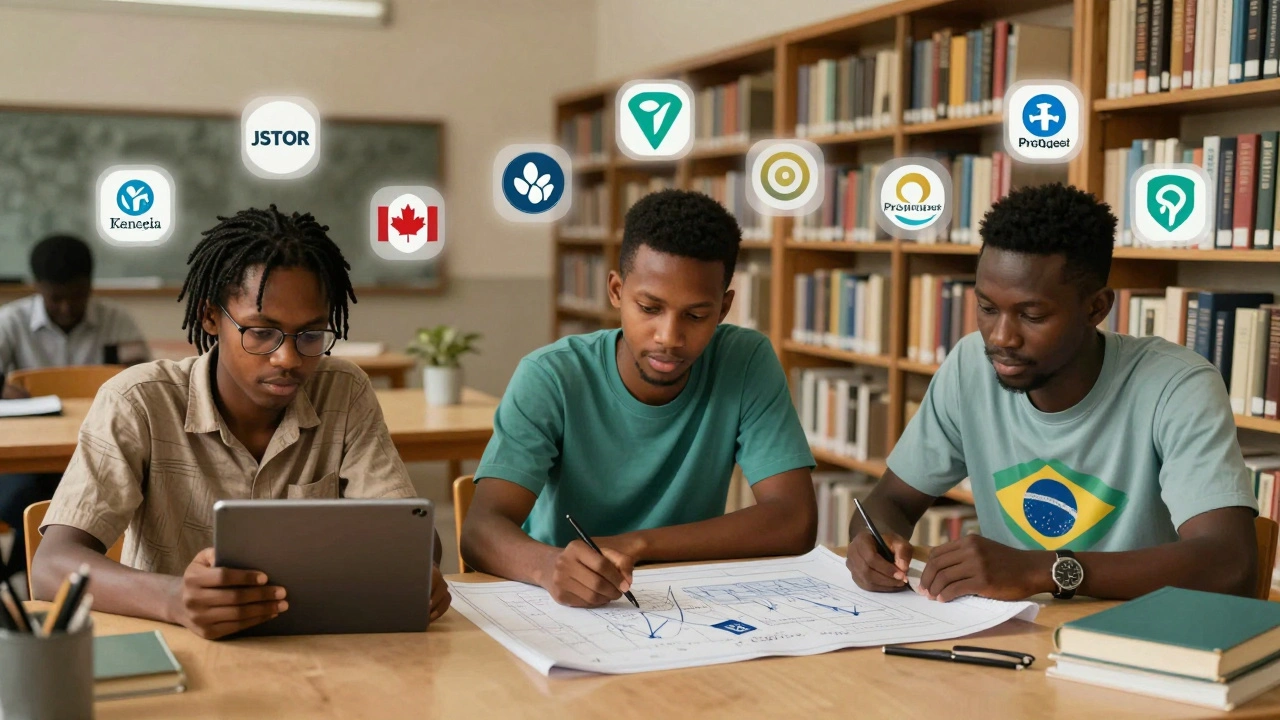
The Library solves this by partnering with publishers like JSTOR, Springer, Elsevier, ProQuest, and Cambridge University Press. These partners give the Library temporary access codes, digital loans, and full-text licenses. Editors can request access to specific articles or books. Once approved, they get a link that works for 30 to 90 days - enough time to read, cite, and improve Wikipedia.
It’s not about copying content. It’s about understanding context. A 2023 study by the Wikimedia Foundation found that articles edited by Library users had 42% more citations from peer-reviewed sources than those edited by non-users. That’s not just better formatting - it’s better knowledge.
Who Uses the Wikipedia Library?
You might assume it’s only academics or librarians. But the truth is, most users are everyday people with a passion for accuracy.
- A high school teacher in rural Kenya who wants to correct outdated information about colonial history
- A retired engineer in Canada who’s adding technical details to articles on renewable energy systems
- A university student in Brazil who’s expanding the Wikipedia page on indigenous languages using access to linguistic archives
These aren’t professionals paid to edit Wikipedia. They’re volunteers. And they’re the ones who keep the platform reliable. The Library doesn’t care if you have a PhD. It cares if you’re willing to learn, cite properly, and fix errors.
Over 100,000 editors have used the Library since it launched in 2014. Around 15,000 active users access it each month. That’s 15,000 people every month who are upgrading Wikipedia with real scholarship - not guesswork.
How It Works: Step by Step
Getting access is simple, but the process matters. Here’s how it actually works:
- Apply for an account at Wikipedia:Wikipedia Library. You need a registered Wikipedia account with at least 500 edits and 6 months of activity.
- Fill out a short form explaining why you need access. No essays needed - just say what topic you’re working on and which sources you need.
- Wait for approval. Most applications are reviewed within 48 hours.
- Once approved, you get access to a dashboard with dozens of partner databases.
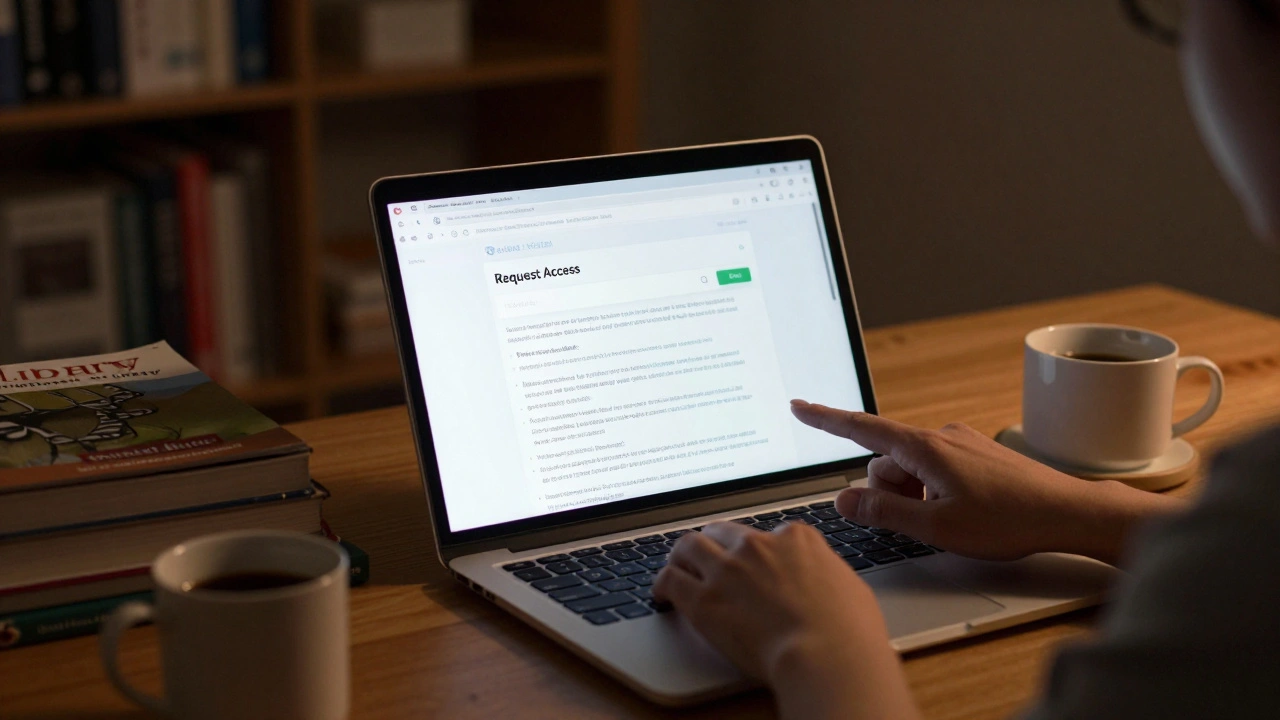
- Search for the article or book you need. Click “Request Access.”
- Receive a unique link. Use it to read, take notes, and cite in your Wikipedia edits.
Some resources are instantly available. Others require a waiting list because of limited licenses. But even with delays, the system works. One editor in India used the Library to access a 1987 paper on rice farming techniques. She added it to the Wikipedia page on sustainable agriculture. The article now ranks in the top 10 results for that search term in three countries.
Why This Matters for Education
Wikipedia is the fifth most visited website in the world. In the U.S., 75% of college students use it as a starting point for research. That means what’s on Wikipedia shapes how people learn.
But here’s the problem: many school assignments still tell students not to use Wikipedia. Why? Because too many articles are incomplete, outdated, or lack solid sources. The Wikipedia Library changes that. It turns Wikipedia from a “last resort” into a legitimate learning tool.
Universities like Stanford, MIT, and the University of Edinburgh now encourage students to edit Wikipedia as part of coursework. Why? Because editing with real sources teaches critical thinking, citation skills, and digital literacy better than any textbook.
One professor at the University of Wisconsin-Madison had her students use the Wikipedia Library to improve articles on public health topics. By the end of the semester, the class added over 300 new citations. Seven articles were flagged as “Good Articles” by Wikipedia’s review team. That’s not just a class project - it’s public knowledge being upgraded.
What You Can’t Get Through the Library
It’s not magic. The Library doesn’t give you everything. Some publishers still refuse to participate. Major medical journals like The New England Journal of Medicine and The Lancet aren’t available. Government documents and rare archives often require special requests.
Also, you can’t use the Library to download entire books and repost them. That’s copyright violation. The goal is to read, understand, and summarize - not copy.
And if you’re not an active editor? You can’t apply. The system is designed to reward contributors, not free-loaders. That’s intentional. The Library isn’t a public library. It’s a tool for people who are already helping build knowledge.
How You Can Help
You don’t need to be an expert to support this. Here’s how you can help:
- If you’re an editor, use the Library. Request sources. Improve articles. Your edits matter.
- If you’re a librarian or professor, encourage your students to apply. Many don’t even know it exists.
- If you work for a publisher, consider partnering with the Wikipedia Library. It’s free. It builds goodwill. And it ensures your research reaches the widest possible audience.
- If you’re a donor, the Library accepts contributions to expand access to more languages and regions. Right now, 80% of its users are from English Wikipedia. That’s a problem.
There are over 300 languages on Wikipedia. But only 20% of the Library’s resources support non-English editors. That’s why the Library is expanding partnerships with publishers in Asia, Africa, and Latin America. They need your support to make it happen.
Real Impact: Before and After
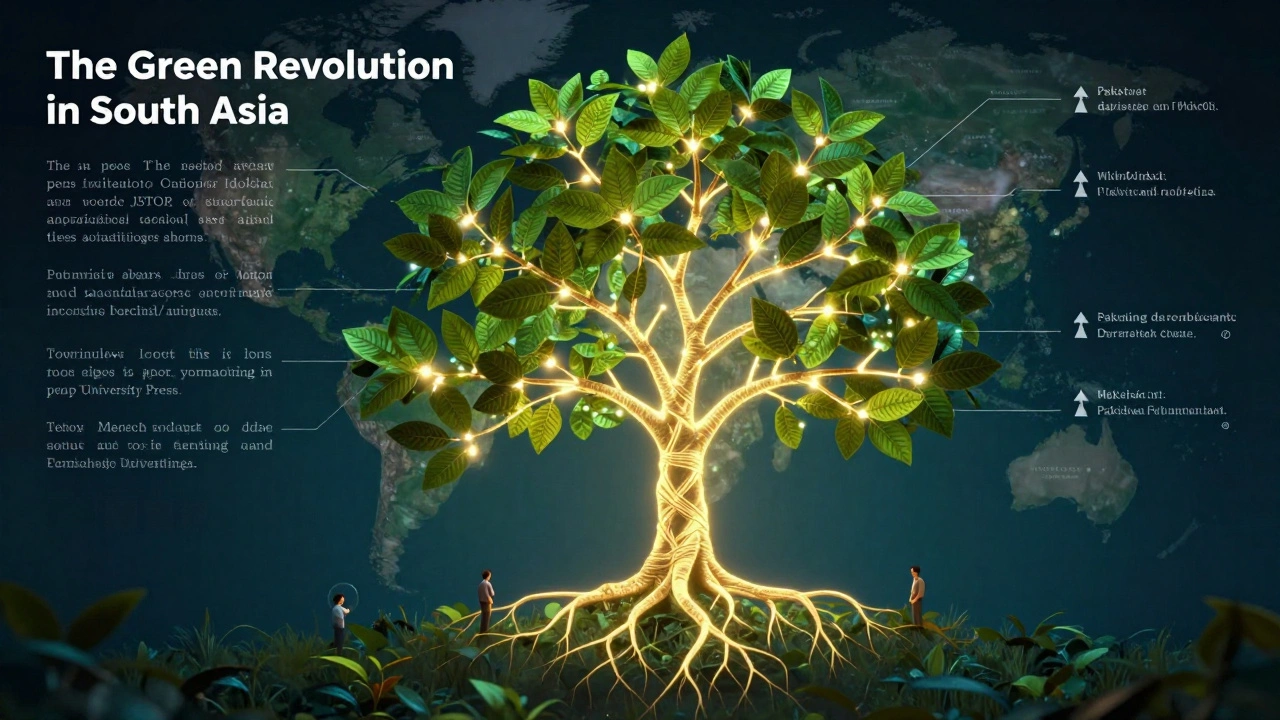
Take the article on “The Green Revolution in South Asia.” Before 2022, it had three citations - all from news articles. No peer-reviewed studies. No data on crop yields. No mention of environmental impacts.
An editor in New Delhi applied to the Wikipedia Library and requested access to three academic papers on agricultural policy from the International Food Policy Research Institute. She added detailed tables, corrected misleading claims, and cited each source properly.
Within six months, the article was viewed over 2 million times. It became a reference for university courses in India, Pakistan, and Bangladesh. It was even cited in a United Nations report on food security.
That’s the power of this system. One person, with access to real research, changed how millions understand a global issue.
What’s Next for the Wikipedia Library
The Library is growing. In 2025, it launched a pilot program to provide access to open-access repositories in Arabic, Swahili, and Bengali. It’s also testing AI tools that help editors find relevant sources faster - but only if they’re human-reviewed.
They’re working with universities to create “Wikipedia Research Fellowships” - small grants for students who want to spend a semester improving articles using academic sources.
The goal? To make Wikipedia not just a summary of knowledge, but a living archive of peer-reviewed understanding. Not for the elite. For everyone.
Can anyone join the Wikipedia Library?
No. You need to be an active Wikipedia editor with at least 500 edits and six months of account history. This ensures the Library serves people who are already contributing to improving articles, not just looking for free research.
Is the Wikipedia Library free to use?
Yes. There’s no cost to apply or use any of the resources. The Library is funded by donations and partnerships with publishers. You don’t pay anything, and you don’t need to give up your edits or rights to your contributions.
What kind of sources can I access?
You can access peer-reviewed journal articles, academic books, conference papers, and some government reports. Popular partners include JSTOR, ProQuest, Springer, and Cambridge University Press. Not all publishers participate, so some high-impact journals are still unavailable.
Can I use the Library to write my own research paper?
The Library is meant for improving Wikipedia, not for personal academic work. You can use the sources you find to write your own paper, but you must follow your institution’s citation rules. The Library’s access codes are only valid for editing Wikipedia articles.
How do I know if a source is reliable enough for Wikipedia?
Wikipedia requires sources that are published, independent, and authoritative. Peer-reviewed journals, university presses, and major news organizations qualify. The Library only gives access to sources that meet these standards. If you’re unsure, check Wikipedia’s guideline on reliable sources - it’s publicly available.