WikiProjects: How Volunteer Groups Shape Wikipedia’s Content
When you read a well-structured article on Wikipedia, chances are a WikiProject, a volunteer-led group focused on improving content in a specific topic area. Also known as topic-based collaboration teams, it brings together editors who care deeply about accuracy, depth, and balance in their subject. These aren’t official teams hired by the Wikimedia Foundation—they’re everyday people, from students to retired professors, who show up because they want Wikipedia to get better. A WikiProject doesn’t just write articles—it builds systems. It creates checklists, sets style rules, flags missing content, and trains new editors. Think of it like a neighborhood watch, but for facts.
There are over a thousand WikiProjects, covering everything from WikiProject Medicine, a group that reviews health articles for scientific accuracy and clarity, to WikiProject Women in Red, a campaign to create biographies for women missing from Wikipedia. Some focus on geography, like WikiProject Africa, which works to expand coverage of African history, culture, and people. Others tackle problems like bias, sourcing, or formatting. These groups don’t just fix errors—they prevent them. They create templates so new editors don’t have to guess how to cite a source or structure a section. They run drives to clear backlogs, just like the copy editing backlog mentioned in the November 2025 drive. Without WikiProjects, Wikipedia would be a mess of uneven quality. One editor might fix a typo. A WikiProject fixes the whole system behind it.
What makes WikiProjects powerful is how they turn isolated efforts into coordinated action. A single editor might notice a missing citation. A WikiProject notices that 300 articles on similar topics all lack citations—and then trains dozens of people to fix them together. They use talk pages, task lists, and automated bots to track progress. They’re the reason some topics, like Indigenous history or local science, have improved so much over the last decade. And they’re still growing. The most successful ones don’t rely on volunteers who burn out—they build routines, reward small wins, and make it easy to jump in. If you’ve ever wondered how Wikipedia stays reliable despite being edited by anyone, the answer isn’t software. It’s these quiet, organized groups of people who care enough to show up, day after day.
Below, you’ll find a collection of articles that dig into how WikiProjects operate behind the scenes: how they choose what to fix, how they handle conflict, how they grow, and why they’re still the backbone of Wikipedia’s quality. These aren’t abstract ideas—they’re real tools, real strategies, and real people making the encyclopedia work.

How WikiProjects Improve Quality Through Peer Collaboration
Discover how WikiProjects transform chaotic crowdsourcing into high-quality encyclopedic content. Learn about peer collaboration, conflict resolution, and community-driven standards.

How to Use WikiProjects to Improve Wikipedia Article Quality
Learn how to leverage WikiProjects to enhance Wikipedia article quality. Discover strategies for peer review, meeting GA/FA criteria, and effective collaboration to elevate your contributions.

WikiProjects Impact: How Collaborative Efforts Shape Featured Articles
Discover how WikiProjects drive the creation of high-quality Featured Articles on Wikipedia. Learn about the collaborative processes, quality standards, and real-world impact of these volunteer teams.
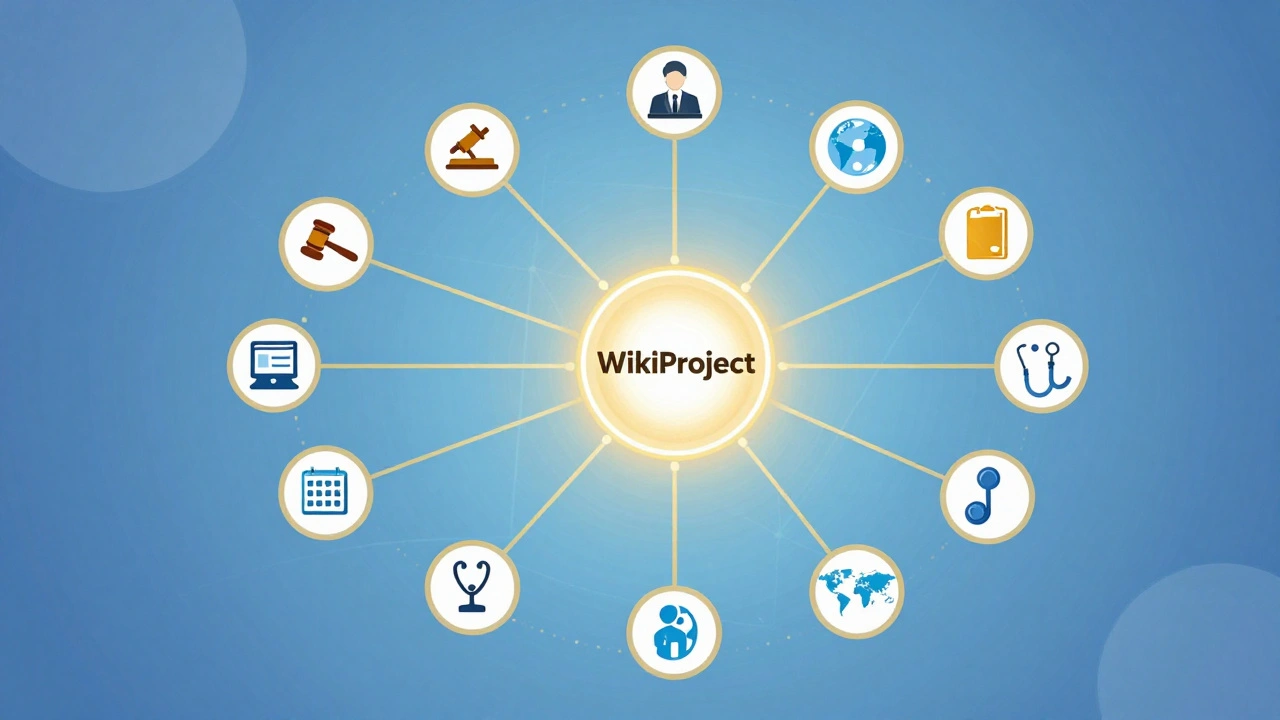
How to Use Wikipedia WikiProjects for Breaking News and Current Events
Learn how to leverage Wikipedia WikiProjects for accurate, coordinated coverage of breaking news and current events. Discover sourcing strategies, task force roles, and best practices for real-time editing.
How The Signpost Highlights WikiProjects: A Guide to Community Collaboration
Discover how The Signpost uses WikiProject spotlights to celebrate Wikipedia's collaborative community, offering insights into volunteer teamwork, quality control, and the hidden mechanics of the world's largest encyclopedia.
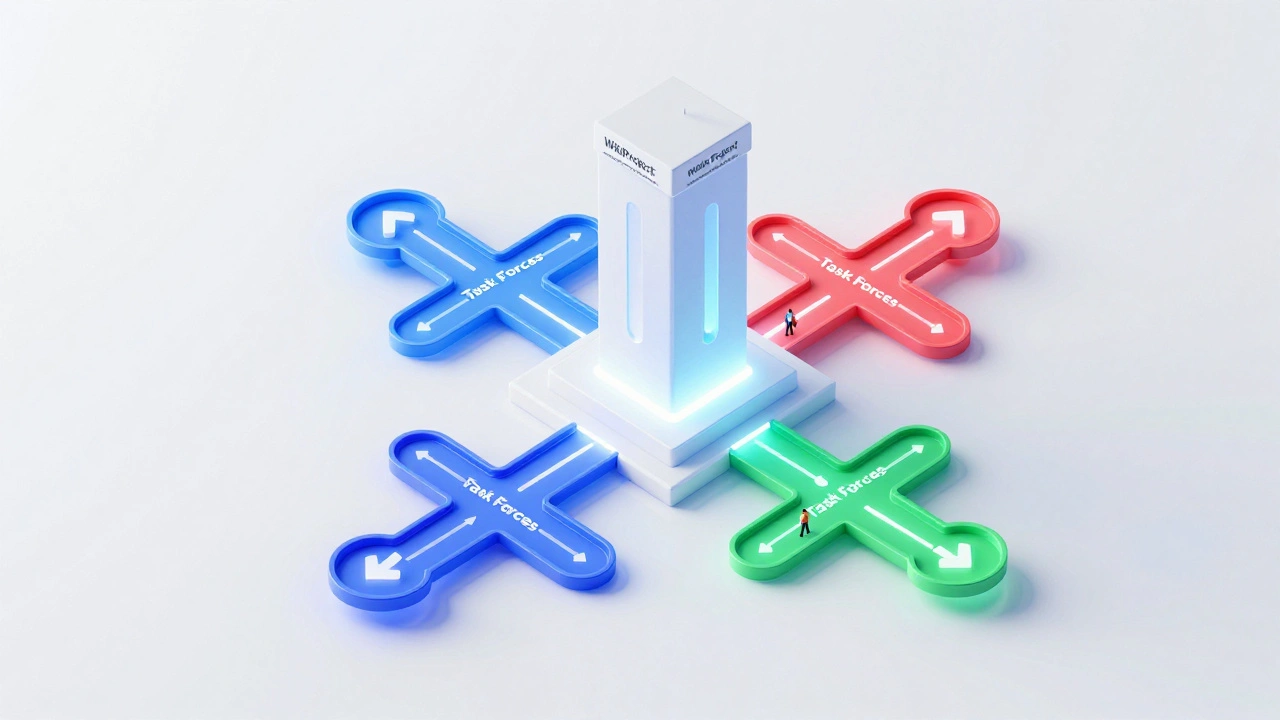
How Wikipedia Task Forces Drive Specialized Editing Workflows
Explore how Wikipedia Task Forces streamline collaborative editing through specialized workflows, ensuring accuracy and efficiency in niche topics.

What Are WikiProjects? A Guide to Wikipedia's Collaboration Structure
Discover how WikiProjects organize Wikipedia's massive amount of data through topic-based collaboration, quality scales, and community-led standards.

Inside The Signpost: How WikiProjects and Community Drives Get Covered
Explore how The Signpost acts as the essential news hub for Wikipedia, documenting the efforts of WikiProjects and the high-energy impact of community drives.
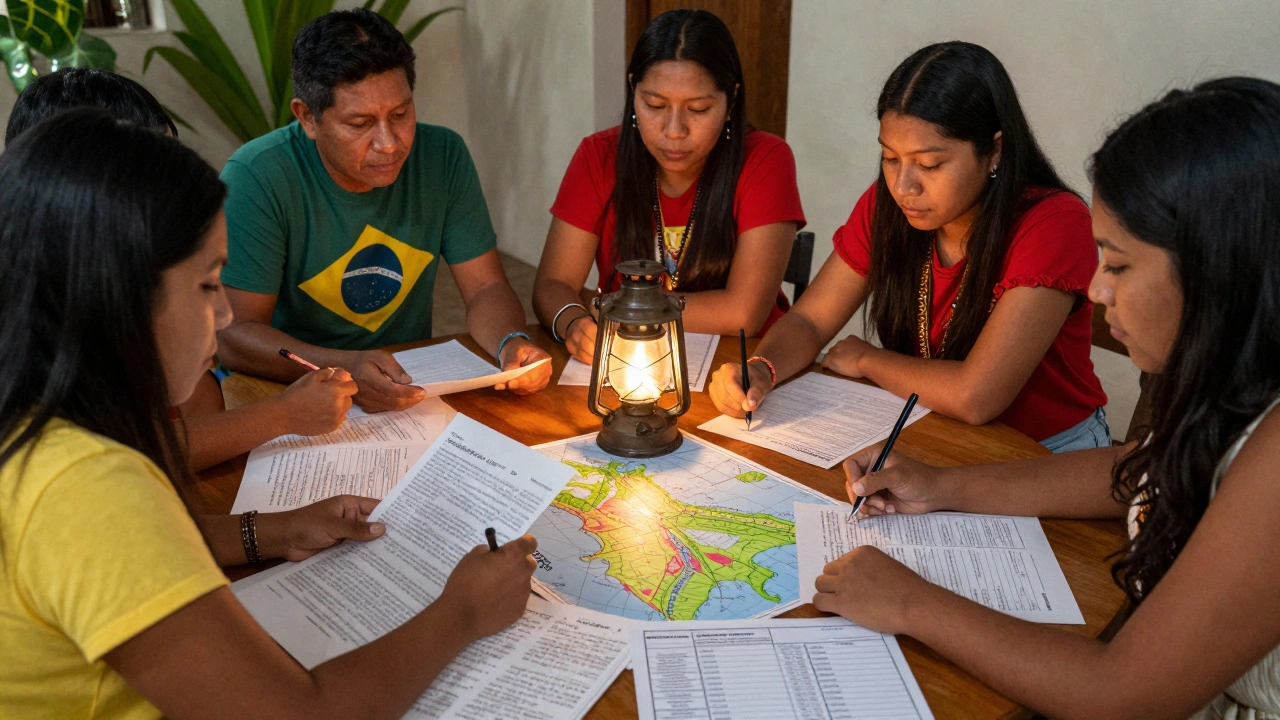
Emerging WikiProjects: New Topic Areas Getting Attention on Wikipedia
New WikiProjects on Wikipedia are bringing underrepresented topics into the spotlight-from Indigenous knowledge to climate adaptation stories. These volunteer-driven efforts are reshaping what knowledge looks like on the world's largest encyclopedia.
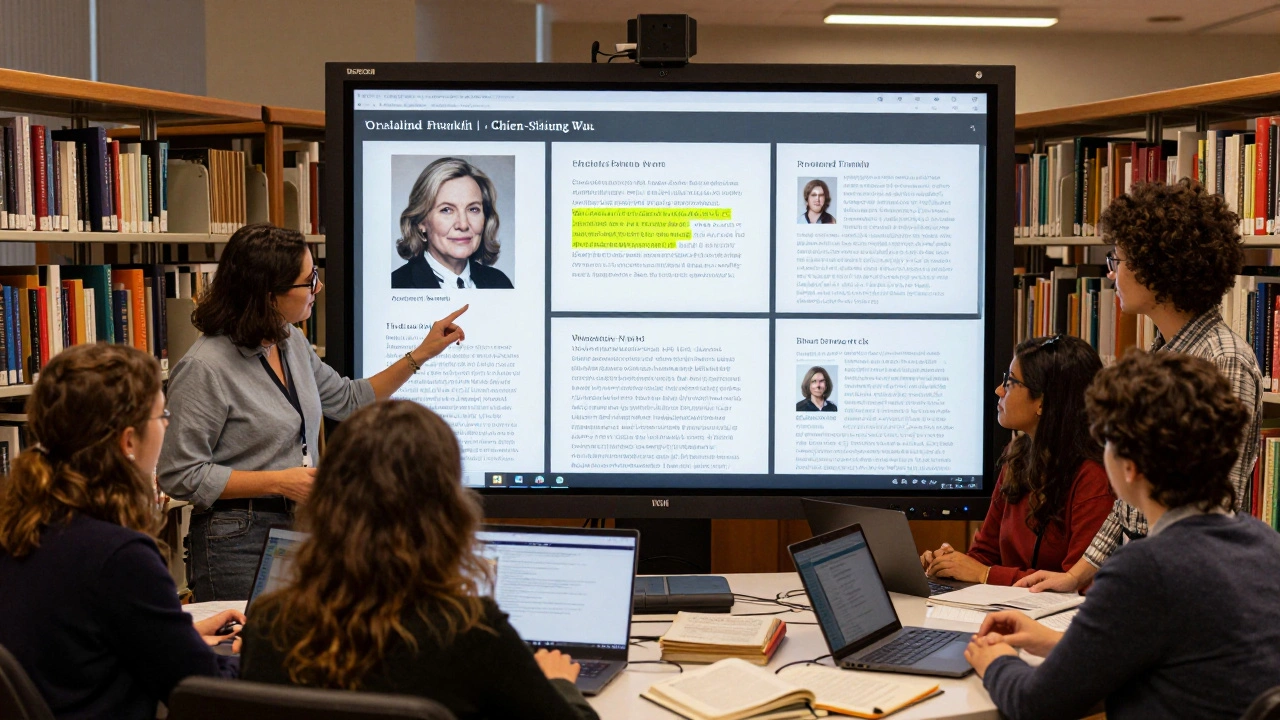
Women in STEM WikiProjects: Fixing the Content Gaps
WikiProjects are fixing major content gaps on Wikipedia by expanding articles about women in STEM. Through deep research, training, and partnerships, volunteers are adding citations, correcting historical erasure, and making science more inclusive for everyone.
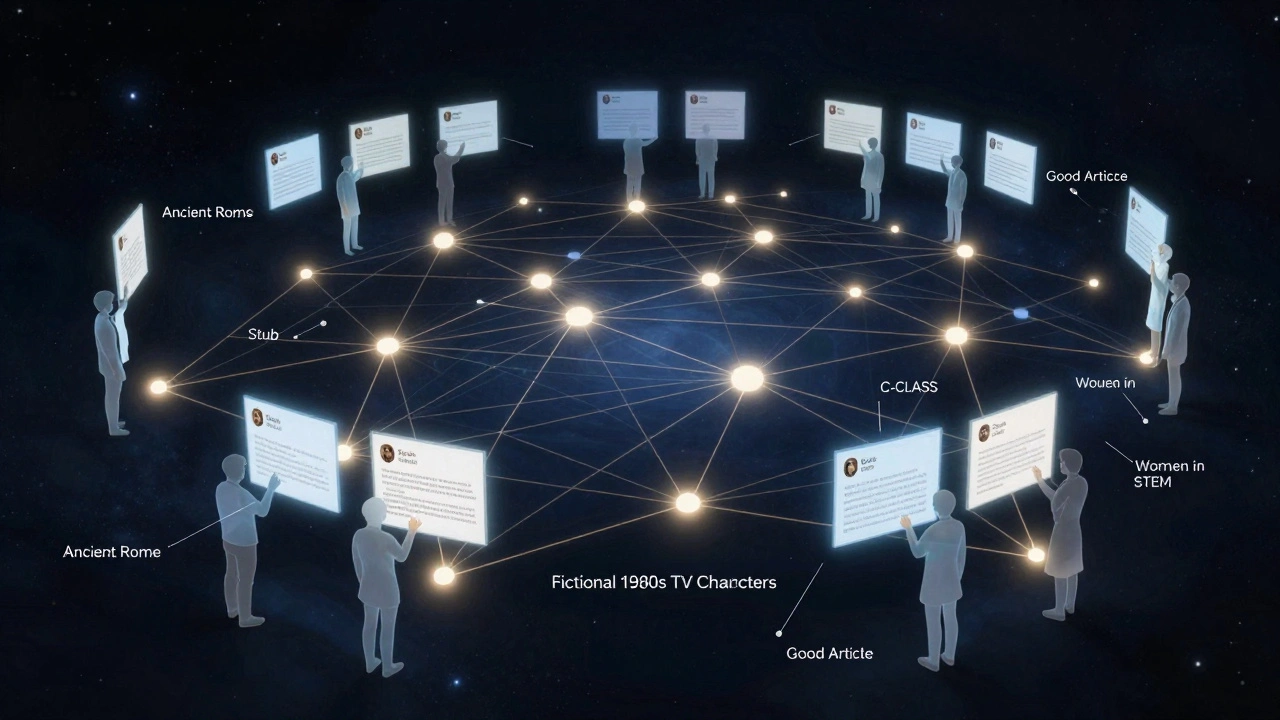
How WikiProjects Coordinate Topic-Specific Editing on Wikipedia
WikiProjects are volunteer-led groups on Wikipedia that coordinate editing around specific topics. They improve article quality through consensus, assessment tools, and shared guidelines - without top-down control.
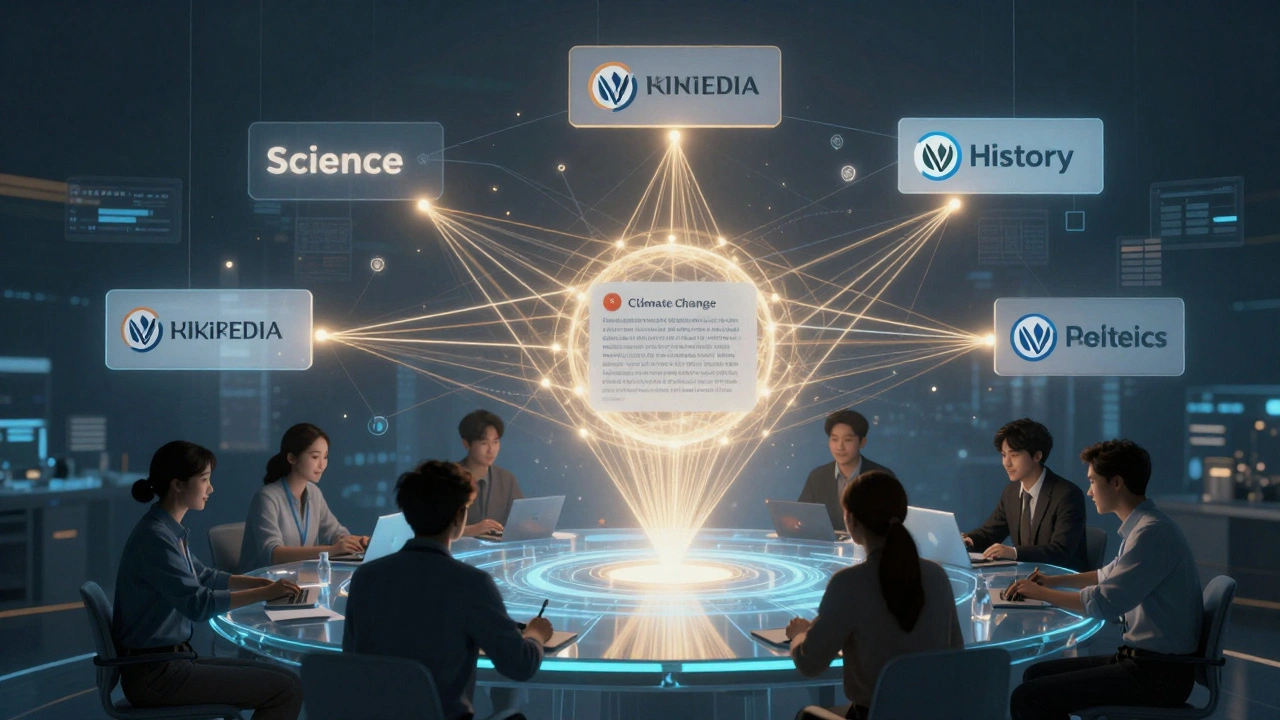
How WikiProjects Collaborate on Cross-Topic Issues
WikiProjects on Wikipedia collaborate across topics to build accurate, well-rounded articles. Learn how volunteers coordinate on complex subjects like climate change, history, and science-and how you can help.