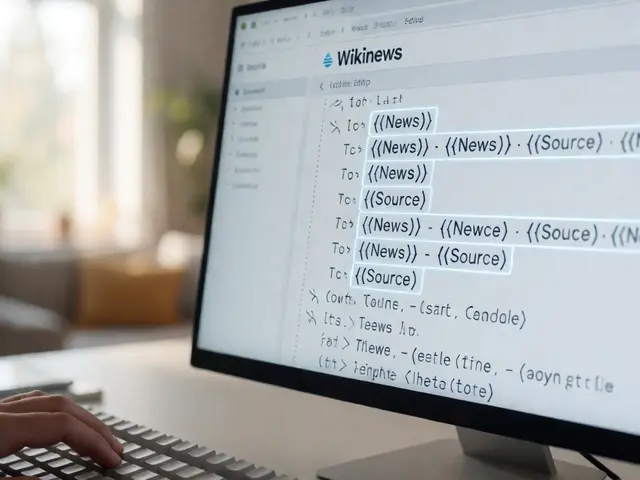
Every time you edit a Wikipedia article, you are technically agreeing to a legal contract that most people never read. The Wikimedia Terms of Use is the governing legal document that defines how users interact with Wikimedia projects like Wikipedia, Wikidata, and Commons. It dictates who owns the edits, how they can be reused, and what happens if you break the rules. For casual readers, it’s invisible. But for the thousands of volunteers who keep the encyclopedia running, these terms are the ground they stand on.
In 2026, the landscape has shifted. The Wikimedia Foundation, the non-profit entity behind the projects, has been refining its policies to balance legal protection with community freedom. If you’ve ever wondered why your edits might be reverted, or how your work is licensed globally, this isn’t just legalese-it’s about your rights as a contributor.
The Core Legal Framework: CC BY-SA vs. GFDL
To understand the changes, you first need to grasp the two main licenses involved. Since 2009, all new text on Wikipedia has been released under the Creative Commons Attribution-ShareAlike (CC BY-SA) license. This means anyone can reuse your work as long as they credit you and share it under the same terms. Before that, the GNU Free Documentation License (GFDL) was standard, but it required cumbersome cover page notices that didn’t fit digital media well. Today, CC BY-SA is the dominant force, ensuring that knowledge remains free and modifiable.
However, images and media files often operate under different rules. Some are public domain, others are Creative Commons Zero (CC0), and many fall under specific copyright laws. The Terms of Use clarify that by uploading media, you grant a royalty-free, worldwide, non-exclusive license to the Wikimedia Foundation to host and distribute that file. This distinction matters because a single article might contain text under CC BY-SA and an image under a stricter copyright regime. Editors must navigate this dual system carefully to avoid inadvertent violations.
What Changed in Recent Years
While the core licenses haven’t changed, the operational policies surrounding them have tightened. One significant shift involves User Account Governance. In the past, anonymous editing was more common, but now, account verification and clear attribution are emphasized. This change aims to reduce vandalism and improve accountability. If you edit without an account, your IP address becomes your identifier, which can lead to blocks if you make controversial changes.
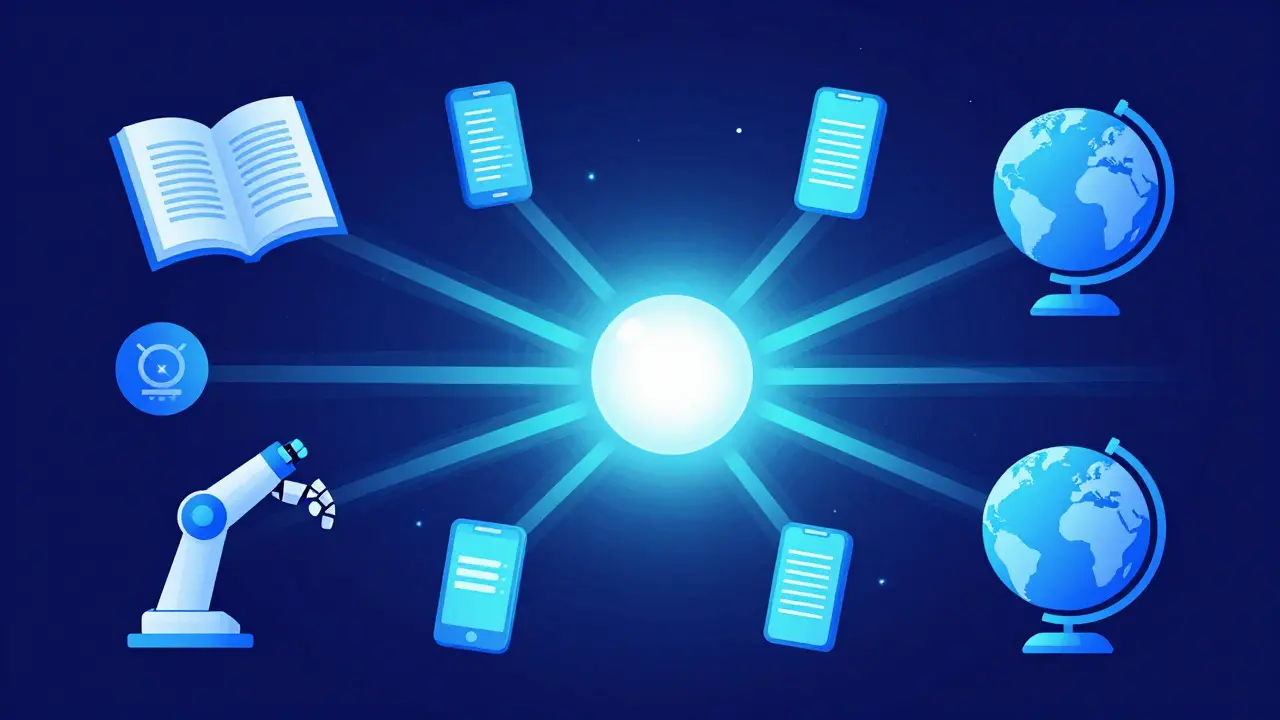
Another area of evolution is the handling of Structured Data via Wikidata. As Wikipedia integrates more with machine-readable databases, the Terms of Use now explicitly cover data entries. A simple fact like "The capital of France is Paris" is not just text; it’s a structured statement linked to entities. These statements are also subject to CC BY-SA, meaning bots and AI models can scrape this data freely. For editors, this means your factual contributions become part of a global knowledge graph, accessible to search engines and developers alike.
Implications for Volunteer Editors
So, what does this mean for you if you spend your weekends fixing grammar or adding citations? First, your work belongs to the commons. You don’t own the final version of an article you help write; you own your contribution, which is immediately shared with the world. This can feel unsettling for those accustomed to private authorship. But it also means your impact is amplified. Your edit could appear in a textbook, a news article, or an AI training dataset within days.
Second, consistency is key. The Terms of Use encourage editors to follow established style guides and neutral point of view (NPOV) standards. Deviating from these norms doesn’t just risk reversion; it can signal a breach of good faith. For example, inserting promotional content without proper sourcing violates both editorial guidelines and the spirit of the license. The Foundation reserves the right to block accounts that repeatedly abuse the system, so staying informed about policy updates is crucial.
| Content Type | Default License | Key Requirements | Reusability |
|---|---|---|---|
| Article Text | CC BY-SA 4.0 | Attribution, ShareAlike | High - Can be modified and redistributed |
| Images/Media | Varies (PD, CC0, CC BY-SA) | Depends on upload tag | Moderate - Must check specific license terms |
| Wikidata Statements | CC0 / CC BY-SA | None for CC0, Attribution for CC BY-SA | Very High - Machine-readable and freely scrapable |
Navigating Disputes and Reversions
Conflicts are inevitable in a collaborative space. When two editors disagree on a fact, the process usually starts with talk pages and consensus-building. But if no agreement is reached, arbitration steps in. The Terms of Use support this hierarchical dispute resolution. Ignoring warnings or engaging in personal attacks can lead to temporary or permanent bans. For new editors, the best defense is thorough sourcing. Citing reliable references not only strengthens your case but also aligns with the Foundation’s goal of verifiability.
It’s also worth noting that the Terms of Use apply globally. Whether you’re editing from Madison, Wisconsin, or Mumbai, India, the same legal framework governs your actions. This uniformity simplifies things for international contributors but requires awareness of local copyright nuances when uploading original media. Always double-check that you have the right to upload a photo you took yourself, especially if it features recognizable people or copyrighted architecture.
The Role of Technology and AI
With the rise of large language models, the Wikimedia ecosystem is adapting. Bots now assist with routine tasks like link maintenance and category cleanup. The Terms of Use recognize these automated agents as valid users, provided they are transparent about their nature. This transparency ensures that human editors know when they’re interacting with a script rather than another person. As AI tools become more sophisticated, expect further clarifications on how algorithmic suggestions should be attributed and reviewed.
For editors, this technological integration offers both opportunities and challenges. On one hand, AI can help identify gaps in coverage or suggest improvements. On the other, it raises questions about bias and accuracy. Staying active in community discussions helps shape how these tools are deployed, ensuring they serve the goal of free knowledge rather than replacing human judgment.
Practical Tips for Staying Compliant
You don’t need a law degree to edit effectively, but a few habits will keep you safe:
- Cite everything: Reliable sources protect your edits from reversion and demonstrate good faith.
- Check licenses: Before uploading media, verify the correct template and license type.
- Read the talk pages: Context matters. Understanding previous debates prevents repeating old mistakes.
- Stay updated: Follow official announcements from the Wikimedia Foundation for policy changes.
- Be respectful: Civil discourse reduces conflict and keeps the community welcoming.
These small actions build trust within the community and ensure your contributions remain intact. The Wikimedia project thrives on cooperation, and adhering to the Terms of Use is simply the baseline for participating in that collaboration.
Frequently Asked Questions
Do I lose copyright when I edit Wikipedia?
You retain moral copyright, but you grant a perpetual, irrevocable license to use your work under CC BY-SA. This means others can reuse, modify, and redistribute your edits as long as they credit you and maintain the same license.
Can I use Wikipedia articles in my book?
Yes, provided you attribute the source and release your book under the same CC BY-SA license, or seek permission for different usage. For commercial works, always verify the specific license of each section and image used.
What happens if I break the Terms of Use?
Minor infractions usually result in warnings or reverts. Major breaches, such as plagiarism or repeated vandalism, can lead to account blocks. In extreme cases, the Wikimedia Foundation may pursue legal action, though this is rare.
Are Wikidata entries covered by the same terms?
Most Wikidata statements are released under CC0, which places them in the public domain. However, some structured data may still fall under CC BY-SA depending on the specific context and user choice. Always check the license badge on individual items.
How do I report a policy violation?
Start by discussing the issue on the relevant article’s talk page. If unresolved, escalate to the Arbitration Committee or contact administrators. Keep records of your communications to support your case.