
Imagine editing a controversial article at 2 AM and getting blocked by an administrator who calls you "trollish" in the block summary. You feel unheard. The community feels chaotic. This is where Admin Conduct Standards is a set of unwritten but widely accepted norms governing how Wikipedia administrators interact with editors, manage disputes, and exercise their tools. It isn't a single rulebook; it's a living culture built on consensus, precedent, and the fear of being overruled by the broader community. For most users, admins are invisible until they aren't. When they step in, the tone matters as much as the action. If the tone is rude, the fix doesn't matter because the damage to trust is already done.
The Core Problem: Power Without Formal Rank
Wikipedia Administrators hold special permissions like page deletion, user blocking, and protection, but they don't have formal authority over content accuracy. This creates a unique tension. An admin can lock a page, but another editor can unlock it if the community agrees the lock was wrong. Because of this, Civility is the primary mechanism that keeps administrative power from becoming tyranny. If an admin acts rudely, they lose social capital. If they lose social capital, their blocks get overturned faster, their deletions get restored, and their reputation suffers. In short, being nice isn't just polite; it's strategic for maintaining effective oversight.
What "Civility" Actually Means in Practice
Civility on Wikipedia isn't about being best friends. It's about professional distance. Here is what the community expects:
- Assume Good Faith (AGF): Even when someone edits badly, assume they mean well unless proven otherwise. Accusing someone of bad faith without evidence is a fast track to criticism.
- Separate Person from Work: Critique the edit, not the editor. Saying "This citation is weak" is fine. Saying "You clearly didn't read the source" is risky.
- Use Neutral Language: Avoid sarcasm, exclamation points, and absolute terms like "always" or "never." These trigger defensiveness.
- Give Context: When blocking or deleting, explain *why* briefly. A one-word block summary is often seen as dismissive.
If you violate these norms, you might face a Request for Comment (RfC), which is a public forum where the community discusses whether an admin's behavior was appropriate. It’s not a trial, but it’s close enough to make anyone sweat.
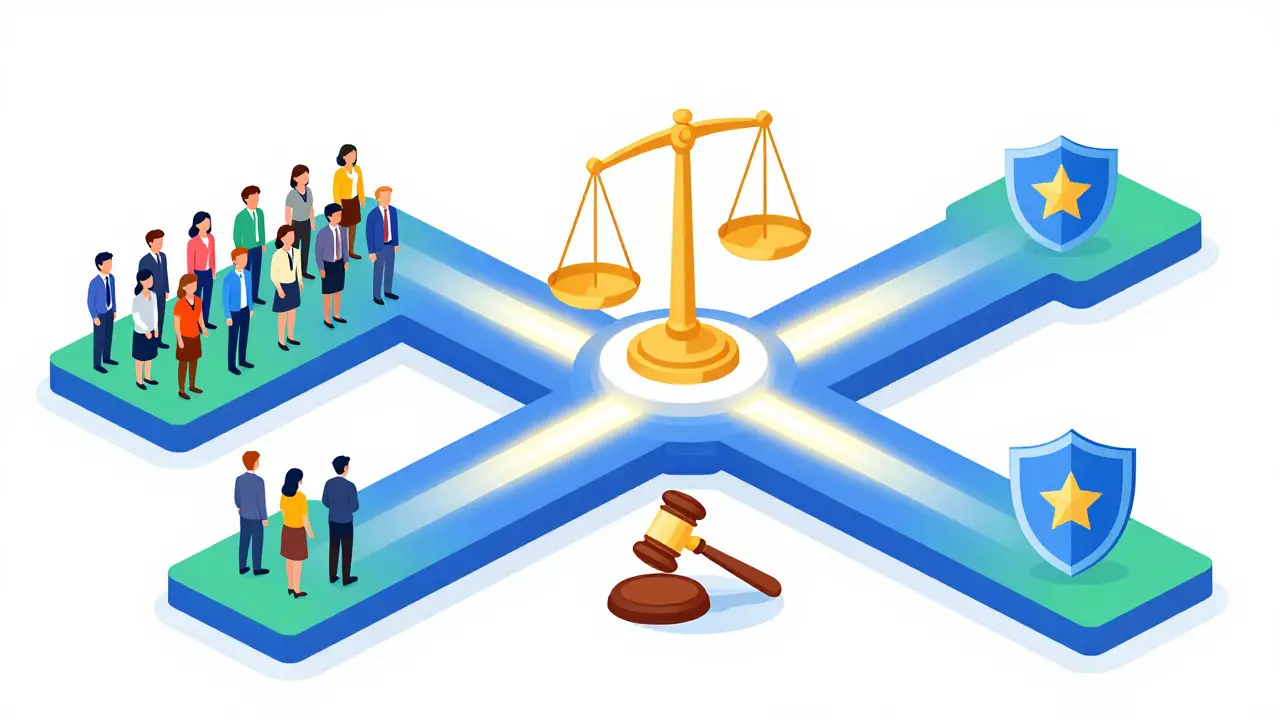
Administrative Oversight: Who Watches the Watchers?
Since admins answer to no boss, oversight comes from three main directions:
- Community Consensus: Regular editors watch admin actions. If too many people complain, the pressure mounts. This is the first line of defense.
- Stewardship & Bureaucracy: Higher-level roles like Stewards can remove admin rights globally or locally if misconduct is severe. This is rare but happens.
- Arbitration Committee (ArbCom): For serious conflicts, ArbCom has the final say. They can ban users, restrict editing, or even strip admin powers permanently.
The key here is proportionality. A minor typo correction doesn't need ArbCom. But repeated personal attacks? That’s different. The system relies on editors knowing when to escalate and when to let it go.

Common Pitfalls That Trigger Backlash
Even well-meaning admins stumble. Here are the top three traps:
1. The "Rule Lawyer" Block
Blocking someone for a technicality while ignoring bigger issues looks petty. If you block for a minor format error while leaving a major vandalism issue alone, the community will notice. Fix the big problem first, or explain why the small one is urgent.
2. Public Shaming in Talk Pages
Talk pages are for discussion, not execution. Leaving long, detailed critiques of an editor’s character on their talk page invites retaliation. Keep it brief, factual, and move private details to email or a dedicated discussion page.
3. Ignoring Newcomers
New editors make mistakes. Treating them like veterans does breeds resentment. A gentle nudge beats a hard block. Remember, every veteran was once a newbie who got confused.
| Scenario | Civil Approach | Uncivil Approach | Potential Consequence |
|---|---|---|---|
| Recurring Vandalism | Block for 7 days with clear summary: "Vandalism, see history." | Block indefinitely with summary: "Troll." | Indefinite blocks require strong justification; "Troll" is subjective and often contested. |
| Edit War | Protect page for 48 hours, invite both parties to discuss on talk page. | Protect page permanently, side with one party silently. | Permanent protection without discussion looks biased; invites RfC. |
| Bad Faith Edit | Revert with note: "No reliable source cited." | Revert with note: "Obvious lie." | "Obvious lie" assumes intent; "No source" states fact. Facts are safer. |
How to Navigate Disputes as an Editor
If you’re on the receiving end of an admin action, panic is your enemy. Here’s your playbook:
- Read the Summary Carefully: Does it cite a specific policy? If yes, check if the policy applies. If no, ask for clarification politely.
- Wait 24 Hours: Emotions run high. Let the dust settle before posting a rebuttal.
- Post on Your Talk Page: Keep it brief. State your case, cite relevant policies, and ask for reconsideration. Don’t argue; present facts.
- Escalate Only If Necessary: If ignored, try a neutral third party (like a steward or arbcom candidate). Avoid going straight to ArbCom for minor issues-it’s overkill and may backfire.
Remember, the goal isn’t to win; it’s to restore good faith. If you come across as reasonable, the community will support you. If you come across as aggressive, you’ll lose even if you’re technically right.
Best Practices for Aspiring Admins
If you’re considering running for admin, understand that the job is 90% communication. Here’s what separates successful admins from those who burn out:
- Keep a Log of Decisions: Note why you made certain calls. It helps when defending your actions later.
- Seek Mentorship: Find an experienced admin and ask them to review your early blocks/deletions. Feedback now saves headaches later.
- Stay Current on Policies: Policies change. What was acceptable in 2020 might be frowned upon in 2026. Check recent RfCs and ArbCom cases to stay aligned.
- Know When to Step Back: If a dispute gets heated, take a break. A cool head makes better decisions than a hot one.
Frequently Asked Questions
Is civility a formal Wikipedia policy?
Not exactly. While there are guidelines like "Be Bold" and "Assume Good Faith," civility is largely enforced through community consensus rather than a single strict rule. However, extreme incivility can lead to sanctions via Arbitration Committee.
Can an admin be removed for being rude?
Yes, but rarely for a single instance. Removal usually happens after a pattern of uncivil behavior that undermines community trust. Stewards or ArbCom can strip admin rights if misconduct is deemed severe enough.
What should I do if an admin ignores my talk page message?
Wait 48-72 hours. If still no response, post a polite reminder or seek help from another neutral editor. If the issue is significant, consider opening a Request for Comment (RfC) to bring wider community attention.
Do new editors have less protection against admin actions?
Not officially, but practically, yes. New accounts are sometimes viewed with more suspicion due to bot/vandal risk. However, admins are encouraged to give newbies the benefit of the doubt, especially if the account shows some history of good-faith edits.
How does admin oversight differ from other wikis?
Wikipedia’s oversight is uniquely decentralized. Unlike corporate-run platforms where a company HR team handles complaints, Wikipedia relies on peer review and volunteer committees. This makes it slower but more democratic, though also more prone to bias if the community is divided.