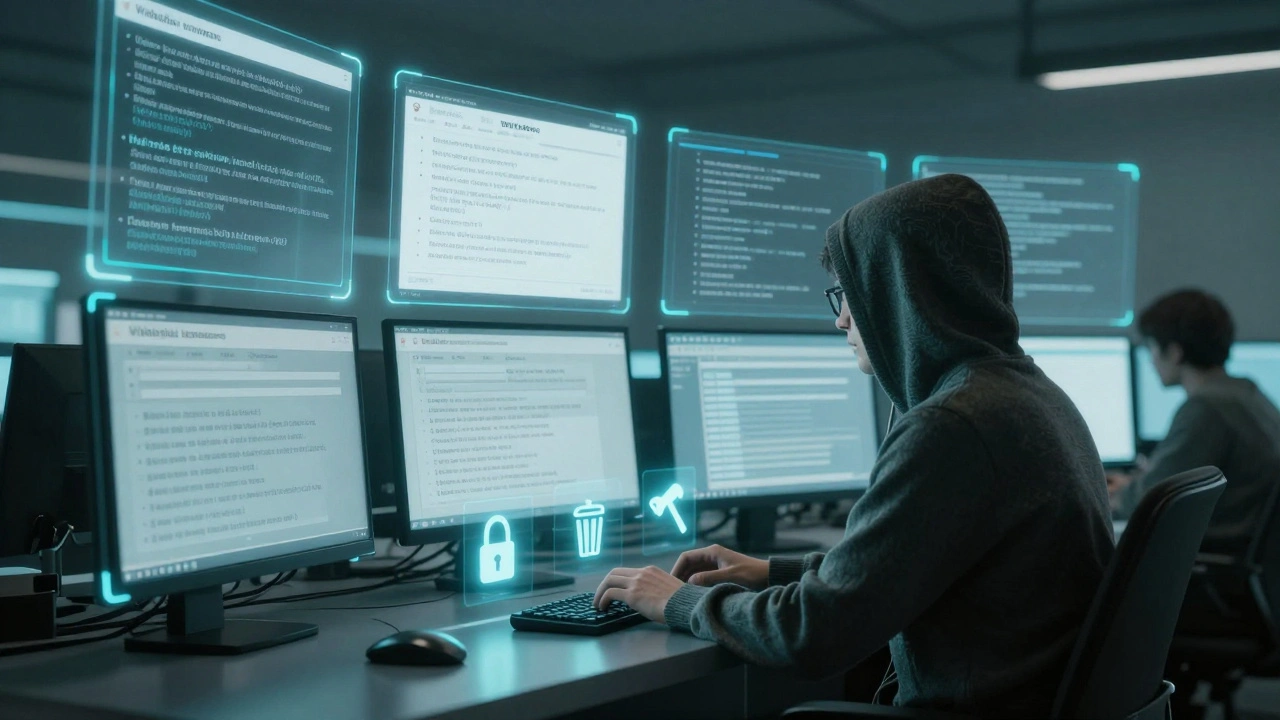
Wikipedia doesn’t run itself. Behind every article you read, there’s a quiet but powerful layer of volunteers who keep the site running smoothly. These are the Wikipedia administrators - not employees, not paid staff, but regular users granted special tools to handle abuse, vandalism, and disputes. If you’ve ever seen a page locked, a user banned, or a messy edit reverted, chances are an administrator made that call.
What Exactly Is a Wikipedia Administrator?
An administrator, or "admin," is a Wikipedia user who has been granted technical permissions beyond those of a regular editor. They aren’t editors with more authority over content - they don’t get to decide what’s true or false. Instead, they’re caretakers of process. Their job is to enforce policies, not opinions.
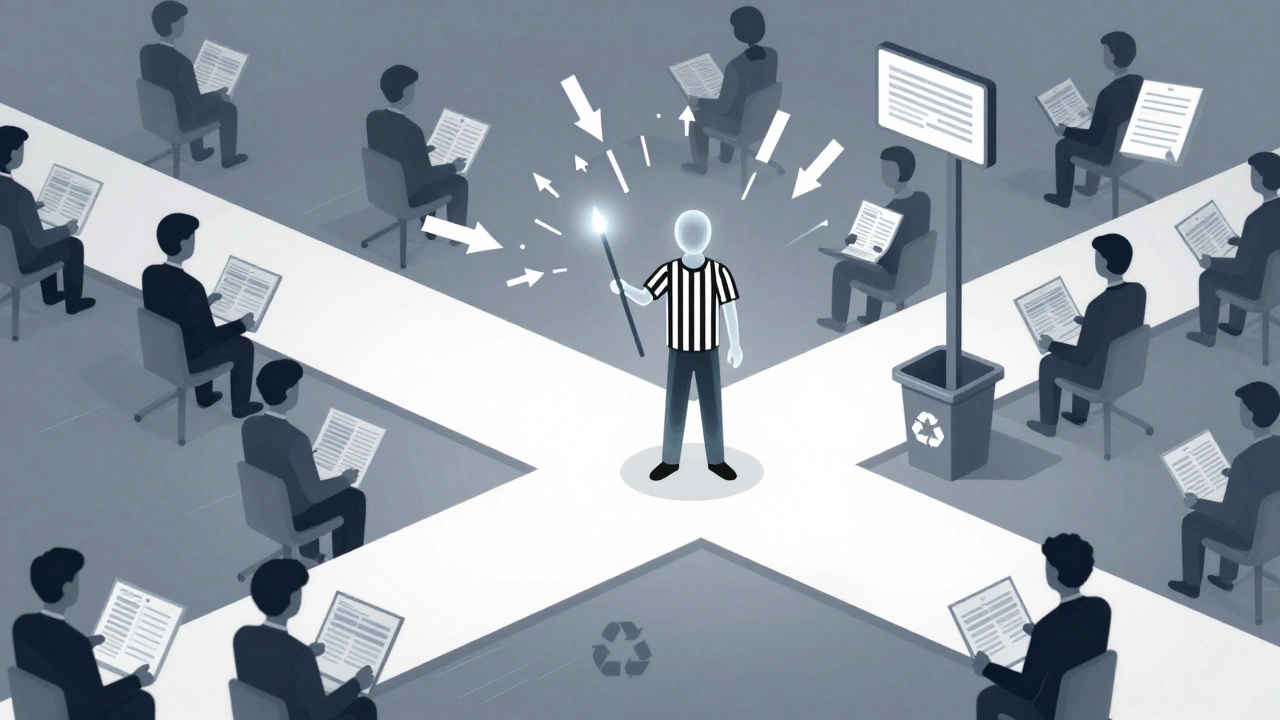
Think of them like traffic cops at a busy intersection. They don’t design the roads or decide where people should go. They just make sure no one runs red lights, blocks lanes, or starts fights. Admins handle the mechanics of editing: locking pages, deleting spam, blocking vandals, and protecting high-risk articles from being hijacked.
These roles are earned, not given. To become an admin, a user must have a solid editing history - usually hundreds of edits over months - and demonstrate calm judgment in disputes. Then, they go through a community vote called an "RfA" (Request for Adminship). Only about 1 in 5 applicants get approved. Once granted, the tools can be revoked if they’re misused.
Core Responsibilities of Wikipedia Administrators
Admins have access to a handful of tools, but they’re not meant to be used casually. Here’s what they actually do day to day:
- Protect pages - Lock articles that are being repeatedly vandalized, like those about current events, celebrities, or political figures. This stops anonymous or new users from editing until things calm down.
- Delete pages - Remove content that violates policy: copyright violations, personal attacks, hoaxes, or blanked pages. They don’t delete because they dislike the topic - they delete because it breaks the rules.
- Block users - Temporarily or permanently stop users who engage in edit warring, harassment, or mass vandalism. Blocks can last from hours to years, depending on severity.
- Restore edits - Revert changes that violate neutrality or sourcing rules, especially when editors argue over wording. Admins step in when discussions stall.
- Manage protected lists - Maintain lists like "protected templates" or "semi-protected articles" to ensure consistency across the site.
None of these actions are final. Every deletion, block, or protection can be appealed. Wikipedia’s culture values transparency. If you’re blocked, you’ll get a message explaining why. If a page is deleted, there’s a public log. You can challenge any admin decision through formal channels.
What Admins Don’t Do
Many people think admins are "gatekeepers" who control what gets written. That’s wrong. Here’s what they absolutely cannot do:
- Decide what’s true - Admins can’t override consensus on content. If a community agrees a fact belongs in an article, an admin can’t remove it just because they disagree.
- Favor certain editors - Admins can’t protect friends, silence critics, or punish people for disagreeing with them. Doing so leads to removal of their tools.
- Write articles - Their job isn’t to create content. They’re not supposed to be the "main editor" on any topic.
- Enforce personal opinions - If an admin thinks a topic is "boring" or "unimportant," that doesn’t matter. Only policy matters.
There’s a famous saying on Wikipedia: "Ignore all rules." But that only applies to editors. For admins, the rule is: "Follow all rules - strictly." Their power comes from trust, not authority.
How Admins Are Held Accountable
Wikipedia’s system is built on peer review. Admins aren’t above the community - they’re part of it. If someone abuses their tools, here’s what happens:
- Other editors flag the behavior on noticeboards like "Administrators’ Noticeboard" or "Edit Warring Noticeboard."
- Other admins review the logs and decide if action is needed.
- If misconduct is confirmed, a "checkuser" or "steward" (higher-level volunteers) can investigate further.
- Most cases end in a warning. Repeated abuse leads to temporary suspension.
- In extreme cases, the community votes to remove admin rights - a process called "de-adminship." Over 200 admins have lost their tools since 2005.
One well-known case involved an admin who blocked hundreds of users for minor infractions - like using a single exclamation mark. The community reviewed the logs, found a pattern of overreach, and stripped the user of tools. No lawsuit. No corporate decision. Just a group of volunteers deciding what was fair.
Why Admins Matter
Without admins, Wikipedia would collapse under its own weight. Every minute, hundreds of edits happen. Most are helpful. But dozens are destructive: fake citations, hate speech, promotional spam, or deliberate nonsense.
In 2025, Wikipedia logged over 3 million edits per day. Of those, about 150,000 were reverted within minutes - mostly by bots, but over 40% required human intervention. That’s where admins come in. They handle the edge cases: the controversial articles, the targeted harassment, the copyright traps.
They also protect the site’s credibility. When a breaking news story erupts - like a major political scandal or a celebrity death - admins lock the page to prevent wild speculation. They don’t write the story. They just keep it clean until reliable sources arrive.
How Regular Users Interact With Admins
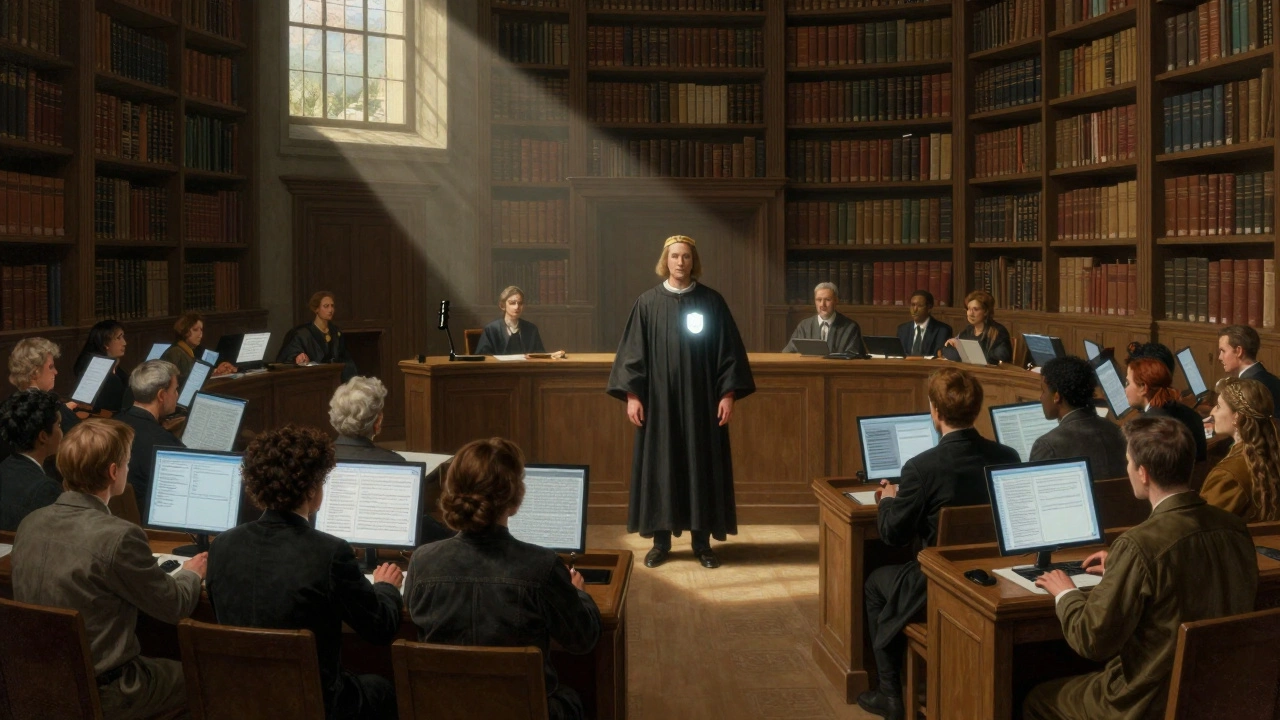
You don’t need to be an admin to influence them. In fact, the system depends on you.
- If you see vandalism, revert it and leave a note. Most issues are caught before admins even see them.
- If you’re blocked unfairly, don’t argue on the talk page. File a formal appeal on the "Unblock Request" page. Stay calm. Cite policy.
- If you want to become an admin, edit consistently for months. Focus on helping others fix mistakes, not on winning arguments.
- If you disagree with an admin’s decision, ask for the policy. Say: "Which guideline supports this?" Most admins will explain - or admit they made a mistake.
Wikipedia’s strength isn’t its technology. It’s its culture of accountability. Admins are just one part of that. The real power lies in the thousands of editors who notice, report, and correct errors every day.
Common Myths About Wikipedia Administrators
Let’s clear up a few misunderstandings:
- Myth: Admins are paid by Wikipedia. Reality: They’re volunteers. Some are professors, engineers, or retirees. None get a salary.
- Myth: Admins control what information appears. Reality: Content decisions are made by consensus. Admins just enforce the rules that guide consensus.
- Myth: You need to be a scholar to be an admin. Reality: Many top admins never went to college. What matters is patience, consistency, and fairness.
- Myth: Admins are always right. Reality: They make mistakes. That’s why appeals exist.
Wikipedia isn’t perfect. But its system of checks - where editors, bots, and admins all hold each other accountable - is one of the most resilient models of collaborative governance ever built.
Can anyone become a Wikipedia administrator?
Yes, but it’s not easy. Anyone with a solid editing history - typically over 500 edits and several months of activity - can apply. They must demonstrate calm judgment, knowledge of policies, and the ability to work with others. Then, the community votes. Approval rates are low, around 20%. It’s not about how much you edit, but how well you edit.
Do Wikipedia administrators have more influence over article content?
No. Administrators cannot change article content based on personal opinion. Their tools let them lock pages, delete violations, or block users - but they can’t force a fact to be included or removed. Content decisions are made by editors through discussion. Admins only step in when those discussions break down or when policy is clearly violated.
What happens if an administrator abuses their powers?
If an admin misuses their tools - for example, by blocking users for disagreeing with them or protecting pages to favor a side - other editors can report them. A formal review follows. If misconduct is confirmed, other admins can suspend their privileges. In serious cases, the community votes to remove their admin status entirely. Over 200 admins have lost their tools since 2005 for abuse, bias, or neglect.
Are Wikipedia administrators the same as moderators on other websites?
No. On most sites, moderators are hired or appointed by a company and answer to management. Wikipedia admins are unpaid volunteers elected by the community. They have no boss. Their only accountability is to Wikipedia’s policies and to the editors who watch them. If they break trust, they lose their tools - no appeal, no corporate backup.
Do Wikipedia administrators get special access to private data?
Some admins have access to a tool called "CheckUser," which lets them see IP addresses of users - but only to investigate sockpuppetry (fake accounts) or harassment. This access is tightly controlled. Only about 150 admins worldwide have it, and every use is logged and reviewed. Regular admins cannot see private data like emails or real names. Privacy is taken very seriously on Wikipedia.
Wikipedia’s success isn’t because of its technology or its scale. It’s because of its people - the quiet editors who fix typos, the admins who enforce fairness, and the readers who call out bias. The system works because everyone knows: no one is above the rules. Not even the ones with the keys.