Imagine waking up to find that the biography you spent three months fact-checking and citing is gone. Not just moved or archived, but deleted. For millions of Wikipedia editors, this isn't a hypothetical nightmare; it's a recurring Tuesday. When high-profile articles vanish or are restored in a flurry of edits, the ripple effects often extend far beyond the platform. The way mainstream media covers these editorial conflicts doesn't just report on Wikipedia-it actively shapes how the public perceives the reliability of the world’s largest encyclopedia.
The core tension lies in a simple mismatch: Wikipedia operates on consensus among thousands of anonymous volunteers, while journalism relies on individual bylined accountability. When an article about a controversial politician or a niche scientific theory is deleted, the resulting news cycle can turn a technical dispute into a cultural battle over truth. Understanding this dynamic requires looking past the headlines to see how coverage influences the very rules governing the platform.
The Mechanics of Deletion: Why Articles Disappear
To understand the conflict, you first need to know why an article gets removed. It isn’t always because someone hates the topic. Wikipedia has specific criteria for deletion, primarily revolving around notability and verifiability. If an article lacks reliable sources-like peer-reviewed journals or major news outlets-it becomes a target for "speedy deletion" or a discussion at the Articles for Deletion (AfD) page.
However, the process is rarely black and white. Consider the case of a local business owner who gains viral fame for one week. Their article might be created, cited by tabloids, and then later deemed not notable enough for long-term encyclopedic coverage. When the community votes to delete it, the owner or their fans might view it as censorship. This perception gap is where media coverage enters the scene. Journalists often frame these deletions as "edit wars," implying malicious intent rather than procedural adherence. This framing simplifies a complex governance model into a binary story of good versus bad actors.
- Notability: Does the subject have significant coverage in independent, reliable sources?
- Verifiability: Can every claim be traced back to a citable source?
- Neutral Point of View (NPOV): Is the writing balanced, or does it read like an advertisement?
How Media Framing Distorts Public Perception
When a major outlet reports on a Wikipedia deletion, they usually focus on the outcome, not the process. A headline reading "Wikipedia Deletes Article on [Controversial Figure]" suggests an institutional decision made by a central authority. In reality, no single person holds that power. The decision comes from a consensus of hundreds of editors over days or weeks. By stripping away this nuance, media coverage reinforces the misconception that Wikipedia is a top-down institution prone to bias.
This distortion creates a feedback loop. If the public believes Wikipedia is biased against certain groups, those groups become more defensive when editing. They might use aggressive talk page rhetoric or create sock puppet accounts to protect their content. Conversely, if the public trusts Wikipedia implicitly, minor errors go uncorrected for longer periods. The media acts as a mirror, reflecting the community's self-image back to the world. If the mirror shows chaos, the community starts acting chaotically to match expectations.
Take the 2017 controversy surrounding the deletion of articles related to the #MeToo movement. Some pieces were removed due to sourcing issues, sparking widespread criticism that Wikipedia was suppressing women's voices. The coverage highlighted the gender imbalance in editors but sometimes overlooked the specific citation failures that triggered the deletions. This led to a surge in new female editors joining the platform, which ultimately improved diversity metrics. Here, negative coverage inadvertently served a positive structural purpose by highlighting a genuine gap in representation.
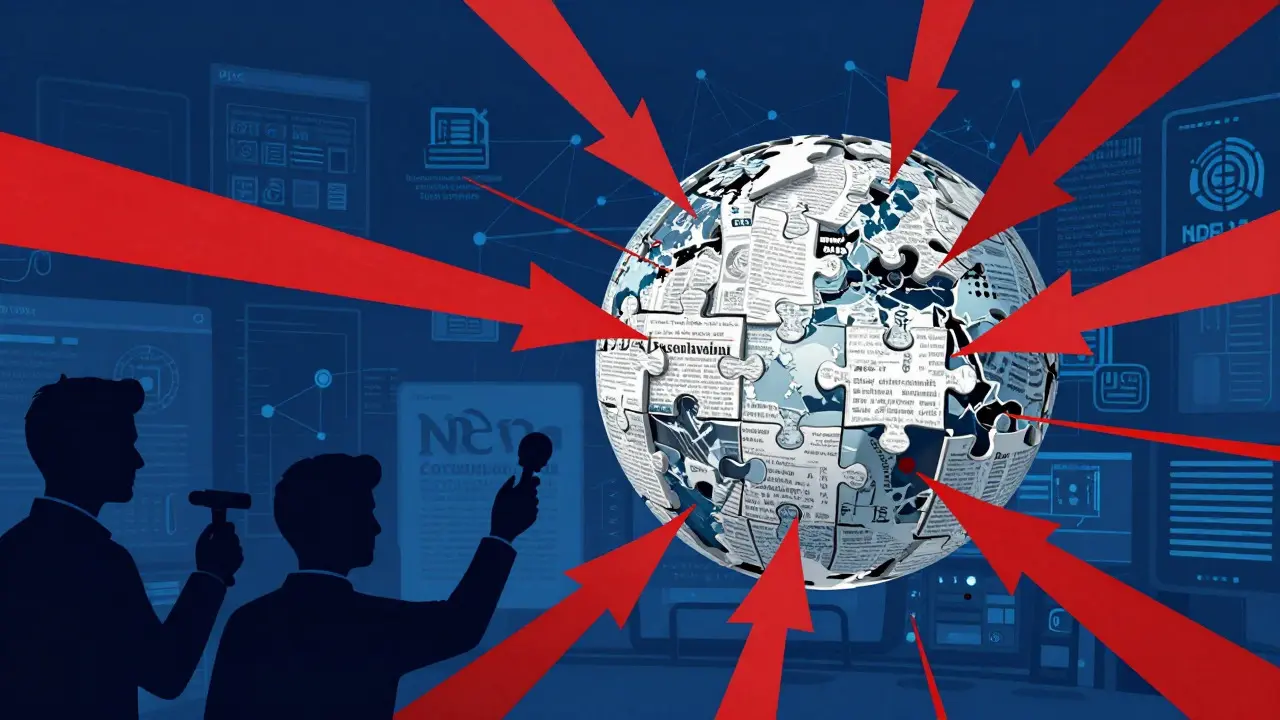
Governance Under Pressure: The Chilling Effect
One of the most underappreciated impacts of external coverage is the chilling effect on volunteer editors. When a dispute makes national news, casual contributors often step back. Why risk your reputation by editing an article that might be headlined tomorrow? This withdrawal reduces the pool of available reviewers, making the remaining workload heavier for core maintainers. Over time, this can lead to burnout and a smaller, more insular group of administrators managing the site.
Furthermore, media scrutiny can polarize the community. Editors who feel vindicated by press coverage may become less willing to compromise. Those who feel attacked may retreat into echo chambers. The collaborative spirit that defines Open Source Knowledge projects thrives on low-stakes experimentation. High-stakes media attention raises the stakes, turning routine maintenance into legalistic battles. Every edit becomes a potential headline, and every discussion becomes a public trial.
Case Studies: When Headlines Meet History
Let’s look at two contrasting examples to see how coverage shapes outcomes. First, consider the deletion of the article for a minor political figure who appeared briefly in the news. The local paper reported the deletion as an act of erasure. The editor who proposed the deletion received death threats. The result? The article was restored not because it met notability standards, but because the administrative cost of handling the backlash exceeded the benefit of removing it. The precedent set here is dangerous: it suggests that public pressure, not policy, dictates content survival.
In contrast, look at the coverage of the "Wikipedia Editing Wars" during election cycles. Major tech publications often covered these events with a tone of fascinated anthropology, describing the editors as "digital monks" or "information gatekeepers." While entertaining, this framing detached the editors from the real-world implications of their work. It treated the encyclopedia as a game rather than a reference tool. This detachment allowed the community to experiment with new arbitration methods without immediate public judgment, leading to the refinement of the Arbitration Committee processes we see today.
Strategies for Balanced Reporting
So, what would better coverage look like? Journalists covering Wikipedia disputes should treat the platform like any other organization with internal politics, but with unique constraints. Instead of asking "Who won?", they should ask "What rule was applied?" and "Was it applied consistently?" Interviewing both sides-the proposer and the opponent-is standard practice, but interviewing the neutral administrators who oversee the process adds crucial context.
Media outlets could also adopt a "process-first" approach. Explain that deletion is a last resort. Explain that most disputed pages are merged or renamed, not deleted. Highlight the role of talk pages, where the actual negotiation happens. By demystifying the mechanics, reporters reduce the sensationalism factor. Readers begin to understand that a deleted article isn't a silenced voice, but a failed candidate for encyclopedic status.
For editors themselves, transparency is key. Using clear, jargon-free language on talk pages helps journalists understand the debate without needing to translate technical wikilinks. Creating a summary of the dispute for the media can preempt misinterpretation. It’s a small effort that can prevent a week of spin control.
The Future of Open Knowledge Governance
As artificial intelligence begins to play a larger role in content verification, the dynamics of deletion will shift. Algorithms might flag low-quality articles faster, reducing the human burden of cleanup. However, they will also struggle with nuance, potentially deleting borderline cases that humans would save. Media coverage of AI-driven deletions will likely be even more volatile, as the public struggles to trust machine judgments over human ones.
Ultimately, the relationship between Wikipedia and the media is symbiotic. The encyclopedia needs the press to validate its sources; the press needs the encyclopedia to verify facts quickly. When this relationship sours, both lose. Better coverage doesn't mean praising Wikipedia blindly; it means reporting accurately on how it works. That accuracy builds trust, which keeps volunteers engaged, which keeps the encyclopedia reliable. It’s a simple chain reaction, but breaking it is easy, and fixing it requires intentional effort from both sides of the screen.
Why do people think Wikipedia deletes articles arbitrarily?
This misconception arises because the deletion process is invisible to most users. Without seeing the discussions on talk pages or the voting records at Articles for Deletion, the final action looks like a sudden, unilateral decision. Media coverage often exacerbates this by focusing on the outcome rather than the multi-week consensus-building process that precedes it.
Does media coverage actually change Wikipedia policies?
Indirectly, yes. High-profile controversies often prompt the community to review existing guidelines. For example, repeated complaints about bias in biographies have led to stricter sourcing requirements for living persons. While the media doesn't write the rules, it highlights gaps in enforcement that the community feels compelled to address.
What is the best way for an editor to handle a media inquiry about a dispute?
Editors should provide a concise summary of the dispute, linking to the relevant talk page and deletion discussion. They should emphasize that the decision follows established community norms rather than personal opinion. Avoiding emotional language and sticking to procedural facts helps journalists report the event accurately without adding unnecessary drama.
How does the "Chilling Effect" impact new contributors?
New contributors often hesitate to edit sensitive topics if they fear their work will be scrutinized by the public or press. This hesitation leads to fewer updates on controversial subjects, creating information vacuums that might be filled by less reliable sources. Over time, this can make the encyclopedia seem stagnant or outdated on hot-button issues.
Can AI solve the problem of biased deletion decisions?
AI can help identify obvious violations of sourcing rules, but it currently struggles with contextual nuance. Biased deletions often stem from subjective interpretations of notability, which are difficult to algorithmize. Therefore, AI is best used as a tool to assist human reviewers, not to replace them, ensuring that human judgment remains the final arbiter of encyclopedic value.