It happens faster than you can blink. A major celebrity scandal breaks, a political leader resigns, or a natural disaster strikes, and suddenly Wikipedia is the first place everyone looks for facts. But that speed comes with a cost. The same openness that makes Wikipedia powerful also makes it vulnerable to errors, bias, and even sabotage during high-pressure moments. If you’ve ever tried to update an article during a crisis, you know the feeling: your hands are shaking, the clock is ticking, and every edit feels like a bet on whether you’re right. This guide cuts through the noise to show you exactly where editors go wrong when covering breaking news, and how to avoid those pitfalls so your contributions stick around long after the headlines fade.
The Trap of Speed Over Accuracy
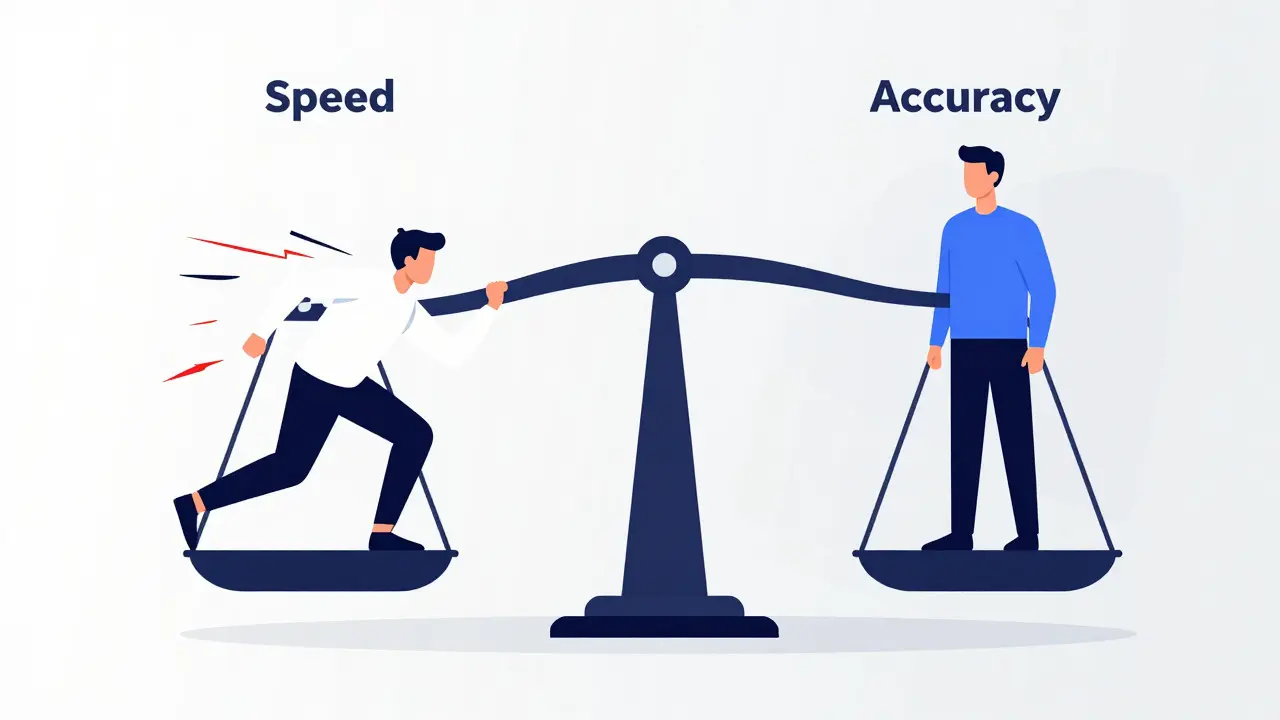
The biggest mistake new editors make is treating Wikipedia like a blog. In a blog, you write what you think is true right now. On Wikipedia, you record what reliable sources have already confirmed. During breaking events, the urge to be first is strong. You see a tweet from a reporter saying "Sources say..." and you immediately type it into the lead section. That’s a red flag. Until a reputable outlet like the Associated Press or Reuters confirms the story, it remains unverified. Adding speculative details often leads to reverts, which can discourage you from editing again. Instead, wait for the second confirmation. It takes only a few minutes, but it saves hours of arguing in talk pages later. Remember, Wikipedia isn’t about being the fastest; it’s about being the most accurate record of consensus reality.
Misunderstanding Neutral Point of View
Neutral Point of View (NPOV) is one of Wikipedia’s core content policies, requiring articles to represent all significant views fairly, proportional to their prominence, and give due weight to each. In breaking news, NPOV gets tricky because public opinion is still forming. Editors often inject their own emotions by using loaded language. For example, calling a protest "chaotic" instead of "large-scale" adds a subjective layer that violates NPOV. Another common slip is giving disproportionate space to one side of a conflict. If a government denies a claim, and independent witnesses support it, both perspectives need balanced coverage. Don’t assume that because a source is official, it’s automatically more important than independent verification. Check multiple angles before locking in the text. This balance prevents accusations of bias, which are the most common reason for disputes in volatile topics.
Sourcing Errors and Citation Gaps
You might think, "I saw it on the news," but that doesn’t count as a citation. Every factual claim needs a link to a reliable source. During fast-moving events, editors often forget to add these links immediately, assuming they’ll come back later. They usually don’t. Without citations, other editors may remove your changes as unsourced. Worse, if you cite a social media post without noting it’s primary material, you risk introducing hearsay. Always use secondary sources-newspapers, academic journals, or official press releases-for context. If you must use a primary source, label it clearly. Also, watch out for paywalls. If a source requires login, verify it’s accessible to readers. Broken or inaccessible links weaken the article’s credibility and invite criticism from the community.
Edit Wars and Community Conflict
When two editors disagree on how to phrase a developing event, an edit war can erupt. This happens when users repeatedly revert each other’s changes without discussion. To avoid this, always check the page history before making big changes. If someone else just edited the same section, leave a polite note on their user talk page explaining your reasoning. Use the "Talk" tab to propose changes rather than forcing them directly into the article. Most conflicts stem from poor communication, not bad faith. By engaging early, you turn potential enemies into collaborators. If a dispute does arise, tag it for mediation instead of escalating. The goal is consensus, not victory.
Vandalism and Good Faith Assumptions
Not every change is malicious, but some are careless. Vandalism ranges from obvious jokes to subtle distortions. New editors sometimes assume good intent too broadly, leaving minor errors uncorrected until they spread. Conversely, experienced editors can be overly aggressive, reverting legitimate updates without checking sources. Strike a balance. Use the "Watchlist" feature to monitor key articles during crises. Set up alerts for specific topics so you’re notified of changes in real time. When you spot an error, fix it calmly with a clear edit summary like "Fixed typo per AP style." This transparency builds trust within the community and helps maintain the integrity of the article over time.
| Mistake | Why It Happens | Best Practice |
|---|---|---|
| Adding unverified claims | Pressure to be first | Wait for secondary confirmation |
| Using biased language | Emotional investment in topic | Stick to neutral, factual phrasing |
| Missing citations | Rushing to save edits | Add reliable links before saving |
| Ignoring talk pages | Focusing only on article text | Discuss changes before implementing |
| Over-reverting edits | Assuming bad faith | Check history and communicate politely |
Structural Pitfalls in Article Layout
Even if your facts are correct, poor structure can hurt readability. During breaking news, editors often cram too much detail into the lead paragraph. The lead should summarize the event, its significance, and current status in three to five sentences. Detailed timelines, background, and reactions belong in separate sections. If you bury critical information under layers of context, readers will miss it. Also, keep the "Current Status" section updated. As events evolve, move outdated info to the "History" section. This keeps the top of the article fresh and relevant. Consistent formatting matters too. Use standard headings and avoid custom styling that breaks mobile views. Clean structure ensures your contribution remains useful as the story develops over days or weeks.
Long-Term Maintenance and Decay
Breaking news articles often suffer from neglect once the initial frenzy dies down. Editors lose interest, and the article becomes stagnant. To prevent decay, schedule periodic reviews. Check if sources are still valid, if images need copyright tags, and if the narrative has shifted. Update the "See Also" section with related topics that emerge later. Engage with the broader community by joining relevant WikiProjects, such as the Current Events Portal or specific topic groups. These communities provide ongoing support and feedback. By treating the article as a living document rather than a one-time task, you ensure it remains a trusted reference long after the news cycle moves on.
Practical Checklist for Safe Edits
Before you hit save on any breaking news update, run through this quick mental checklist:
- Is the fact confirmed by at least two independent reliable sources?
- Does the language remain neutral and free of adjectives like "shocking" or "disastrous"?
- Are all citations linked and accessible?
- Have I checked the talk page for recent discussions?
- Is the edit summary clear and descriptive?
- Does the change fit the existing structure of the article?
If you answer yes to all these, you’re ready to contribute confidently. If not, take a step back, gather more data, and try again. Patience pays off in the world of collaborative knowledge.
How many sources do I need for breaking news?
Generally, two independent reliable sources are sufficient for major facts. For controversial or disputed claims, aim for three or more to establish consensus. Primary sources can supplement but rarely replace secondary reporting for context.
Can I use social media posts as sources?
Yes, but only as primary sources for specific facts, like a direct quote or a visible action. Avoid using them for interpretation or analysis. Always pair them with secondary coverage from established news outlets to provide context and reliability.
What should I do if my edit is reverted?
Don’t panic. Read the edit summary left by the reverter. Check the talk page for discussions. If you believe your edit was correct, leave a polite comment explaining your sources and rationale. If no response comes, consider proposing the change on the talk page for broader input.
How do I handle conflicting reports?
Present both sides neutrally. Use phrases like "According to [Source A]... while [Source B] reports..." until consensus emerges. Avoid declaring one version true unless overwhelming evidence supports it. Update the article as new information clarifies the situation.
Is it okay to edit anonymously?
Yes, but creating an account is strongly recommended. Accounts help track your contributions, facilitate communication with other editors, and build reputation. Anonymous edits are harder to defend in disputes because there’s no persistent identity associated with your work.