Ever wondered why the Wikimedia Foundation is the non-profit organization that hosts and funds Wikipedia, aiming to provide free access to knowledge worldwide sometimes feels distant from the editors who keep it running? You spend hours fact-checking citations and resolving disputes, yet major decisions about the platform’s future often seem to happen in a vacuum. Understanding how the Wikimedia Board of Trustees is the governing body responsible for the strategic direction, financial oversight, and legal accountability of the Wikimedia Foundation communicates with the community is not just about curiosity-it’s about protecting your work.
The gap between volunteer editors and institutional leadership is a persistent friction point. When you understand the channels, cadence, and expectations of these communications, you can stop feeling like an afterthought and start participating as an informed stakeholder. This guide breaks down exactly how information flows from the top down, where you can inject your voice, and what actually matters when reading official announcements.
The Structure of Wikimedia Leadership
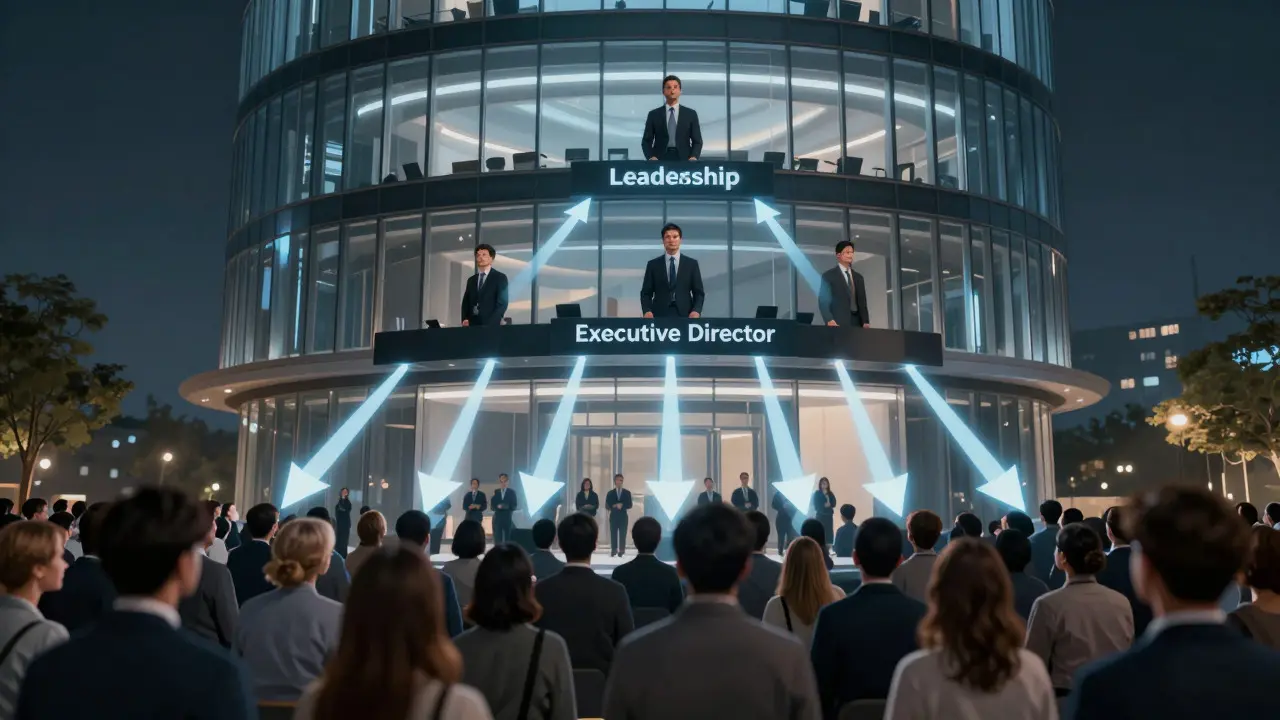
To grasp the communication dynamics, you first need to map out who is talking to whom. The hierarchy is distinct, and each role has specific responsibilities that dictate their messaging style.
- The Executive Director: Currently leading day-to-day operations, this role focuses on implementation, staff management, and executing the strategy approved by the Board. Their communications are often operational, focusing on hiring, budget execution, and immediate project updates.
- The Board of Trustees: Elected or appointed members who oversee the Executive Director. They set long-term goals (like the 2030 Strategy) and ensure legal compliance. Their communications tend to be strategic, high-level, and risk-averse.
- The Community: This includes you-the editors, administrators, and volunteers. Your feedback loop is primarily through town halls, mailing lists, and open forums.
A critical distinction is that the Board does not edit articles, nor does the Executive Director approve individual page changes. Their scope is institutional. If you’re waiting for them to fix a broken template, you’re looking at the wrong entity. However, if you’re concerned about server costs affecting uptime, or policy changes affecting account creation, that’s squarely in their lane.
Primary Channels for Official Communication
Information rarely comes in one single package. It’s scattered across several platforms, each serving a different purpose. Knowing which channel to monitor saves you time and prevents misinformation.
- Mailing Lists (wikimedia-l, etc.): These are the most direct lines to leadership. Subscribing to lists like wikimedia-l gives you raw, unfiltered updates from the Board and staff. It’s noisy, but it’s authentic.
- Meta-Wiki Announcements: The central hub for formal notices. Major policy shifts, election results, and strategic reports live here. Treat this as the official record.
- Town Halls and AMAs: Quarterly or bi-annual events where the Executive Director and Board members answer live questions. These are less about broadcasting news and more about gauging community sentiment.
- Project-Specific Pages: For initiatives like the Universal Code of Conduct or the Editing Experience Project, dedicated pages on Meta-Wiki host detailed timelines and feedback summaries.
Pro tip: Don’t rely solely on social media. While the Wikimedia Foundation maintains active Twitter/X and Facebook accounts, these are curated highlights. The depth of context usually resides in the longer-form posts on Meta-Wiki or the mailing lists.
Decoding the Language: What Leaders Actually Mean
Institutional communication often uses passive voice and hedging language. As an editor, you need to translate this into actionable insights. Here’s a cheat sheet for common phrases used by Wikimedia leadership and what they typically signal.
| Phrase Used by Leadership | Likely Underlying Meaning | Actionable Takeaway for Editors |
|---|---|---|
| "We are exploring options..." | No decision has been made; internal debate is ongoing. | Don’t panic. Wait for a concrete proposal before mobilizing opposition. |
| "Community input is being sought." | A consultation period is opening soon. | Prepare your arguments now. Early feedback carries more weight than late-stage complaints. |
| "This aligns with our 2030 Strategy." | This change is politically safe for the Board. | Check the 2030 Strategy document to see if your concern contradicts a core pillar. |
| "Technical feasibility is under review." | Engineering capacity is limited or costs are high. | Be realistic about timelines. Technical debt takes precedence over feature requests. |
Understanding these nuances helps you calibrate your reactions. If the Board says they are "exploring," pushing for an immediate vote might be counterproductive. Instead, offer data-driven support to help them decide faster.

How to Effectively Provide Feedback
Feedback is only valuable if it reaches the right people in the right format. Shouting into the void on talk pages won’t reach the Board. Here’s how to structure your input so it gets read.
1. Be Specific, Not General
Instead of saying "The site is slow," say "Mobile page load times on rural connections increased by 40% after the last cache update, based on SpeedIndex data from [Month]." Specificity forces a response because it implies a measurable problem.
2. Use the Right Forum
For strategic concerns, use the wikimedia-l mailing list or the relevant Meta-Wiki discussion page. For technical bugs, use Phabricator. Mixing these up dilutes your message. A bug report sent to the Board looks like noise; a strategic complaint filed in Phabricator gets ignored by engineers.
3. Leverage Consensus Building
The Wikimedia culture values consensus. If you have a strong opinion, link to previous discussions where similar ideas were debated. Show that your position isn’t isolated but part of a broader community trend. This reduces the perceived risk for leaders in adopting your suggestion.
4. Follow Up Gently
If you post on a mailing list and get no reply within two weeks, send a polite nudge. Institutional inboxes are crowded. A brief, respectful reminder keeps your issue visible without seeming aggressive.
Common Pitfalls in Editor-Leadership Interaction
Even well-intentioned feedback can backfire if it misses the mark. Avoid these common traps.
- Assuming Personal Responsibility: The Board makes decisions based on fiduciary duty, not personal preference. Criticizing a decision as "unfair" is less effective than explaining how it impacts sustainability.
- Ignoring the Timeline: Strategic changes take 6-18 months to implement. If you expect immediate results from a town hall question, you’ll likely feel frustrated. Set realistic expectations.
- Echo Chamber Bias: Engaging only with other editors who share your view creates a false sense of majority opinion. Leadership looks at broader data, including survey results and usage metrics, not just vocal minority opinions.
- Burnout: Constantly monitoring every announcement leads to fatigue. Pick one or two channels that matter most to your area of interest and stick to them.
Remember, the goal isn’t to control the institution, but to ensure your perspective is part of the data set they use to make decisions.
Case Study: The Universal Code of Conduct Rollout
Let’s look at a recent example: the rollout of the Universal Code of Conduct (UCoC). This initiative faced significant resistance from parts of the community due to concerns about enforcement and cultural bias.
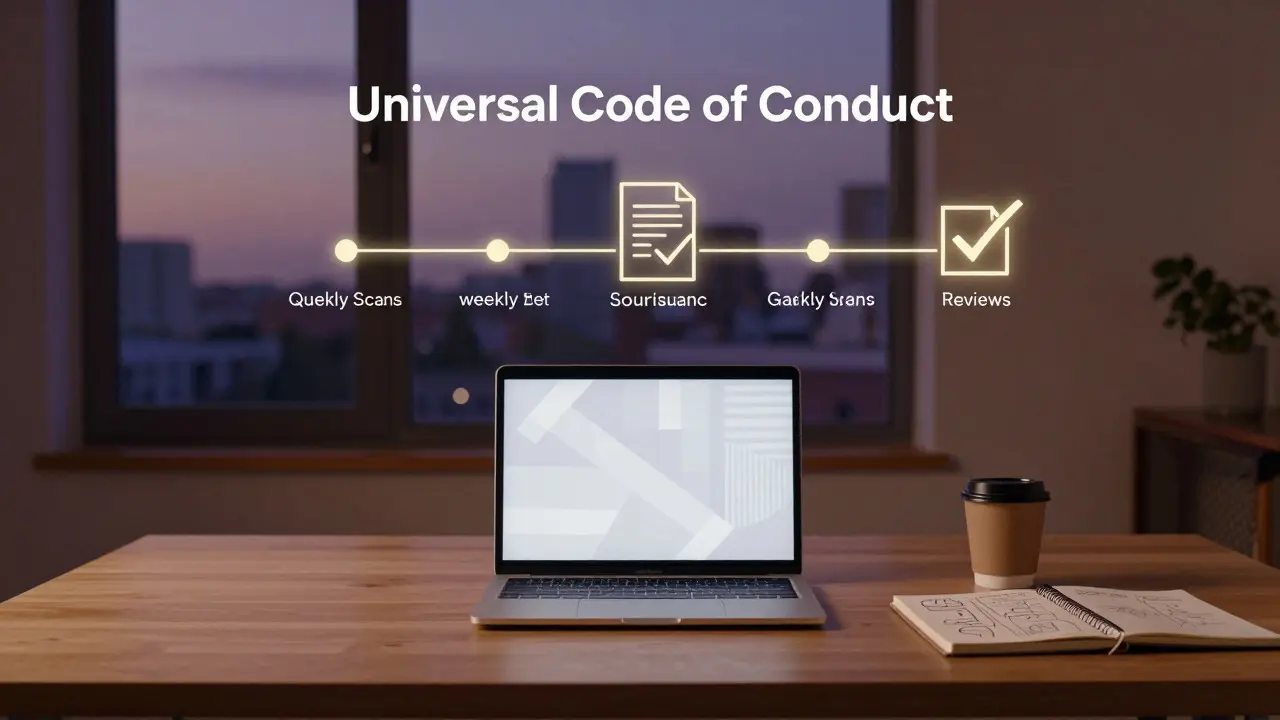
Leadership communicated through multiple phases: 1. Initial Proposal: Shared on Meta-Wiki with a clear timeline. 2. Consultation Period: Open comments collected via structured surveys. 3. Implementation Plan: Detailed steps released after analysis of feedback. 4. Launch: Final guidelines published with training resources. What worked? The transparency of the timeline. Even though many disagreed with the final outcome, few complained about the process because they knew exactly when to speak up. What didn’t work? The initial assumption that a global standard would apply uniformly without local adaptation. This mismatch highlighted the importance of early, nuanced feedback rather than late-stage objections.
For you as an editor, the lesson is clear: engage during the consultation phase. That’s when your input can shape the details. Once the implementation plan is locked, your leverage drops significantly.
Staying Informed Without Burning Out
You don’t need to track every email. Here’s a sustainable routine: - Weekly: Scan the Meta-Wiki announcements page (5 minutes). - Monthly: Read the summary of the previous month’s Board meeting minutes (10 minutes). - Quarterly: Attend or watch the recording of the Town Hall (30 minutes). - As Needed: Dive deep into specific projects affecting your editing niche. This approach keeps you informed without overwhelming your schedule. It also positions you as a thoughtful participant rather than a reactive critic.
Who elects the Wikimedia Board of Trustees?
The Board consists of both elected and appointed members. Most trustees are elected by the global community of contributors during annual elections. A few seats are reserved for individuals appointed by the Board itself or recognized experts in related fields. This hybrid model aims to balance grassroots representation with specialized expertise.
Does the CEO have veto power over Wikipedia policies?
No. The Executive Director (CEO) does not have direct veto power over content policies or editorial rules. Those are governed by community consensus on each wiki. However, the CEO can influence infrastructure-related policies (like account creation limits or API changes) through the Board’s authority over the platform’s technical framework.
Where can I find the latest strategic plans for the Wikimedia Foundation?
The current strategic framework is the "2030 Strategy." You can find detailed documents, progress reports, and annual reviews on the Meta-Wiki page dedicated to the Strategy. The Board’s annual report, published in the spring, also provides a comprehensive overview of strategic priorities and financial health.
Is there a direct way to email the Board of Trustees?
Yes, there is a public email address listed on the Wikimedia Foundation contact page. However, responses may be slower than staff emails. For urgent issues, using the wikimedia-l mailing list is often more effective because it ensures visibility among multiple stakeholders and creates a public record of your inquiry.
How often does the Board meet?
The Board typically meets in person twice a year, with additional virtual meetings held quarterly or as needed. Minutes from these meetings are published on Meta-Wiki shortly after each session, providing insight into key discussions and decisions.