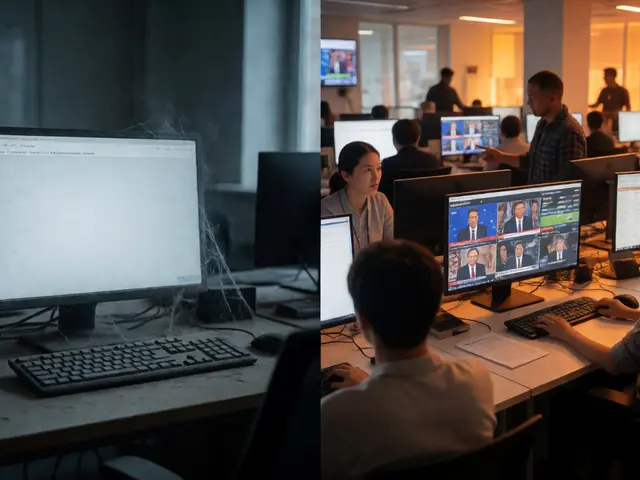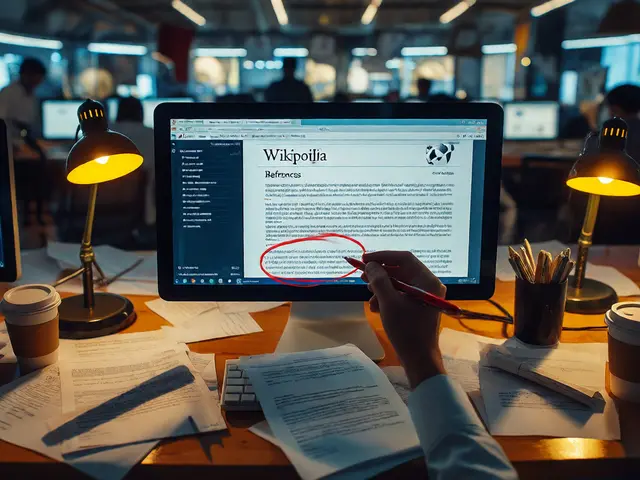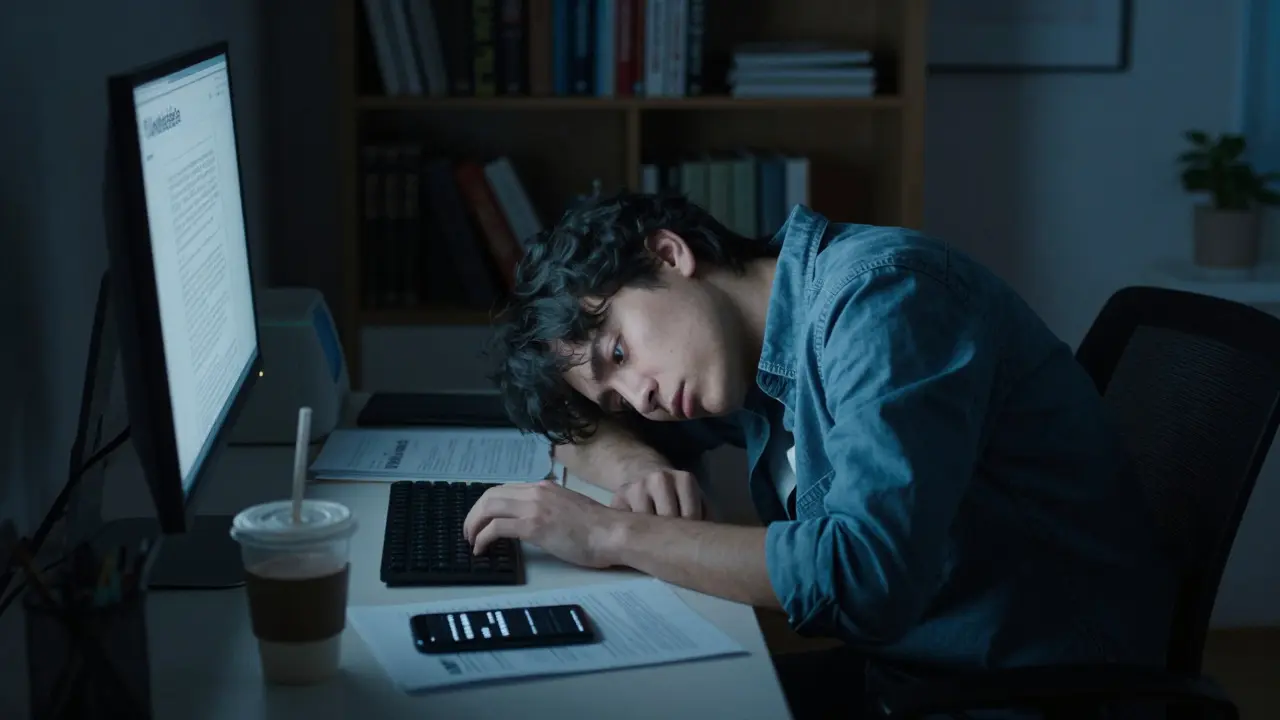
Ever tried to fix a typo on Wikipedia is a free online encyclopedia that relies entirely on unpaid volunteers to create and maintain its content. It has over 6 million English articles and serves billions of readers monthly. But behind those pages lies a quiet crisis: the people who keep it running are tired. Many long-time editors have logged off for good, leaving gaps in maintenance and moderation. This isn't just about losing a few users; it's about the structural strain of managing a global knowledge base without a payroll.
The core issue is simple but profound. You ask thousands of people to do high-stakes quality control for free, and eventually, the emotional cost outweighs the reward. We need to look at why this happens and what the community is actually doing to stop the bleeding.
Why Editors Quit: The Anatomy of Burnout
Burnout in open-source communities usually stems from three specific triggers. First is editor attrition, which refers to the rate at which active contributors stop editing for more than six months. On Wikipedia, this number has been climbing steadily since the early 2010s. Second is conflict. Unlike corporate teams with HR departments, Wikipedia disputes can become personal and public. Third is the "bus factor." If only two people know how to handle a specific type of vandalism or policy debate, and one leaves, the system stalls.
Consider the experience of a typical administrator. They might spend four hours a day checking diffs (changes) to ensure no misinformation slips through. If they make a mistake, it gets flagged in a public forum. There is no manager to shield them from criticism. Over time, this constant exposure leads to exhaustion. It’s not that they don’t care anymore; it’s that the effort-to-reward ratio becomes unsustainable.
| Factor | Wikipedia Context | Corporate Context |
|---|---|---|
| Compensation | None (Volunteer) | Salaried + Benefits |
| Conflict Resolution | Public forums, consensus-based | Private HR mediation |
| Feedback Loop | Immediate, often negative | Periodic performance reviews |
| Exit Barrier | Low (just stop logging in) | High (notice period, severance) |
The Data Behind the Decline
Numbers tell a stark story. While total page views continue to rise, the number of active editors (those making 5+ edits per month) has plateaued or dipped in several major language editions. In the English edition, which is the largest, we saw a significant drop in new user retention between 2015 and 2023. Many newcomers arrive, get confused by the complex interface, receive a warning from an admin, and never return.
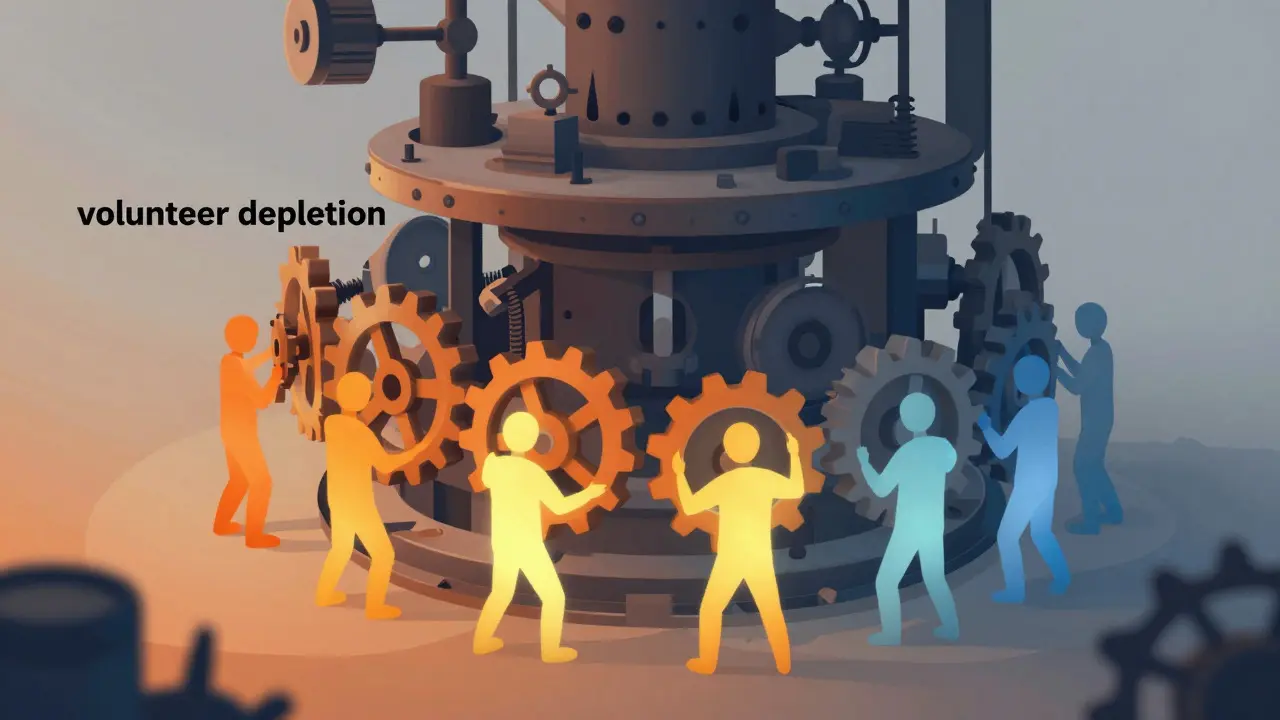
This creates a vicious cycle. Fewer new editors means existing veterans must cover more ground. As they burn out and leave, the remaining load increases for the rest. This phenomenon is known as "volunteer depletion." It suggests that simply recruiting more people isn't enough if the environment remains hostile to beginners.
Structural Barriers: Why It's Hard to Stay
It’s not just attitude; it’s design. The editing interface on Wikipedia has historically been intimidating for non-technical users. The difference between the visual editor and the underlying wikitext code confuses many. When a new user makes a small edit and it gets reverted without explanation, they feel unwelcome. This friction drives away potential contributors before they ever develop a habit.
Additionally, the governance structure is complex. Policies like "Notability" or "Neutral Point of View" are debated endlessly. For a casual contributor, understanding these rules feels like learning a new legal framework. If you want to add a fact about a local historical figure, you might spend more time arguing about their significance than writing the article itself. That cognitive load is a major driver of attrition.
How the Community Is Responding
The Wikimedia Foundation is the non-profit organization that hosts Wikipedia and provides technical infrastructure has launched several initiatives to combat this. One key strategy is improving the onboarding experience. They are testing simpler editing tools that hide the complexity of wikitext while allowing power users to switch back when needed.
Another response is the push for "maintenance tasks." Instead of asking new users to write full articles, the community encourages them to fix broken links, update citations, or categorize images. These low-stakes tasks provide quick wins. When a user sees their contribution accepted immediately, they are more likely to stick around. This approach shifts the focus from creation to curation, which is less stressful but equally valuable.
Lessons from Other Open Source Projects
We aren't the only ones facing this. Linux kernel developers and Python library maintainers face similar issues. What works for them? Clear documentation and modular contributions. In software, you can contribute to a specific module without knowing the whole system. Wikipedia is trying to adopt this mindset by creating "task boards" where users can pick specific, isolated problems to solve. This reduces the feeling of being overwhelmed by the entire encyclopedia.
Also, mentorship programs are gaining traction. Pairing new editors with experienced mentors for their first month significantly boosts retention. A human guide makes a huge difference compared to reading a manual. This social connection transforms a transactional act of editing into a community membership.

What Readers Can Do
You don't need to be an expert to help. If you value accurate information, consider becoming a "patrol editor." This role involves reviewing recent changes to catch obvious errors. It requires less creativity but offers immediate satisfaction. Alternatively, you can support the Wikimedia Endowment is a financial vehicle designed to secure the long-term sustainability of the Wikimedia projects through donations. Stable funding allows the foundation to hire staff for developer roles, reducing the burden on volunteers for technical fixes.
Every action helps reduce the pressure on the core group of administrators. By distributing the workload, we lower the risk of burnout for those who have kept the lights on for decades.
Frequently Asked Questions
Is Wikipedia going to shut down due to lack of editors?
Unlikely in the short term. The platform is stable, and automation handles many routine tasks. However, quality may decline if critical niche topics lose their dedicated maintainers. The risk is stagnation, not shutdown.
Do Wikipedia editors get paid?
Most editors are unpaid volunteers. However, the Wikimedia Foundation employs staff for development, grants, and community engagement. Some editors also work for third-party organizations that sponsor Wikipedia-related events.
What is the easiest way to start contributing to Wikipedia?
Start with "small fixes." Look for articles with red links or missing references. Use the visual editor to make minor corrections. Avoid controversial topics initially. Join a local Wikiproject to find a supportive community.
Why do so many new editors quit after their first week?
Often due to reversion without explanation. If your edit is undone, check the edit summary. If it’s unclear, ask politely on the talk page. Newcomers frequently interpret silence or strictness as hostility, leading to early exit.
How does burnout affect article quality?
When veteran editors leave, oversight decreases. This can lead to increased vandalism or subtle bias creeping into articles. Maintenance tasks pile up, causing a backlog that discourages even remaining editors from participating.