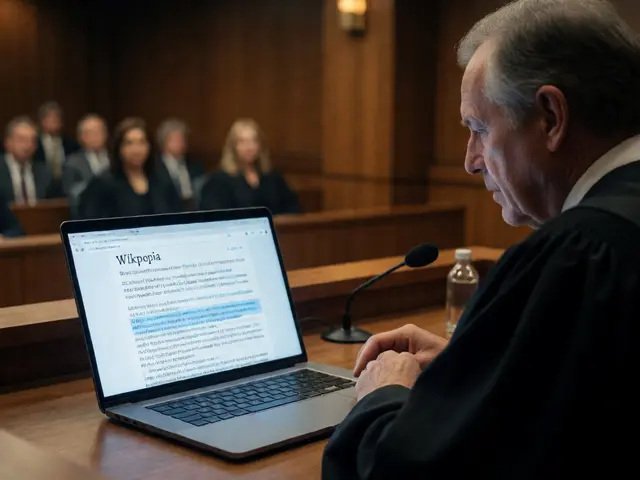
Every week, Wikipedia quietly honors someone who didn’t just edit a page-they changed how we understand a topic. No trophy. No paycheck. Just a small badge on their user page and a notice on the English Wikipedia’s main page. This is the Editor of the Week recognition, and it’s one of the most meaningful awards in the digital world.
What Is the Editor of the Week?
The Editor of the Week is a community-driven honor given by Wikipedia’s volunteer editors. It’s not awarded by staff or bots. It’s chosen by fellow contributors who notice someone going above and beyond: fixing years of misinformation, expanding a neglected article, or translating content into languages that rarely get attention. The selection is made through a nomination process on Wikipedia’s community portal, where editors share stories of others’ work.
Winners aren’t always the most prolific. Some have made 50,000 edits. Others have made 500-but every one of them mattered. One winner spent six months rebuilding an article on Indigenous land rights using only primary sources from tribal archives. Another spent nights correcting medical misinformation in articles about rare diseases after a family member was misdiagnosed.
How Are Winners Chosen?
There’s no formal application. You can’t nominate yourself. Instead, any registered editor can submit a nomination on the Editor of the Week page by explaining why someone’s work stood out. The nomination needs specific examples: links to edits, quotes from talk pages, or evidence of impact. A small group of experienced editors reviews submissions weekly and picks one.
Criteria are simple but strict:
- Significant improvement to content quality
- Work that benefits readers, not just the editor’s personal interest
- Collaborative spirit-no edit wars or personal agendas
- Consistency over time, not just one big edit
It’s not about how many edits you make. It’s about how much better the world is because of them.
Recent Winners and Their Impact
In the last six months, the winners have covered topics you’d never expect to see on Wikipedia’s front page. Take March 2026’s winner, user Wikipedian2014. They spent 18 months expanding the article on African oral history traditions, adding over 400 citations from university archives, interviews with griots, and digitized manuscripts from libraries in Mali and Senegal. Before their work, the article was a single paragraph. Now it’s a 12-section resource used by high school curricula across West Africa.
February’s winner, KathrynL, focused on climate data visualization. She created a series of annotated diagrams showing how local temperature records from rural weather stations matched global trends. Her edits helped fix misleading claims in articles about climate denial, and her work was later cited by the Intergovernmental Panel on Climate Change in a public outreach document.
January’s honoree, Miguel_Ar, didn’t write a single new article. Instead, they fixed over 2,000 broken links in articles about Latin American literature. Many of those links were to out-of-print books, and they replaced them with digitized versions from the HathiTrust Digital Library. That single effort made 147 articles usable again.

Why This Matters
Wikipedia isn’t just a website. It’s one of the most visited sources of information on the planet. Over 1.5 billion people visit it each month. And behind every article, there’s a real person-often working alone, unpaid, and without recognition.
The Editor of the Week recognition matters because it reminds us that knowledge isn’t created by algorithms. It’s built by people who care enough to check sources, correct errors, and listen to others. It’s a quiet rebellion against the idea that information should be owned, monetized, or controlled.
When someone wins, they’re not just being praised. They’re showing others that good work doesn’t go unnoticed-even if it’s on a site that doesn’t pay for it.
How to Get Noticed
If you’re editing Wikipedia and wondering if anyone sees your work, the answer is yes. You don’t need to be famous. You don’t need to edit daily. You just need to be thoughtful.
Here’s what successful contributors do:
- Focus on underrepresented topics. Articles about local history, minority languages, or non-Western science are often neglected.
- Use reliable sources. Cite academic journals, government reports, or primary documents-not blogs or news sites.
- Engage on talk pages. If someone disagrees with your edit, respond respectfully. Collaboration matters more than being right.
- Help others. Review new edits, fix typos in articles you didn’t write, and leave encouraging comments.
- Be consistent. One great edit won’t get you noticed. A pattern of quiet, reliable work will.
Wikipedia’s community doesn’t reward volume. It rewards integrity.
What Happens After You Win?
Winners get a small badge on their user page and a notice on the English Wikipedia main page. That’s it. No money. No press release. No social media campaign.
But something else happens. Other editors start noticing. New contributors reach out to ask for advice. Schools and nonprofits begin citing the winner’s articles as teaching tools. In some cases, universities invite them to speak about their work-even though they’re not academics.
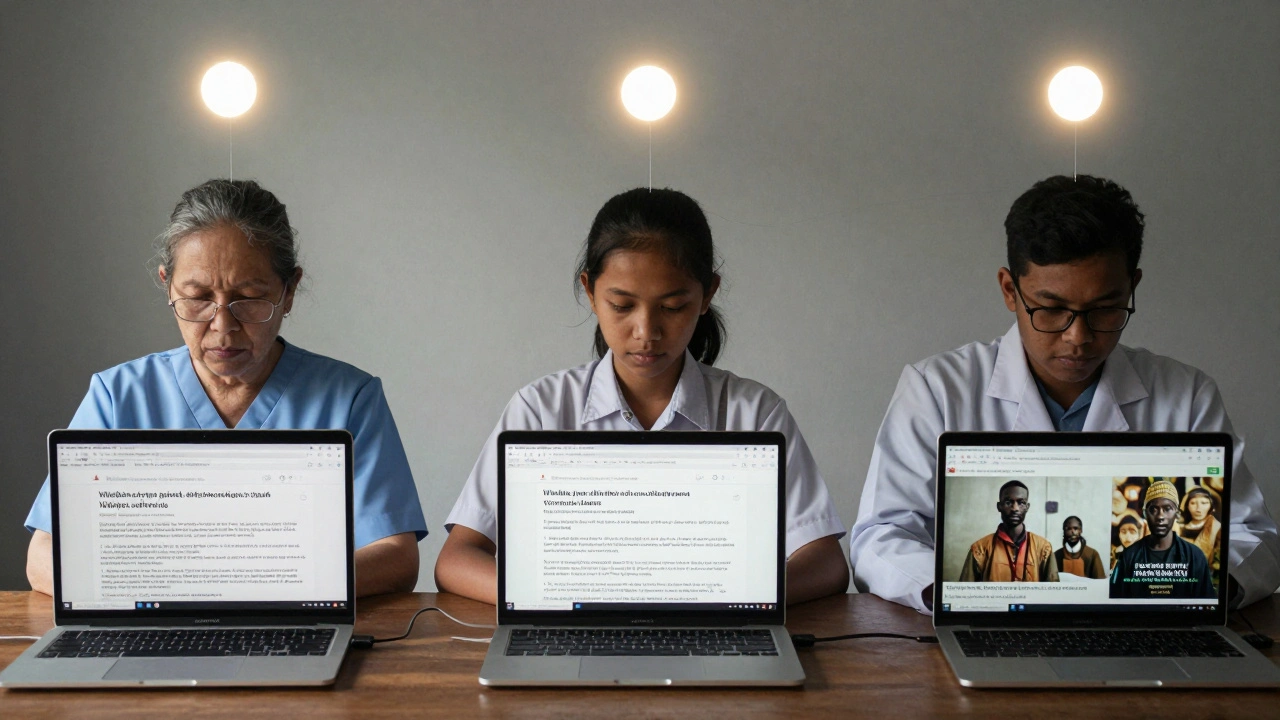
One winner, a retired nurse from Ohio, had her edits on medication safety for seniors adopted by a state health department. Another, a high school student in Indonesia, inspired over 200 new editors to join Wikipedia’s Indonesian-language project.
The recognition doesn’t change the editor. But it changes the people around them.
What This Says About Wikipedia
Wikipedia survives because of its community. Not because of technology. Not because of funding. But because people choose to show up, week after week, to fix what’s broken.
The Editor of the Week isn’t a prize. It’s a mirror. It shows us what’s possible when knowledge is treated as a public good. When someone spends hours correcting a single sentence about a forgotten war, they’re not just editing a page. They’re preserving memory.
And that’s why it matters.
Who selects the Wikipedia Editor of the Week?
The Editor of the Week is selected by a small group of experienced Wikipedia volunteers who review nominations submitted by other editors. There is no staff involvement. Nominations are open to any registered user, and selections are based on the quality, impact, and collaborative nature of the edits.
Can I nominate myself for Editor of the Week?
No, self-nominations are not allowed. The system is designed to recognize peer acknowledgment. Someone else must submit your name with specific examples of your work. This ensures the honor reflects community respect, not self-promotion.
Do Editor of the Week winners get paid or receive prizes?
No. The recognition is purely symbolic. Winners receive a digital badge on their user page and a mention on Wikipedia’s main page. There are no monetary rewards, certificates, or official events. The value lies in peer recognition and the lasting impact of their contributions.
How often is the Editor of the Week chosen?
One editor is chosen every week, with rare exceptions due to holidays or low nominations. The program has run continuously since 2006, making it one of the longest-running community recognition systems on Wikipedia.
What kinds of edits earn recognition?
Recognition goes to edits that significantly improve accuracy, depth, or accessibility of content. This includes expanding underdeveloped articles, correcting systemic bias, translating content into underrepresented languages, adding primary sources, or fixing persistent misinformation. The key is lasting impact, not quantity.