
Imagine trying to explain the concept of "snow" to someone who has never seen it. Now imagine doing that in a language where there are forty distinct words for different types of snow, but no dictionary exists to define them. This is the reality for many Indigenous languages minority languages spoken by communities with deep cultural ties to specific geographic regions, often at risk of extinction due to globalization and assimilation policies. For decades, these languages existed primarily in oral traditions or scattered community archives. Today, they are finding a permanent home on one of the most visited websites in the world: Wikipedia a free, multilingual online encyclopedia operated by the Wikimedia Foundation, containing over 60 million articles in more than 300 languages. The presence of Indigenous languages on Wikipedia is not just a technical achievement; it is a vital act of cultural preservation. When a language gains an entry on this platform, it signals to the world that the language is valid, useful, and worthy of documentation. This article explores how the intersection of open-source technology and community-driven linguistics is helping to save endangered tongues from silence.
The Scale of Linguistic Loss and the Digital Response
To understand why this matters, we need to look at the numbers. The United Nations estimates that half of the world's approximately 7,000 languages will disappear by the end of this century. Most of these are Indigenous languages. The loss is not just about vocabulary; it is about unique ways of thinking, ecological knowledge, and historical memory. For example, the Māori language the Polynesian language of New Zealand, which underwent a significant revival in the late 20th century through education and media initiatives had fewer than 50,000 speakers in the 1980s. Through concerted efforts, including digital integration, it now has over 150,000 speakers and is taught in schools nationwide. Digital platforms offer a scalable solution to this crisis. Unlike physical books, which can rot or be lost, digital text can be backed up, searched, and accessed globally. However, simply translating existing English content into Indigenous languages is not enough. It requires native speakers to create original content that reflects their own cultural context. This is where the Wikimedia Foundation a non-profit organization dedicated to promoting free access to human knowledge, best known for operating Wikipedia and related projects like Wikidata steps in, providing the infrastructure while communities provide the voice.
How Community Contributors Build Native-Language Editions
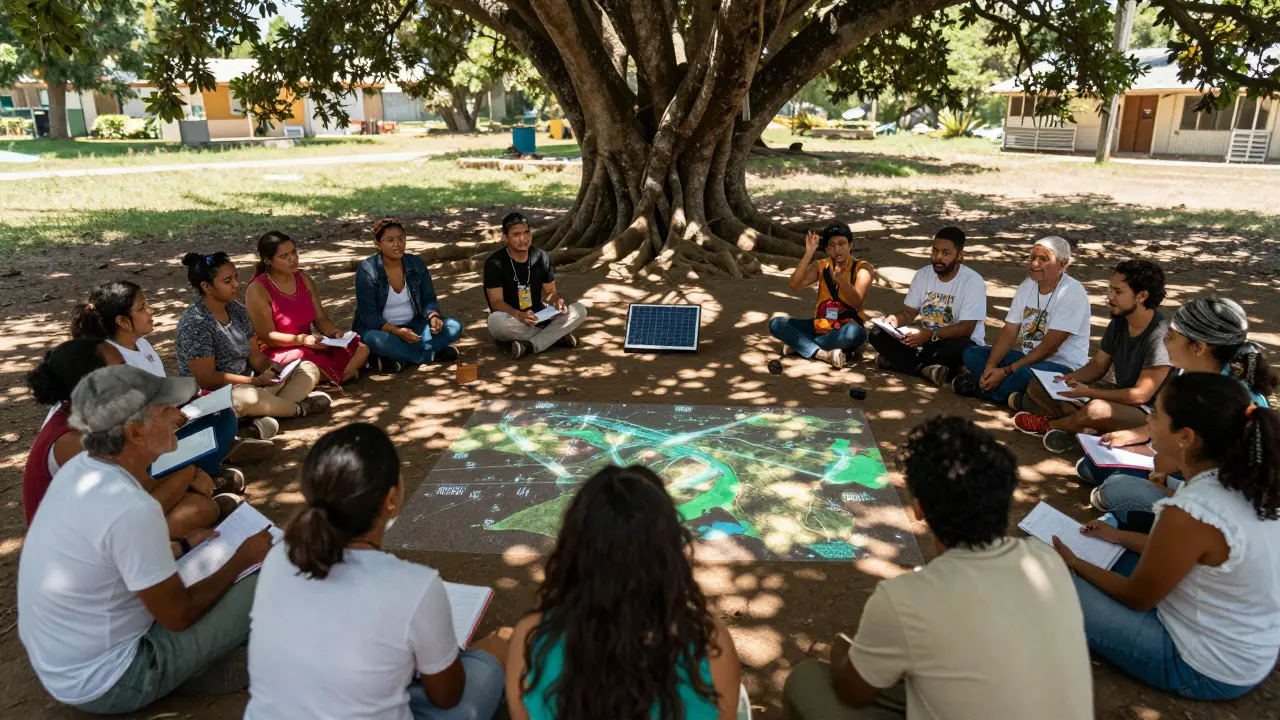
You might assume that creating a Wikipedia page in a rare language is done by professional linguists sitting in universities. In reality, it is mostly done by volunteers, teachers, and students. The process is collaborative and iterative. A contributor starts by identifying a topic relevant to their community-perhaps a local plant species, a traditional ceremony, or a historical figure. They then write the article using the specific grammar and vocabulary of their language.
This work is supported by tools designed to lower the barrier to entry. One such tool is Lingua Libre a Wikimedia project that provides audio recordings of words in various languages, helping users learn pronunciation and verify terms before writing articles. By listening to native speakers pronounce a word, contributors can ensure accuracy without needing a formal dictionary. Another critical component is the Wiktionary a free multilingual dictionary and thesaurus hosted by the Wikimedia Foundation, serving as a reference for word definitions and usage examples, which acts as a companion to Wikipedia, defining the very terms used in the encyclopedic entries.
The workflow typically looks like this:
This grassroots approach ensures that the content remains authentic. It avoids the common pitfall of "translationese," where a language sounds unnatural because it was forced into the structure of English or French.
Technical Challenges and Solutions for Low-Resource Languages
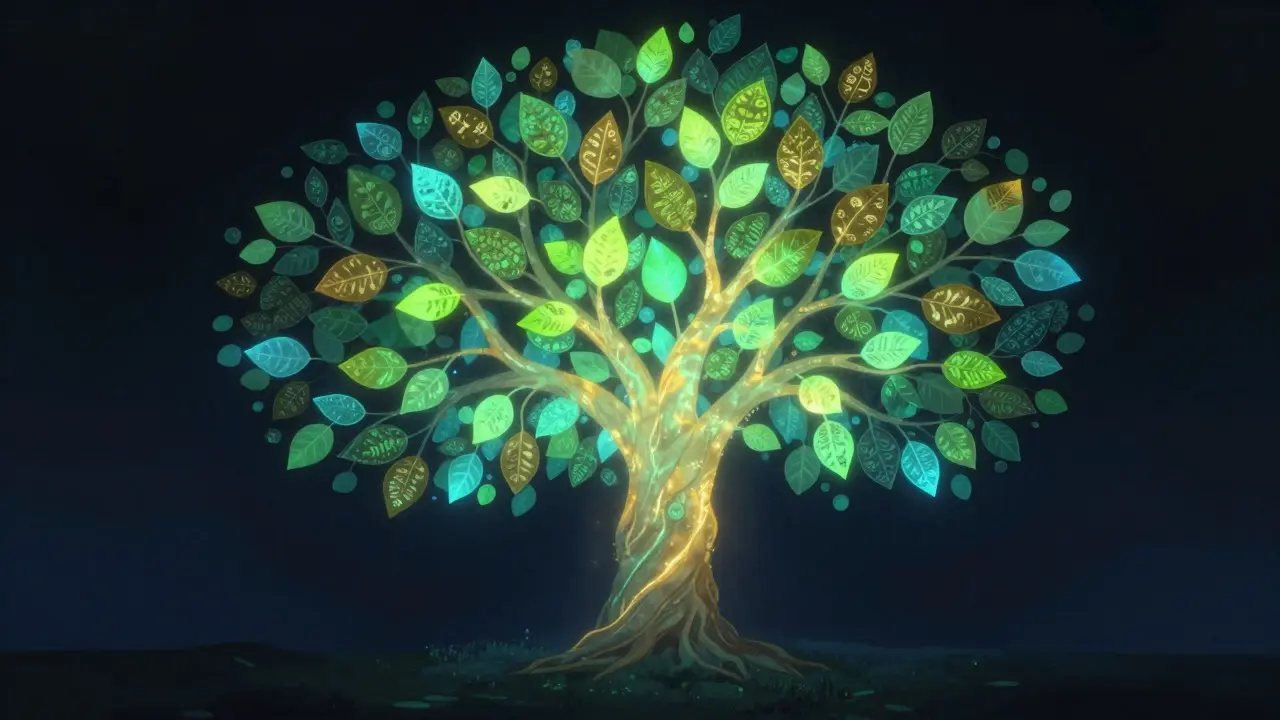
Writing in an Indigenous language on the web presents unique technical hurdles. Many of these languages use scripts that are not standard on computer keyboards, or they have complex grammatical rules that don't fit neatly into standard spell-checkers. For instance, some Amazonian languages use orthographies that include diacritics (marks above or below letters) to indicate tone or vowel length. If a user cannot type these characters easily, they will stop contributing. To solve this, the Wikimedia ecosystem has developed specialized input methods. These are software layers that allow users to type special characters using simple keyboard shortcuts. Additionally, Machine Translation the use of algorithms and statistical models to automatically translate text from one language to another, currently less accurate for low-resource languages but improving rapidly plays a growing role. While MT is still imperfect for rare languages, it serves as a bridge. An editor can read a summary of an English article in their own language, giving them a starting point to write a more nuanced, culturally appropriate version. Another major challenge is metadata. Search engines rely on structured data to find information. If a word in an Indigenous language does not have a corresponding tag in a global database, it becomes invisible to search algorithms. This is where Wikidata a free, open knowledge base that works with Wikipedia and other Wikimedia projects, providing structured data about entities like people, places, and concepts comes into play. By linking a term in an Indigenous language to its equivalent in Wikidata, editors ensure that the concept is recognized globally. For example, if the Quechua word for "condor" is linked to the Wikidata entity for the Andean condor, any search for the bird across all languages will eventually lead back to the Quechua article.
Case Studies: Success Stories from Around the World
The impact of these efforts is visible in several success stories. Let’s look at three distinct examples that highlight different aspects of this movement. New Zealand: The Māori Revival The Māori Wikipedia edition is one of the most mature examples of an Indigenous language presence on the platform. With over 40,000 articles, it serves as a primary educational resource for students in New Zealand. The success here is tied to government policy; Māori is an official language of the country, and digital inclusion was part of a broader national strategy. The existence of a robust Māori Wikipedia encourages younger generations to see their language as modern and technological, not just traditional. Norway: Sami Language Integration The Sami people of northern Scandinavia speak several variants of the Sami language. The Northern Sami Wikipedia has been instrumental in preserving terminology related to reindeer herding and Arctic ecology. Because the Sami region has strong internet connectivity and government support for minority languages, the digital archive has become a de facto library for rural communities. It bridges the gap between remote villages and urban centers, ensuring that cultural knowledge flows both ways. India: Dravidian and Tribal Languages In India, the situation is more complex due to the sheer number of languages. While major Indian languages like Hindi and Tamil have large Wikipedia editions, smaller tribal languages face greater challenges. However, initiatives focused on languages like Khasi and Mizo have shown promise. These efforts are often led by university students who see Wikipedia as a way to validate their mother tongue in academic settings. The focus here is heavily on etymology and linguistic classification, making the articles valuable for researchers as well as general readers.
| Language | Region | Approx. Articles | Key Focus Areas | Primary Driver |
|---|---|---|---|---|
| Māori | New Zealand | 40,000+ | Education, History, Culture | Government Policy & Schools |
| Northern Sami | Norway/Sweden/Finland | 10,000+ | Ecology, Reindeer Herding | Regional Autonomy & Tech Access |
| Quechua | Peru/Bolivia/Ecuador | 5,000+ | Agriculture, Mythology | Community Activism |
| Hawaiian | United States | 3,000+ | Marine Biology, Navigation | Immersion Schools |
The Role of AI and Future Outlook
As we move further into the 2020s, artificial intelligence is changing the landscape of language preservation. Large Language Models (LLMs) are being trained on datasets that include more diverse languages, though bias against low-resource languages remains a concern. The goal is not to replace human editors but to assist them. Imagine a system that suggests corrections based on patterns found in thousands of existing articles, or a tool that automatically generates inter-language links when a new term is defined. However, technology is only a tool. The heart of this movement remains human connection. When a grandmother teaches her grandchild to write a Wikipedia article about a traditional weaving pattern, she is not just documenting a craft; she is asserting that her culture belongs in the digital age. This assertion is powerful. It challenges the notion that global knowledge is synonymous with Western-centric knowledge. Looking ahead, we can expect to see more integration between Wikipedia and mobile-first platforms. Since many Indigenous communities may not have desktop computers but do have smartphones, optimizing the editing experience for mobile devices is crucial. Features like voice-to-text in Indigenous languages could dramatically increase participation rates, allowing elders who may struggle with typing to contribute their oral histories directly into the digital archive.
Frequently Asked Questions
Do I need to be fluent in an Indigenous language to edit its Wikipedia?
Ideally, yes. Fluency ensures grammatical correctness and cultural nuance. However, many projects welcome semi-speakers or learners who work under the supervision of fluent editors. The community review process helps catch errors, so you don't have to be perfect to start contributing.
Are Indigenous language Wikipedias reliable sources?
They are generally considered reliable within their specific cultural contexts. Like all Wikipedia editions, they rely on cited sources. However, because many Indigenous cultures have rich oral traditions, citations may sometimes refer to community consensus or elder testimony rather than just printed books. Readers should treat them as primary sources for cultural understanding.
How does machine translation help preserve these languages?
Machine translation helps by lowering the barrier to reading. If a speaker can quickly understand a summary of an English article in their own language, they are more likely to engage with the content and potentially improve it. It also helps build parallel corpora (pairs of translated texts), which are essential for training better AI models in the future.
What is the biggest threat to Indigenous language Wikipedias?
The biggest threat is lack of maintenance. If a language loses its young speakers to urban migration or economic pressure, the pool of active editors shrinks. Without new contributors, articles become outdated, and the site may stagnate. Sustaining interest among youth is critical for long-term survival.
Can I support these projects without speaking the language?
Yes. You can donate to the Wikimedia Foundation, which supports server costs and development. You can also help with technical tasks, such as fixing broken links or improving the user interface for specific scripts. Additionally, sharing information about these projects on social media helps raise awareness and attracts new contributors.