Ever wonder why certain Wikipedia pages pull in millions of views while others sit in the dark? It’s not just luck. The Wikipedia featured articles program is the engine behind the site’s most popular entries. These aren’t just good pages; they are the gold standard of collaborative writing. If you’ve ever clicked on a trending topic and found yourself reading for twenty minutes straight, you were likely looking at a featured article. Understanding how these pieces rise to the top reveals a lot about what makes online information stick.
Wikipedia is often criticized for being an open source project where anyone can edit. But that very openness creates a rigorous filtering system. To become a featured article, a page must pass through a gauntlet of peer review. Editors check every fact, cite reliable sources, and ensure the writing flows naturally. This process takes months, sometimes years. When you see a "Featured Article" badge next to a title, it means hundreds of volunteers have already done the heavy lifting for you. You get accuracy without the effort of cross-referencing ten different sites.
The Gatekeepers: What Makes an Article "Featured"?
Not every well-written page qualifies. The criteria are strict, almost obsessive. An article must be comprehensive, balanced, and stable. Let’s break down what that actually looks like in practice.
- Comprehensive: It covers the topic thoroughly. If it’s about a historical event, it doesn’t just list dates; it explains causes, effects, and multiple perspectives.
- Balanced: No single viewpoint dominates. For controversial topics, the article presents evidence from all major sides fairly.
- Stable: The content isn’t constantly changing due to disputes. It has reached a consensus among editors.
- Readable: The prose is clear. Jargon is explained. Sentences are short enough to keep your attention but complex enough to convey nuance.
This high bar ensures that when a user lands on a featured page, they trust the information instantly. That trust drives return visits. People bookmark these pages. They share them on social media. This network effect is why featured articles consistently top the "Most Viewed" lists. They are the anchor points of the encyclopedia.
Why Featured Articles Dominate Daily Traffic
You might think viral news stories drive the most views. And they do, temporarily. But featured articles have staying power. Consider a page about a famous scientist or a major war. News cycles move on, but the fundamental interest in these subjects remains constant. Because the featured version is the best version available, it captures the long-tail search traffic.
Search engines love this structure too. Google favors pages with high dwell time and low bounce rates. Featured articles achieve both. Readers stay longer because the content is deep. They don’t bounce because the information answers their question completely. This signals to algorithms that the page is valuable, boosting its ranking further. It’s a virtuous cycle: quality leads to visibility, which leads to more readers, which validates the quality.
There is also a psychological component. Humans prefer authoritative sources. In a sea of conflicting blog posts and forum threads, a Wikipedia featured article feels like a safe harbor. It’s neutral, cited, and polished. For students, researchers, and curious minds alike, it’s the default starting point. That default status guarantees a baseline of daily views that no other platform matches.

The Role of Community Curation
Behind every featured article is a community. Wikipedia operates on a meritocracy of editing. The people who maintain these top-tier pages are often subject matter experts-historians, scientists, engineers-who volunteer their time. They don’t just add facts; they curate the narrative. They decide what details matter and what noise to cut.
This curation process is invisible to the reader, but it’s critical. Imagine trying to write a biography of a celebrity. You’d have thousands of sources. Which quotes do you use? Which scandals are relevant? Which achievements define their legacy? A featured article editor makes those calls based on consensus. The result is a coherent story rather than a data dump. This coherence is what keeps readers engaged. It transforms raw data into knowledge.
Moreover, the community polices itself. If a new editor tries to inject bias or uncited claims, the veteran editors spot it quickly. Reverts happen fast. This self-correction mechanism keeps the quality high over time. It’s rare to find a platform where the collective intelligence works this smoothly, especially one with zero paid staff managing the content pipeline.
Quality vs. Quantity: The Trade-off
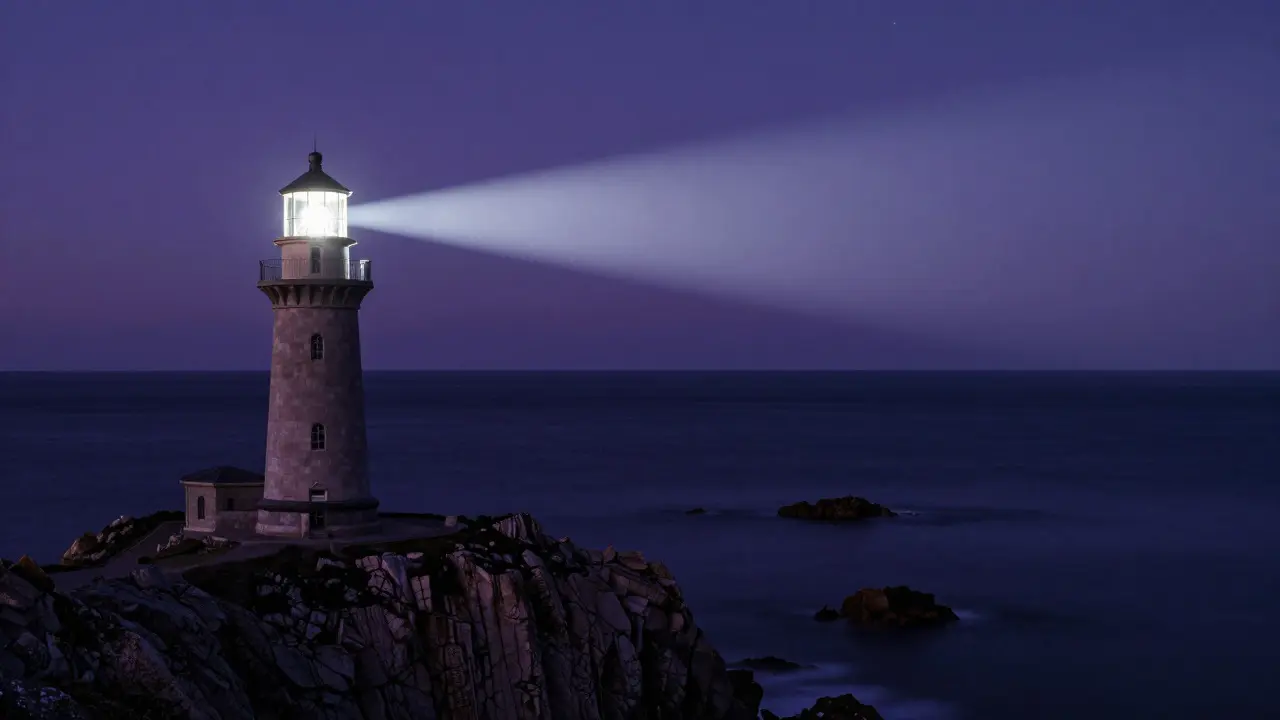
Some critics argue that focusing on a few perfect articles ignores the vast majority of mediocre ones. And they’re right. Millions of Wikipedia pages are stubs or poorly sourced. But the strategy isn’t to fix everything at once. It’s to create lighthouses. The featured articles serve as benchmarks. They show readers what good looks like. They set the tone for the entire site.
From a business perspective, if we view Wikipedia as a product, the featured articles are the flagship models. You don’t judge the whole brand by the entry-level items. You judge it by the premium tier. When users encounter a featured article, their perception of the entire platform improves. They assume the rest is decent, even if it’s not. This halo effect is powerful. It builds loyalty and reduces churn.
For writers and editors, the lesson is clear. Depth beats breadth. A single, meticulously crafted piece will outperform ten half-baked ones. This principle applies beyond Wikipedia. Whether you’re writing for a blog, a manual, or a report, the highest value comes from thoroughness and clarity. Don’t try to cover everything. Cover one thing perfectly.
| Attribute | Standard Article | Featured Article |
|---|---|---|
| Review Process | Minimal or none | Rigorous peer review by multiple editors |
| Citations | Inconsistent, often missing | Extensive, reliable, and verified |
| Writing Style | Varies, often dry or disjointed | Polished, engaging, and consistent |
| Traffic Volume | Low to moderate | High, consistent daily views |
| User Trust | Mixed, requires verification | High, accepted as authoritative |
How Readers Can Leverage Featured Content
If you’re using Wikipedia for research, start with the featured articles. They provide the skeleton of the topic. From there, follow the citations to primary sources. This method saves hours. Instead of wandering through unreliable secondary sources, you jump straight to the evidence. It’s a shortcut that respects your time.
For students, featured articles are excellent study guides. They summarize complex topics into digestible chunks. Use them to understand the big picture before diving into textbooks. For professionals, they offer quick background checks on competitors, technologies, or historical precedents. The neutrality is key. You get the facts without the marketing spin.
But don’t stop there. Check the "Talk" page associated with the article. It often contains discussions about ongoing debates or recent updates. This gives you a sense of the current state of knowledge. Is the topic still evolving? Are there new discoveries? The talk page adds a layer of context that the main article can’t always capture.
The Future of Collaborative Knowledge
As AI tools change how we consume information, the role of human-curated content becomes more important, not less. Algorithms can generate summaries, but they struggle with nuance and balance. Human editors bring judgment. They know what matters. They anticipate questions. They connect dots that machines miss.
The success of Wikipedia’s featured articles proves that scale and quality can coexist. It’s not an either/or proposition. With the right incentives and processes, a global community can produce world-class content. This model challenges the idea that only paid experts can create trustworthy information. It suggests that wisdom is distributed, not centralized.
For anyone interested in digital publishing, studying these top-viewed pages offers valuable insights. Look at their structure. Note how they handle transitions. See how they manage controversy. These are practical lessons in communication that apply anywhere. The goal is simple: make the complex understandable. Make the accurate engaging. Make the useful memorable.
Next time you land on a Wikipedia page, look for the star icon. If it’s there, take a moment to appreciate the work behind it. It’s not just text on a screen. It’s the result of thousands of hours of collaboration, debate, and refinement. It’s proof that when people come together with a shared goal, they can build something remarkable. And in a world drowning in misinformation, that’s worth more than any algorithm.
What is the difference between a Good Article and a Featured Article on Wikipedia?
A Good Article meets high standards for style, sourcing, and completeness but may lack the depth or stability required for Featured status. Featured Articles are the top tier, requiring exceptional comprehensiveness, balance, and long-term stability. They undergo a more rigorous review process and represent the absolute best of Wikipedia's content.
Why do Featured Articles get more views than regular pages?
Featured Articles attract more views because they are perceived as more authoritative and readable. Search engines rank them higher due to better user engagement metrics. Additionally, they are often promoted within Wikipedia itself, such as on the Main Page, driving internal traffic. Their quality encourages sharing and bookmarking, creating a sustained flow of visitors.
Can anyone nominate an article for Featured status?
Yes, any registered Wikipedia user can nominate an article, provided it meets the basic criteria first. However, the nomination triggers a formal review process where other editors evaluate the content against specific guidelines. Consensus is required for approval, meaning the community decides, not just the nominator.
Are Featured Articles free from errors?
While highly accurate, no article is entirely error-free. However, Featured Articles have significantly fewer errors than average pages due to continuous monitoring. Any significant changes require re-review. Minor issues are usually corrected quickly by the active community of editors who watch these pages closely.
How long does it take to become a Featured Article?
The timeline varies widely. Some articles reach Featured status in a few months if the initial draft is strong. Others take years, especially for complex or controversial topics that require extensive sourcing and debate resolution. The process is driven by volunteer availability and the complexity of the subject matter.