Ever wonder what actually happens behind the scenes of Wikipedia? It’s not just people typing facts into boxes. There is a massive, ongoing scientific effort to understand how this platform works, who uses it, and how we can make it better. If you are new to Wikipedia research is the academic study of the encyclopedia's structure, content quality, editor behavior, and impact on society., think of it as a giant laboratory where thousands of volunteers and scientists collaborate in real-time.
This newsletter highlights the most interesting recent developments in that space. We are looking at fresh papers that challenge old assumptions about how editors behave, new calls for data from the community, and practical tools that help researchers dig deeper. Whether you are a PhD student, a dedicated Wikipedian, or just curious about how knowledge is built online, these updates matter. They show that Wikipedia is not static; it is a living ecosystem that is constantly being measured, critiqued, and improved.
What Is Driving Current Wikipedia Research?
The field has shifted significantly in the last few years. Early studies focused mostly on "who edits" and "how many articles exist." Today, the focus is much more nuanced. Researchers are digging into behavioral patterns, psychological motivations, and the technical infrastructure that supports the site. This shift means that modern papers often use complex statistical models rather than simple counts.
One major driver is the rise of machine learning. Algorithms now help detect vandalism, suggest article improvements, and even predict which articles will become controversial. Another key factor is the growing interest in equity. Who is missing from Wikipedia? Why do certain topics have less coverage than others? These questions are no longer niche; they are central to the discipline. The goal is to move beyond describing the status quo and start prescribing actionable changes.
Recent Notable Papers and Their Findings
Let’s look at some specific examples of what researchers have been publishing recently. These aren't just abstract theories; they offer concrete insights that affect how we read and edit the site.
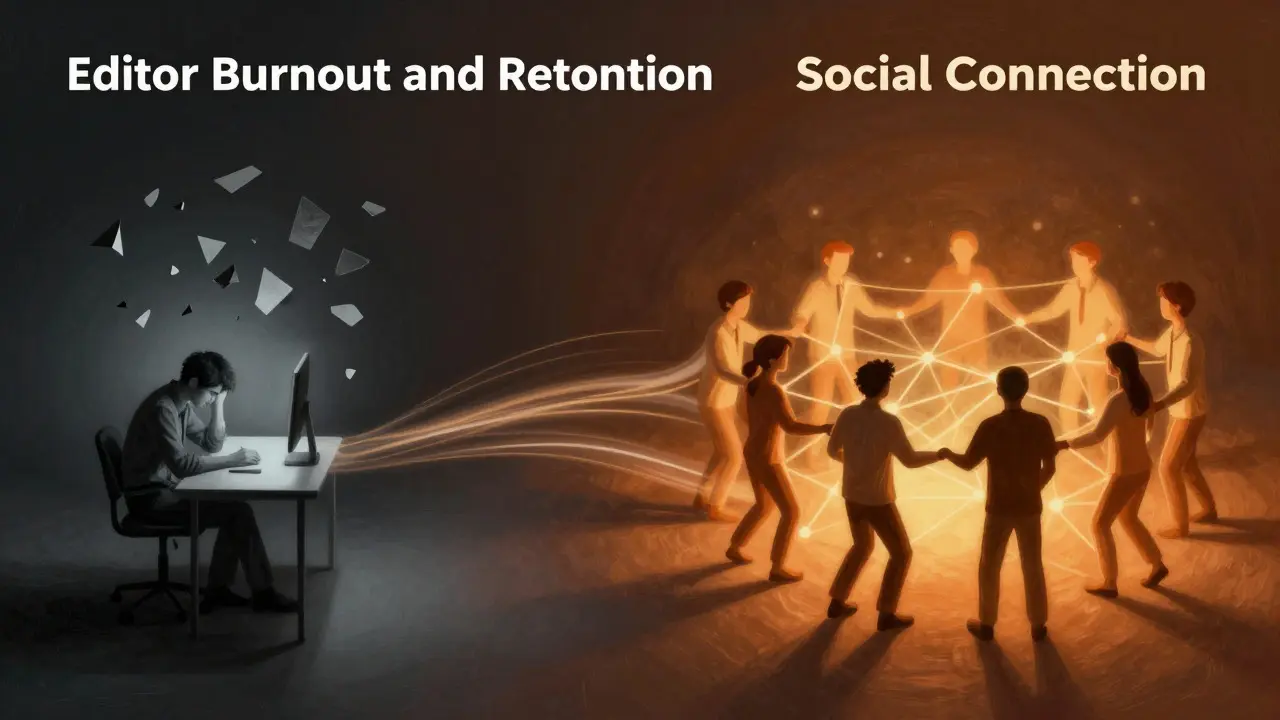
- Editor Burnout and Retention: A recent longitudinal study tracked over 5,000 active editors over three years. The findings suggested that social isolation, rather than lack of time, was the primary reason experienced editors left. The paper recommended implementing structured mentorship programs for newcomers to boost retention rates by up to 40%.
- Bias in Neutral Point of View: Another team analyzed language usage across 100,000 articles related to political figures. They found that adjectives used to describe candidates varied significantly based on the gender of the subject, despite the site's strict neutral point of view policy. This work provides a baseline for developing automated bias-detection tools.
- The Impact of AI Summaries: With the integration of AI-generated summaries in search results, researchers examined how users interact with Wikipedia versus other sources. The data showed that while AI summaries increased initial clicks, they reduced the depth of reading, leading to lower overall comprehension of complex topics.
These papers highlight a common theme: technology is changing both the creation and consumption of knowledge. As AI becomes more prevalent, understanding its side effects on human editing habits is crucial.
Calls for Participation and Data Collection
Research doesn't happen in a vacuum. It requires data, and that data often comes from the community itself. Right now, several projects are actively calling for participation. These aren't just passive surveys; they involve active contributions to datasets that will be used in future publications.
| Project Name | Focus Area | Time Commitment | Who Can Join |
|---|---|---|---|
| Global Edit-a-thon Tracker | Mapping geographic gaps in coverage | 2-3 hours per week | All registered users |
| Language Diversity Initiative | Translating core articles into underrepresented languages | Flexible / Self-paced | Bilingual editors |
| UX Feedback Panel | Testing new interface designs | 1 hour monthly | Randomly selected users |
If you have been editing for a while, joining one of these panels is a great way to feel connected to the broader mission. You don't need to be a scientist to contribute. Your daily actions generate the data points that researchers rely on. For example, when you tag an article as needing attention, you are creating a data point that helps track maintenance needs across the entire site.
How to Access and Read These Papers
You might think that academic papers are locked away behind paywalls. Fortunately, much of Wikipedia research is published in open-access journals and conference proceedings that allow free downloading and sharing.. The Wikimedia Foundation also maintains a dedicated repository where researchers can upload their findings.
Here is how you can find them easily:
- Visit the official Wikimedia Research page. This hub aggregates links to recent publications.
- Look for the "Call for Papers" section if you want to see upcoming conferences where new work will be presented.
- Use academic databases like JSTOR or PubMed, but filter by keywords such as "collaborative editing," "crowdsourcing," or "digital humanities."
- Follow the newsletters from major universities that have dedicated centers for digital culture studies.
Reading these papers doesn't require a degree in statistics. Most authors include a plain-language summary at the beginning. Start there. If the methodology looks too dense, skip ahead to the conclusion and discussion sections. That’s where the practical takeaways usually live.
Why This Matters for Everyday Editors
You might ask, "Why should I care about academic papers when I just want to fix a typo?" The answer is that research directly influences the tools and policies you use every day. When researchers prove that a certain type of notification reduces burnout, the engineering team may implement it. When studies show that specific citation formats are harder to verify, the software might change to support them better.
By staying informed, you become a more effective participant. You understand *why* a guideline exists, not just *that* it exists. This context helps you navigate disputes and make more informed decisions during consensus-building processes. It turns you from a passive user into an active stakeholder in the project's future.
Frequently Asked Questions
Do I need a PhD to contribute to Wikipedia research?
No. While formal researchers design the studies, community members provide the data and feedback. Many projects specifically recruit non-academics to test interfaces or translate content. Your experience as an editor is valuable expertise in itself.
Where can I find the latest call for papers?
Check the Wikimedia Research blog and the announcements on the main Wikipedia village pump. Major conferences like WikiCon or the International Conference on Social Informatics also post their deadlines on their respective websites.
Are all Wikipedia research papers available for free?
Most are. The field strongly favors open access to ensure transparency. However, some older papers or those published in traditional print journals might still require institutional access. Always check for pre-print versions on repositories like arXiv or SSRN.
How does research influence Wikipedia's codebase?
Findings often lead to feature requests. For example, research on visual fatigue led to the development of dark mode options. Studies on collaboration friction prompted the creation of better talk page templates. The feedback loop between academia and engineering is constant.
Can I cite Wikipedia in my own academic work?
Yes, but with caution. Cite the specific version of the article using the stable URL. Some disciplines accept it as a secondary source, while others prefer peer-reviewed journals. Check your institution's style guide before citing.