
When you search for information about a medical condition on Wikipedia, you’re not just reading someone’s opinion. You’re seeing the result of strict rules designed to keep health information accurate, balanced, and safe. Unlike many websites that let anyone post claims about cures or risks, Wikipedia requires every medical statement to be backed by solid research. And the gold standard for that research? High-quality systematic reviews and meta-analyses.
Why Wikipedia Doesn’t Trust Blogs or News Articles
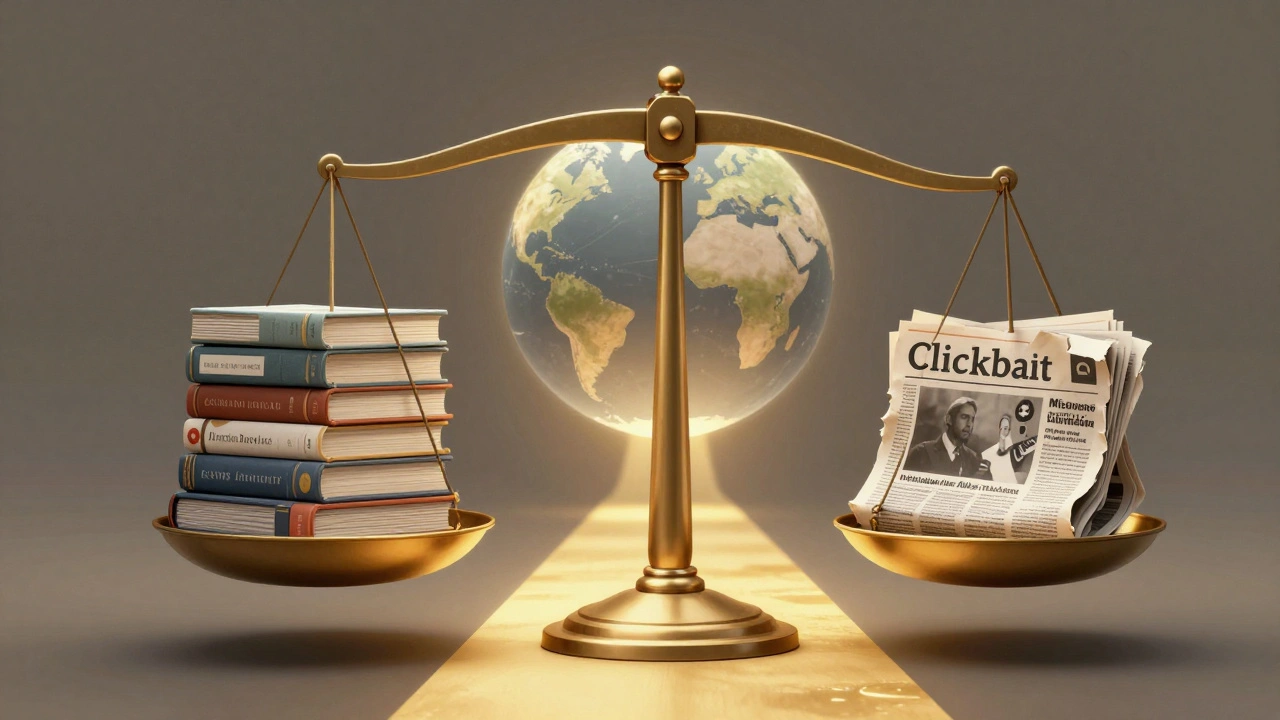
Wikipedia’s medical content doesn’t allow sources like personal blogs, news stories, or press releases-even if they come from big names. Why? Because those sources often oversimplify, sensationalize, or misrepresent science. A headline might say, “New Study Shows Coffee Cures Diabetes,” but the actual study might have only tested 12 people over three days. Wikipedia filters out that noise.
Instead, editors look for sources that have been through peer review and have strong methodology. That means studies published in journals like The Lancet, JAMA, or The New England Journal of Medicine. But even among those, not all papers are equal. A single observational study linking sugar to heart disease? Too weak. A randomized controlled trial? Better. But the most trusted? Systematic reviews and meta-analyses.
What Makes a Systematic Review Different
A systematic review is a deep dive into all the existing research on a specific question. Imagine a scientist searching every medical database-PubMed, Cochrane, Embase-for every study ever done on, say, the effectiveness of statins for preventing heart attacks in people over 65. They don’t just pick the ones that support their favorite theory. They include every relevant study, good or bad, and then analyze them together.
This process follows strict rules: clear search terms, predefined criteria for including studies, methods to reduce bias, and transparency about limitations. These reviews are published in places like the Cochrane Library, which is specifically designed for this kind of work. Wikipedia editors treat Cochrane reviews as the top-tier source for medical topics because they’re built to answer real clinical questions, not just report one-off findings.
Meta-Analyses: When Numbers Tell the Real Story
A meta-analysis takes systematic reviews one step further. It’s a statistical tool that combines data from multiple studies to find an overall effect. For example, if 15 separate studies looked at whether aspirin reduces stroke risk in people with atrial fibrillation, a meta-analysis would pool all their patient data-tens of thousands of people-and calculate a single, more reliable answer.
This matters because individual studies can be misleading. One might show a small benefit. Another might show no effect. But when you combine them, patterns emerge. In 2021, a meta-analysis in The BMJ showed that low-dose aspirin offered no meaningful protection against first-time heart attacks in healthy older adults, overturning decades of common advice. Wikipedia updated its aspirin guidelines based on that meta-analysis. Not because a doctor said so. Not because a news outlet reported it. But because the numbers, when combined, told a clearer story.
How Wikipedia Editors Apply These Standards
Wikipedia’s medical content is maintained by volunteers-doctors, nurses, researchers, and trained editors-who follow a detailed policy called Wikipedia:Medical reliable sources. It’s not a suggestion. It’s a rule. Every edit to a medical article must be supported by a source that meets these criteria:
- Published in a peer-reviewed journal
- Not a letter to the editor or case report
- Not from a predatory journal
- Not from a pharmaceutical company’s promotional material
- Not from a non-expert blog or YouTube video
When an editor adds a sentence like, “Metformin is the first-line treatment for type 2 diabetes,” they must link it to a source like a Cochrane review or a guideline from the American Diabetes Association that’s based on systematic reviews. If they can’t, the edit gets reverted. This happens hundreds of times a day.
Wikipedia also has a special team called WikiProject Medicine, made up of over 2,000 volunteers, mostly healthcare professionals. They review new edits, flag low-quality sources, and update articles as new meta-analyses come out. In 2023, they updated over 12,000 medical articles based on new evidence from systematic reviews.
Why This Matters for Real People
People turn to Wikipedia for medical info more than any other site. In 2025, Wikipedia’s health pages received over 15 billion views worldwide. That’s more than all major medical websites combined. For many, especially in low-income countries or rural areas, Wikipedia is their only access to reliable health information.
Imagine someone in rural India searching for symptoms of a stroke. If they land on a Wikipedia page that cites a Cochrane review showing that clot-busting drugs only work within 4.5 hours, they might get help in time. If that same page was based on a viral TikTok video claiming “turmeric dissolves clots,” they could delay treatment and suffer permanent damage.
Wikipedia’s reliance on high-quality reviews and meta-analyses isn’t about being academic. It’s about saving lives. It’s about making sure that when someone is scared, confused, or desperate for answers, they get the truth-not a rumor dressed up as science.
What Happens When the Science Changes
Medicine evolves. What was true in 2010 might be disproven by 2025. That’s why Wikipedia doesn’t treat any article as final. A 2022 meta-analysis in The Lancet showed that certain blood thinners were safer than warfarin for atrial fibrillation. Within weeks, Wikipedia updated its anticoagulant guidelines. The change wasn’t made by a single editor. It went through community review, source verification, and multiple rounds of fact-checking.
This process is slow-but that’s the point. Speed isn’t the goal. Accuracy is. A Wikipedia medical article might take months to update after a major study comes out. But once it does, it’s one of the most reliable summaries of that topic on the internet.

How to Spot a Good Source on Wikipedia
If you’re reading a Wikipedia medical article and want to check if it’s trustworthy, look at the references. Click on them. Are they from:
- Cochrane Library?
- The New England Journal of Medicine?
- JAMA or The BMJ?
- Guidelines from the WHO, CDC, or major medical associations?
If yes, you’re looking at high-quality information. If the references are from blogs, health websites like WebMD (which often summarize without citing primary sources), or corporate sites like Pfizer’s patient portal, then the article might not meet Wikipedia’s own standards.
Also, check the “Talk” page linked at the top of each article. There, editors discuss whether a source is valid, whether a claim needs more evidence, or if a study is outdated. You don’t need to be a doctor to read these conversations-they’re written in plain language.
Common Myths About Wikipedia’s Medical Content
Some people think Wikipedia is unreliable because “anyone can edit it.” That’s true-but it’s also misleading. Anyone can try to edit, but most edits get reversed within minutes if they’re not backed by proper sources. The real editors-the ones who know what they’re doing-monitor changes closely.
Another myth: “Wikipedia only uses old studies.” Not true. In 2024, over 60% of the references added to medical articles were from studies published in the last five years. The key isn’t age-it’s quality. A 2020 meta-analysis from a top journal is more valuable than a 2024 case report from a low-impact journal.
And no, Wikipedia doesn’t censor controversial topics. It just requires evidence. For example, the article on vaccines includes detailed sections on rare side effects, citing large-scale studies from the CDC and WHO. It doesn’t ignore risks-it just doesn’t exaggerate them without proof.
Can anyone edit Wikipedia’s medical articles?
Yes, anyone can suggest edits. But edits to medical articles are closely monitored by trained volunteers, especially those in WikiProject Medicine. Most changes that aren’t backed by high-quality sources like systematic reviews or meta-analyses are quickly reverted. The final version you see is the result of careful review, not random edits.
Why does Wikipedia prefer Cochrane reviews over other studies?
Cochrane reviews are designed to be unbiased and thorough. They search every available study on a topic, use strict methods to avoid bias, and combine results using statistical analysis. This makes them the most reliable source for summarizing medical evidence. Wikipedia uses them because they answer real clinical questions with the highest level of scientific rigor.
Are Wikipedia’s medical articles up to date?
Yes. In 2024, over 60% of new references added to medical articles were from studies published in the last five years. Wikipedia updates articles when new, high-quality evidence emerges-especially when meta-analyses or major health organizations issue new guidelines. Updates can take weeks or months, but that’s because accuracy matters more than speed.
Can I trust Wikipedia for medical advice?
Wikipedia is not a substitute for professional medical advice. But it’s one of the most reliable free sources for understanding conditions, treatments, and research. If you’re researching a health topic, use Wikipedia to learn the basics, then talk to your doctor. Always check the references to see if they come from trusted journals or systematic reviews.
What if I find an error in a Wikipedia medical article?
You can edit it yourself-if you cite a reliable source like a Cochrane review or a peer-reviewed journal. Or you can post on the article’s “Talk” page to ask editors to review it. The community responds quickly to well-sourced corrections. Wikipedia’s strength isn’t perfection-it’s the ability to fix mistakes when better evidence appears.
What to Do Next
If you rely on Wikipedia for health information, learn how to read the references. Click on them. Check if they’re from Cochrane, JAMA, or the WHO. If they are, you’re getting trustworthy information. If not, be skeptical. And if you’re a student, researcher, or healthcare worker, consider joining WikiProject Medicine. You don’t need to be a Wikipedia expert-just someone who cares about accurate medical info.
The next time you search for “how to treat high blood pressure” or “side effects of statins,” remember: behind that page is a global network of volunteers working to make sure what you read isn’t just popular-it’s proven.