There is a persistent myth that Wikipedia is just a random collection of notes written by anonymous strangers. In reality, the project relies heavily on a small, dedicated group of paid employees known as Wikipedia staff. These individuals manage infrastructure, legal issues, and community health. But how do they interact with the people who write about them? The relationship between these internal operators and external tech journalists is complex, often strained, and occasionally surprisingly close.
For years, the narrative in tech media has been one of skepticism. Reporters often treat Wikipedia as an unreliable source, a cautionary tale about user-generated content. Yet, when a major server outage hits or a controversial policy change occurs, those same reporters reach out to the very staff members they previously doubted. This dynamic creates a unique ecosystem where trust is earned through transparency rather than traditional PR campaigns.
The Core Roles: Who Is Actually Working There?
To understand the friction, you first need to know who is doing the work. The Wikimedia Foundation employs roughly 400 people worldwide, but the core team based in San Francisco is much smaller. Key roles include program officers, engineers, and communications specialists. Unlike a typical corporation, these staff members do not edit articles directly. Their job is to keep the platform running and the community healthy.
This distinction is crucial for journalists. When a reporter asks a staff member about a specific article's accuracy, they are asking the wrong person. Staff members are custodians of the system, not editors of the content. However, because they control the servers and the funding, their decisions impact every single entry. This gives them a quiet but significant influence over what gets reported in tech news.
The History of Tension and Trust
The relationship has not always been smooth. In the early days of Wikipedia, tech journalists were quick to point out errors. A famous incident involved a biography that was vandalized, leading to headlines about the "danger" of open editing. These stories painted Wikipedia as unstable. Over time, however, the volume of data and the reliability of the most-viewed pages began to shift the narrative.
Staff members responded by becoming more proactive in communication. Instead of hiding behind technical jargon, they started publishing detailed reports on server performance and community metrics. This openness helped bridge the gap. Journalists realized that while individual articles could be flawed, the underlying infrastructure was robust. The shift from viewing Wikipedia as a chaotic mess to recognizing it as a well-oiled machine changed the tone of press coverage significantly.
How Press Coverage Shapes Public Perception
Tech journalism plays a massive role in how the general public views Wikipedia. Most users never read the fine print about sourcing or consensus-building. They see what the news says. If a major outlet like The Verge or TechCrunch writes a positive piece on Wikipedia's new AI tools, public trust rises. Conversely, if a story highlights a conflict within the editorial board, readers might question the entire platform.
Staff members are aware of this leverage. They carefully curate which stories get attention. For example, when the foundation launched its new fundraising campaigns, they worked closely with journalists to frame the message around sustainability rather than corporate greed. This collaboration ensures that the narrative remains focused on the mission of free knowledge, keeping donor confidence high.
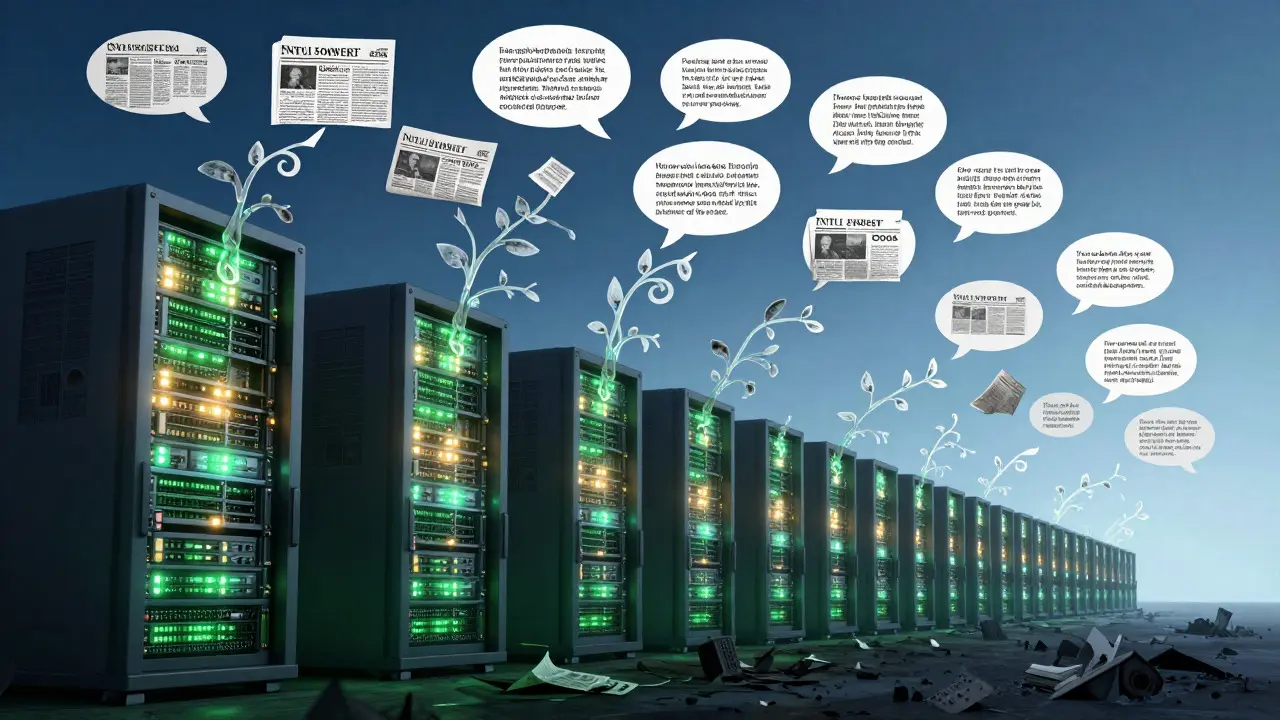
Key Differences in Priorities
Despite the cooperation, there are fundamental differences in what staff and journalists value. Staff prioritize stability and long-term growth. They want the platform to last for decades. Journalists, on the other hand, chase novelty and conflict. A stable server is not a story; a server crash is. This mismatch can lead to frustration on both sides.
| Aspect | Wikipedia Staff | Tech Journalists |
|---|---|---|
| Primary Goal | Platform Stability | Newsworthy Angles |
| Time Horizon | Long-term (Years) | Short-term (Days/Weeks) |
| View on Errors | Inevitable part of process | Evidence of unreliability |
| Communication Style | Data-driven and transparent | Narrative-driven and critical |
Understanding this table helps explain why some interviews feel awkward. A staff member explaining a nuanced policy change might sound dry to a journalist looking for drama. The journalist’s follow-up questions might seem aggressive to a staff member trying to maintain calm. It is a dance of different professional instincts.
The Role of Transparency Tools
One of the biggest assets in this relationship is transparency. The Wikimedia Foundation publishes its financial statements, server logs, and even internal meeting notes. This level of openness is rare in the tech industry. Journalists love this because it provides raw material for deep-dive investigations. They don’t have to rely solely on quotes; they can verify claims against public data.
This transparency also holds staff accountable. If a promise is made to improve loading speeds, journalists will check the metrics six months later. If the numbers don’t match the hype, the story becomes one of broken promises. This accountability loop keeps the relationship honest. It prevents either side from spinning facts too loosely.

Challenges in Modern Media Landscapes
The landscape has changed dramatically with the rise of social media and algorithmic feeds. Today, a single tweet from a critic can go viral faster than a staff member can issue a correction. This speed creates pressure on both parties. Staff must react quickly to prevent misinformation from spreading, while journalists must verify facts before publishing to avoid retractions.
Additionally, the rise of AI-generated content has added a new layer of complexity. Journalists now use AI tools to summarize Wikipedia pages for quick briefings, sometimes missing context or nuance. Staff members worry that this automated consumption devalues the human effort behind the encyclopedia. Yet, both sides recognize that AI is a tool, not a replacement, for critical thinking.
Building Better Bridges
So, how can we improve this relationship? First, journalists should distinguish between the platform and the content. Criticizing a bad article is valid, but blaming the staff for it is inaccurate. Second, staff should continue to invest in clear communication. Jargon-free explanations help non-technical readers understand the complexities of maintaining a global encyclopedia.
Finally, both groups should embrace the shared goal: making information accessible. Whether you are writing code to keep servers up or writing articles to inform the public, the end result is a more informed society. Recognizing this common ground turns adversarial dynamics into collaborative ones.
Do Wikipedia staff edit articles directly?
Generally, no. Paid staff at the Wikimedia Foundation focus on infrastructure, legal matters, and community support. While they may make minor administrative edits, the primary content is created by volunteer editors. This separation ensures that the encyclopedia remains community-driven.
Why do tech journalists often criticize Wikipedia?
Criticism often stems from visible errors or vandalism in individual articles. Journalists use these instances to highlight the risks of user-generated content. However, many modern reports acknowledge that the overall reliability of popular pages is quite high due to rigorous peer review by volunteers.
How does transparency affect the relationship?
Transparency builds trust. By publishing financials and operational data, Wikipedia staff allow journalists to verify claims independently. This reduces reliance on spin and encourages more accurate reporting. It also holds the foundation accountable to its stated goals.
What is the main difference in goals between staff and reporters?
Staff aim for long-term stability and sustainable growth of the platform. Journalists seek short-term newsworthiness, focusing on conflicts, changes, and dramatic events. This difference in time horizons often leads to different perspectives on the same events.
Can the relationship be improved?
Yes, by improving mutual understanding. Journalists should distinguish between platform issues and content quality. Staff should communicate more clearly without technical jargon. Both sides should focus on their shared mission of providing reliable information to the public.