Every time you type a search query and land on a Wikipedia page, a tiny amount of electricity is consumed. It sounds negligible, but when you multiply that by billions of monthly readers across the globe, the digital carbon footprint of free knowledge becomes a real environmental issue. The Wikimedia Foundation, the non-profit behind Wikipedia, has recently sharpened its focus on how to keep this vast repository of information running without straining the planet. For 2026, the strategy is less about vague promises and more about concrete infrastructure shifts, specifically in how data centers operate and how energy is sourced.
The Scale of the Problem
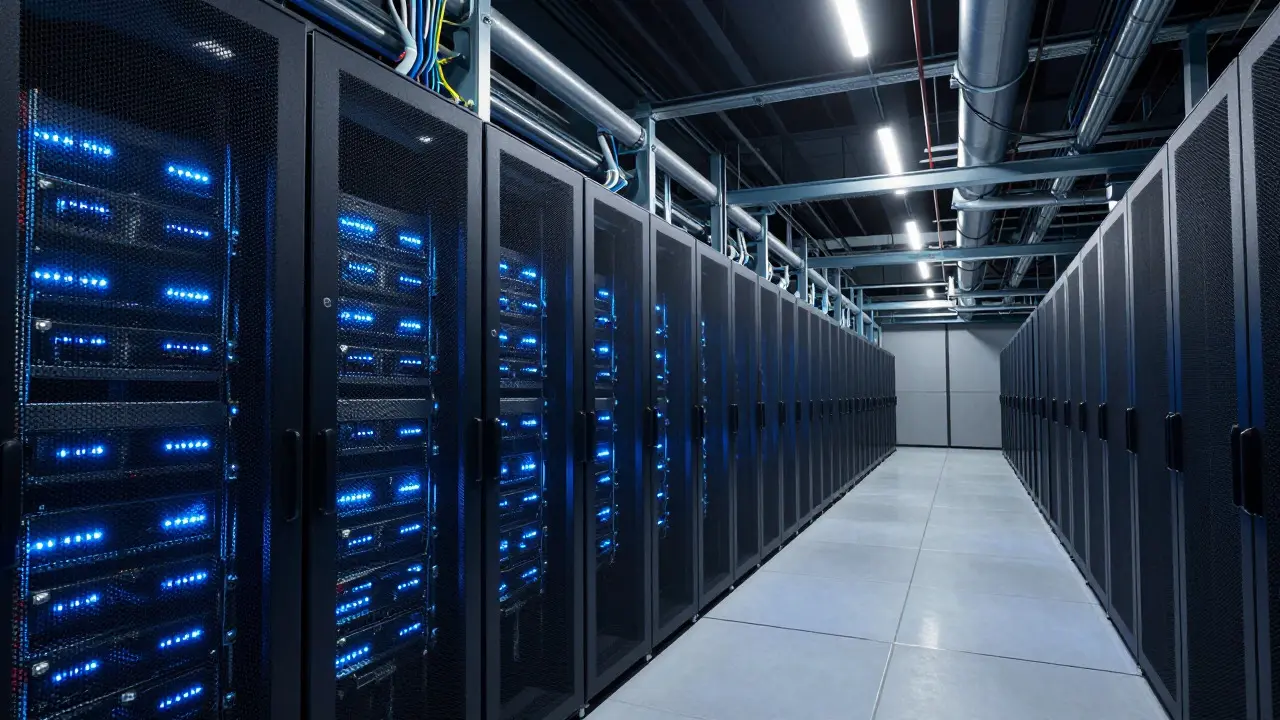
To understand why this matters, we need to look at the sheer volume of traffic. Wikipedia serves over half a billion unique devices every month. That means millions of server requests per second. Traditionally, these requests are handled by large-scale data centers, which are notorious for high energy consumption and heat generation. The cooling systems alone can account for up to 40% of a data center's total power usage. If the foundation doesn't intervene, the growth of user base would inevitably lead to a proportional rise in emissions.
The core challenge isn't just the electricity; it's the source of that electricity. Many legacy data centers still rely heavily on fossil fuels, especially during peak demand periods. For an organization dedicated to truth and transparency, having a hidden environmental cost creates a tension that the community is increasingly vocal about addressing.
Shifting to Green Hosting Infrastructure
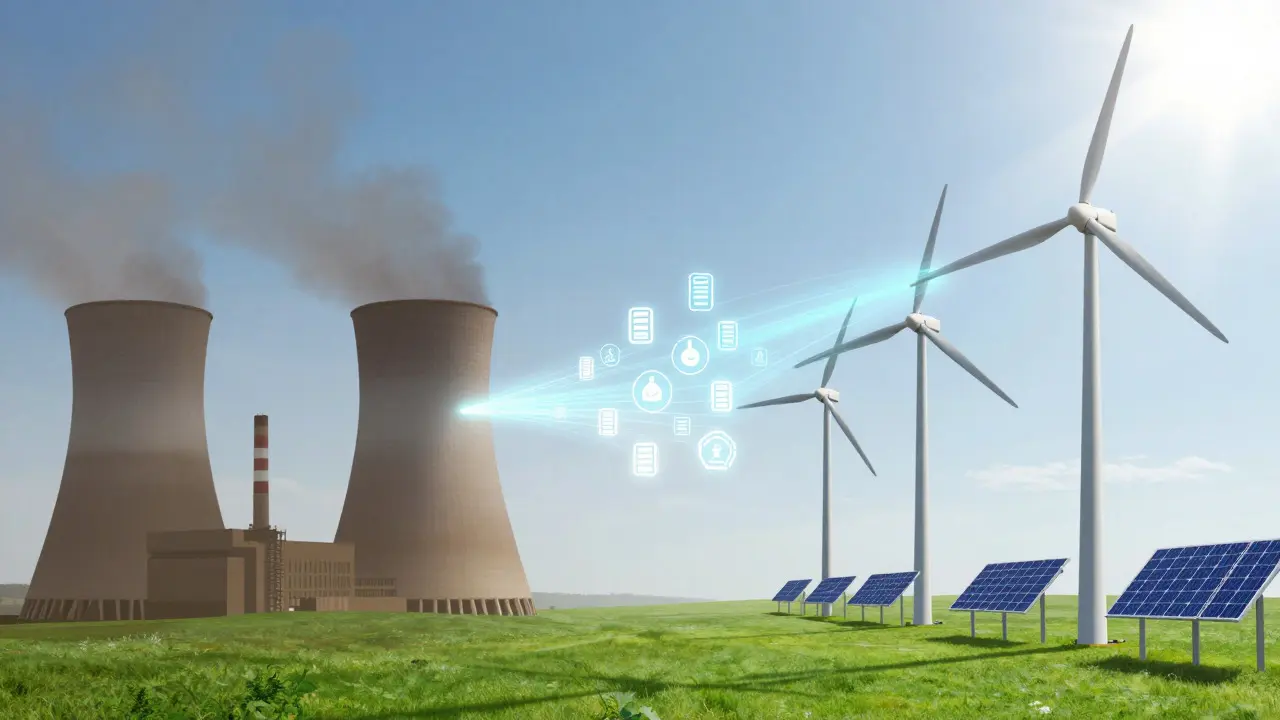
The primary lever the Wikimedia Foundation is pulling in 2026 is the migration of its most resource-intensive workloads to providers with verified renewable energy contracts. This isn't just about buying "green" certificates on paper. The new agreements prioritize renewable energy sourcing through direct power purchase agreements (PPAs). This ensures that for every kilowatt-hour used by Wikipedia's servers, a matching amount of wind or solar energy is added to the grid.
Furthermore, the foundation is optimizing its hardware lifecycle. Instead of replacing servers every three years, the current plan extends the useful life of equipment while upgrading specific components like solid-state drives (SSDs). SSDs consume significantly less power than traditional hard disk drives (HDDs) and generate less heat, reducing the load on cooling systems. This hardware optimization works in tandem with software efficiency improvements, where code is refactored to reduce the computational power needed to render pages.
| Feature | Legacy Approach | 2026 Sustainable Plan |
|---|---|---|
| Energy Source | Mixed grid (high fossil fuel dependency) | Direct PPA with Wind/Solar farms |
| Storage Hardware | Traditional HDDs | High-efficiency SSDs |
| Cooling Efficiency | Air-cooling dominant | Liquid cooling pilots & heat reuse |
| Hardware Lifecycle | 3-year replacement cycle | Extended life + component upgrades |
Software Efficiency and Code Optimization
It’s easy to forget that the internet runs on code. Every line of JavaScript executed in your browser consumes energy. The Wikimedia engineering team has been working on stripping down the front-end code for mobile users, who now make up the majority of Wikipedia's traffic. By minimizing file sizes and reducing unnecessary scripts, they lower the data transfer requirements. Less data transferred means less energy used by cellular towers and home routers to deliver that content to your phone.
This approach, often referred to as web performance optimization, has a dual benefit. It makes Wikipedia load faster for users in areas with slow internet connections, and it reduces the overall energy demand of the network. It’s a win-win scenario that aligns technical excellence with environmental responsibility.
Community Engagement and Transparency
Wikipedia is not just a product; it’s a community project. The sustainability plan relies heavily on transparency. The foundation publishes annual reports detailing their energy consumption metrics, broken down by region and service type. This allows volunteers and donors to see exactly where the money goes. In 2025, the report highlighted a 12% reduction in energy per page view compared to 2022, largely due to the initial phase of the data center migration.
Volunteers are also being encouraged to consider the environmental impact of their contributions. While editing a single article has a negligible footprint, the cumulative effect of creating thousands of images or uploading high-resolution videos adds up. The community guidelines now subtly nudge editors toward using optimized media formats, such as WebP instead of JPEG, which can reduce file size by up to 30% without visible quality loss.

The Role of Open Knowledge in Climate Action
There is a philosophical argument here that goes beyond the servers themselves. Wikipedia provides free access to scientific data, climate change reports, and environmental policies. By keeping this knowledge free and accessible, the platform supports global education and awareness. A well-informed public is better equipped to advocate for sustainable practices. In this sense, the Wikimedia Foundation acts as both a consumer of resources and a provider of tools for solving the very problem those resources create.
For example, detailed articles on renewable energy technologies help engineers in developing nations access best practices without needing expensive proprietary software. This democratization of knowledge accelerates the global transition to green tech, potentially offsetting the foundation's own operational footprint many times over.
Future Outlook: What to Expect in 2027
Looking ahead, the next phase of the plan involves experimenting with edge computing. By moving some processing tasks closer to the user, rather than routing everything through central hubs, latency drops and energy use decreases. Additionally, there are discussions about using waste heat from data centers to warm nearby office buildings or greenhouses. While still in the pilot stage, these innovations could set a benchmark for other non-profits and tech companies.
The goal is simple: to prove that maintaining a massive, global digital library does not require sacrificing planetary health. It requires smarter engineering, transparent reporting, and a commitment to continuous improvement. As long as the world keeps searching for answers, Wikipedia will be there-and now, it aims to do so with a lighter touch on the environment.
Does reading Wikipedia actually produce carbon emissions?
Yes, but the amount is small per page view. The emissions come from the electricity used by data centers to process and store data, as well as the energy used by your device to display the page. However, because Wikipedia is highly optimized, its footprint per user is significantly lower than that of ad-heavy commercial websites.
What is a Power Purchase Agreement (PPA) in this context?
A PPA is a contract between the Wikimedia Foundation and a renewable energy generator. It guarantees that a specific amount of wind or solar energy is generated and fed into the grid to match the foundation's consumption. This is considered more robust than simply buying generic green energy credits.
How does switching to SSDs help the environment?
Solid-state drives have no moving parts, unlike traditional hard drives. This means they use less electricity to read and write data and generate much less heat. Less heat means the data center needs to run its cooling fans and air conditioning systems less aggressively, saving significant amounts of power.
Can individual editors help reduce Wikipedia's carbon footprint?
Indirectly, yes. By uploading optimized images (like WebP format), using efficient templates, and avoiding excessive external links that load heavy third-party scripts, editors help keep the site lightweight. The cumulative effect of millions of small optimizations leads to substantial energy savings.
Is Wikipedia's sustainability plan mandatory for all language versions?
The infrastructure changes apply globally since all language versions run on the same backend servers. However, local volunteer communities may adopt additional eco-friendly practices in their offline events or regional meetings, though these are not strictly enforced by the central foundation.