Ever tried to edit a Wikipedia article only to have your changes reverted because you cited a blog post? It’s a frustrating experience that trips up even experienced contributors. The core issue isn’t about truth; it’s about verifiability. Wikipedia doesn’t require every statement to be proven true in a court of law, but it does demand that claims be backed by evidence readers can check. This distinction is the backbone of how the platform maintains credibility without a central editor-in-chief.
Understanding these standards separates casual editors from trusted contributors. Whether you’re fixing a typo or writing a new entry on a niche topic, knowing what counts as a "reliable source" saves you hours of back-and-forth discussions. Here’s how the system actually works in practice.
The Core Principle: Verifiability Over Truth
Verifiability is one of Wikipedia's three content policies, stating that all factual material must be attributable to a reliable source. This might sound counterintuitive. If something is obviously true, why do we need a citation? Because "obvious" is subjective. What seems like common knowledge to one person might be disputed by another. By requiring citations, Wikipedia shifts the burden of proof from the reader to the writer.
This approach prevents the encyclopedia from becoming a battleground for personal opinions. Instead of arguing whether a fact is true, editors argue about whether the source supports the claim. It’s a pragmatic solution to managing millions of anonymous users. The goal isn’t absolute certainty; it’s consensus based on documented evidence.
What Counts as a Reliable Source?
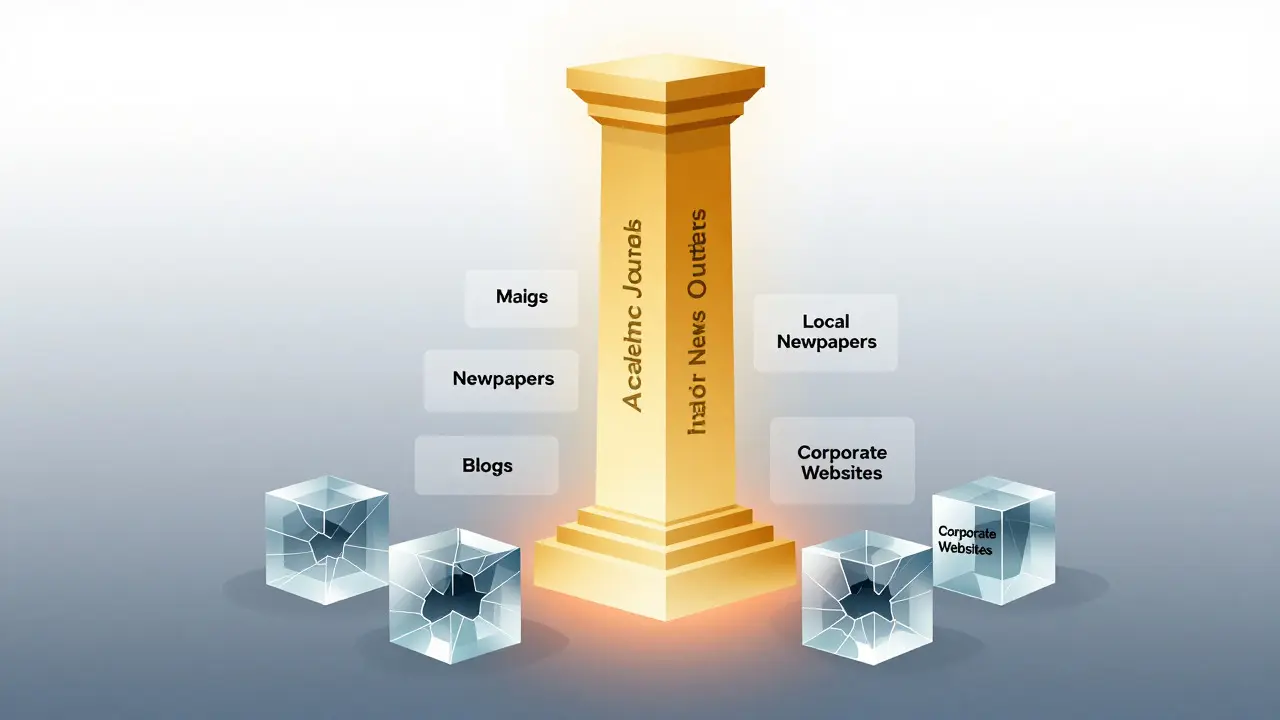
Reliable sources are publications with a reputation for fact-checking and accuracy, such as academic journals, major news outlets, and established books. But reliability isn’t a fixed list. It depends on context. A peer-reviewed journal is perfect for medical claims but overkill for reporting on local city council meetings. Conversely, a local newspaper is excellent for hyper-local events but weak for global historical analysis.
Here’s a quick breakdown of source tiers:
- Primary sources: Original documents like treaties, interviews, or raw data. Use these sparingly unless the subject is the document itself.
- Secondary sources: Analyses or interpretations of primary sources. These are the workhorses of most articles (e.g., history books, biographies).
- Tertiary sources: Summaries of secondary sources, like encyclopedias. Generally avoided for citing facts, but useful for background reading.
Avoid using self-published works, blogs without editorial oversight, or press releases as primary evidence. They often lack the independent scrutiny needed to withstand scrutiny from skeptical readers.
Navigating Citation Formats
Once you’ve picked a good source, you need to cite it correctly. Wikipedia uses a standardized format called Cite templates are pre-formatted code snippets that automatically generate consistent bibliographic entries. You don’t need to memorize complex styles manually. Just insert a template like <ref></ref> where your sentence ends, then fill in the details at the bottom of the page.
For web pages, include the author, title, publication date, and URL. For books, include the publisher and ISBN if available. Consistency matters more than perfection. A slightly imperfect citation is better than no citation at all. Tools like the Visual Editor make this easier by prompting you for required fields.
Common Pitfalls to Avoid
Even well-intentioned editors make mistakes that lead to reverts. Here are the top three traps:
- Citing the subject: Using a company’s own website to describe its products. This is considered self-promotion. Look for third-party reviews instead.
- Over-citing minor details: Not every sentence needs a reference. Only cite contentious, surprising, or specific factual claims. General statements about widely known topics usually don’t need them.
- Ignoring dead links: If a source link breaks, the citation becomes useless. Always verify that URLs work before saving. Use the Internet Archive Wayback Machine if the original site has disappeared.
Another subtle issue is "citation bias." Relying too heavily on one type of source (like only US media) can skew an article’s perspective. Aim for a balanced mix of international and diverse viewpoints when possible.
How Disputes Are Resolved
When two editors disagree on a source’s reliability, they don’t just fight in the comment section. They take the issue to the talk page. If unresolved, it may escalate to the Requests for Comment are a formal process where editors seek community input on controversial edits. This democratic approach ensures that no single user dictates the standard.
In extreme cases, a source might be blacklisted or deemed unreliable for a specific topic. For example, a tabloid might be acceptable for celebrity gossip but rejected for scientific claims. Context is king. When in doubt, look at how similar articles handle comparable claims.
| Source Type | Best For | Risk Level | Example |
|---|---|---|---|
| Academic Journals | Science, Medicine, History | Low | New England Journal of Medicine |
| Major News Outlets | Current Events, Politics | Low-Medium | The New York Times, BBC |
| Local Newspapers | Hyper-local News | Medium | Madison Courier |
| Corporate Websites | Product Specs (with caution) | High | Apple.com product pages |
| Blogs/Op-Eds | Generally Avoided | Very High | Personal WordPress sites |

Practical Tips for New Contributors
If you’re just starting out, keep it simple. Start with well-sourced topics like historical figures or established scientific concepts. Use the "Cite This Page" feature in your browser to auto-generate references. Check the talk page of the article before making big changes-it often contains ongoing debates about sourcing.
Remember, the goal is to help readers trust the information. A clean, well-cited article contributes to the collective knowledge base. A poorly sourced one erodes confidence. Treat every edit as a small act of public service.
Frequently Asked Questions
Do I need to cite every single sentence?
No. Only cite specific facts, statistics, quotes, or controversial claims. General knowledge statements like "Water freezes at 0°C" rarely need citations unless the context is highly technical or disputed.
Can I use my own research as a source?
Generally, no. Original research should be published in a reliable outlet first. Citing unpublished data makes verification difficult for other readers and editors.
What if a reliable source contradicts another reliable source?
Present both views fairly. Use phrases like "According to X..." and "However, Y argues..." to show the discrepancy without taking sides. This is called neutral point of view.
Are podcasts considered reliable sources?
It depends. Established news podcasts from major outlets are often acceptable. Independent or amateur podcasts are usually not, unless the host is a recognized expert in the field and the content is factual rather than opinion-based.
How do I handle paywalled articles?
Cite them normally. Readers who want to verify can access the full text through libraries or subscriptions. Include the DOI or stable URL so the source remains findable even if the direct link expires.