Imagine you’re researching a historical event for a school project. You open Wikipedia is a free, web-based collaborative project that aims to compile all human knowledge into an encyclopedia. You find the background, dates, and key figures in seconds. But then you want to know how people are reacting *today*. You switch to a major newspaper or TV broadcast. Suddenly, the static facts come alive with current context, emotional weight, and immediate consequences. This isn’t a conflict; it’s a partnership. In our modern information ecosystem is the complex network of sources, platforms, and users that create, share, and consume data., these two giants serve distinct but complementary roles.
The Distinct Missions of Reference and Reporting
To understand why they work together, we have to look at what each one actually tries to do. News media is organizations and platforms dedicated to gathering, verifying, and distributing timely information about current events. Its primary goal is timeliness. If something happens now, the news wants you to know about it immediately. It focuses on the "who, what, where, when, and why" of recent developments. Think of it as a live feed. It captures the pulse of the moment.
On the other hand, Wikipedia is designed for stability and depth. It doesn’t care much about breaking stories unless they become historically significant. Instead, it synthesizes existing knowledge. It takes the raw chaos of events, filters them through citations, and organizes them into structured articles. While news tells you what happened yesterday, Wikipedia tells you what everything means in the grand scheme of things. One is a snapshot; the other is the album.
How Wikipedia Leverages News Sources
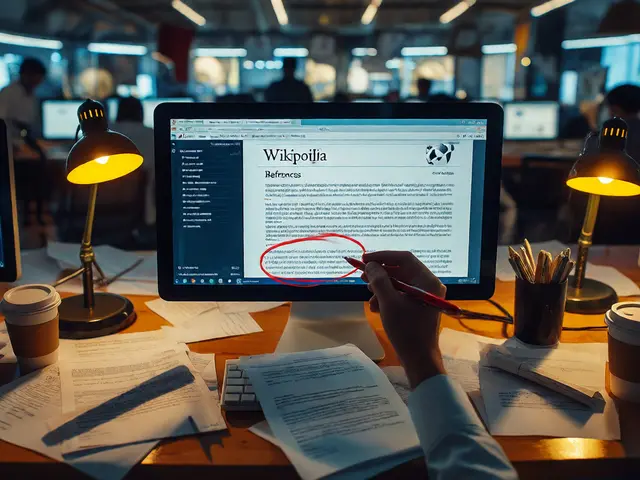
Here’s a secret many readers don’t realize: Wikipedia depends heavily on news media. When you read a Wikipedia article about a recent political election or a scientific breakthrough, look at the references section. You’ll likely see dozens of links to reputable news outlets like The New York Times, BBC, or Reuters. Editors use these reports as primary evidence to verify facts. Without reliable journalism, Wikipedia would struggle to keep its pages accurate and up-to-date.
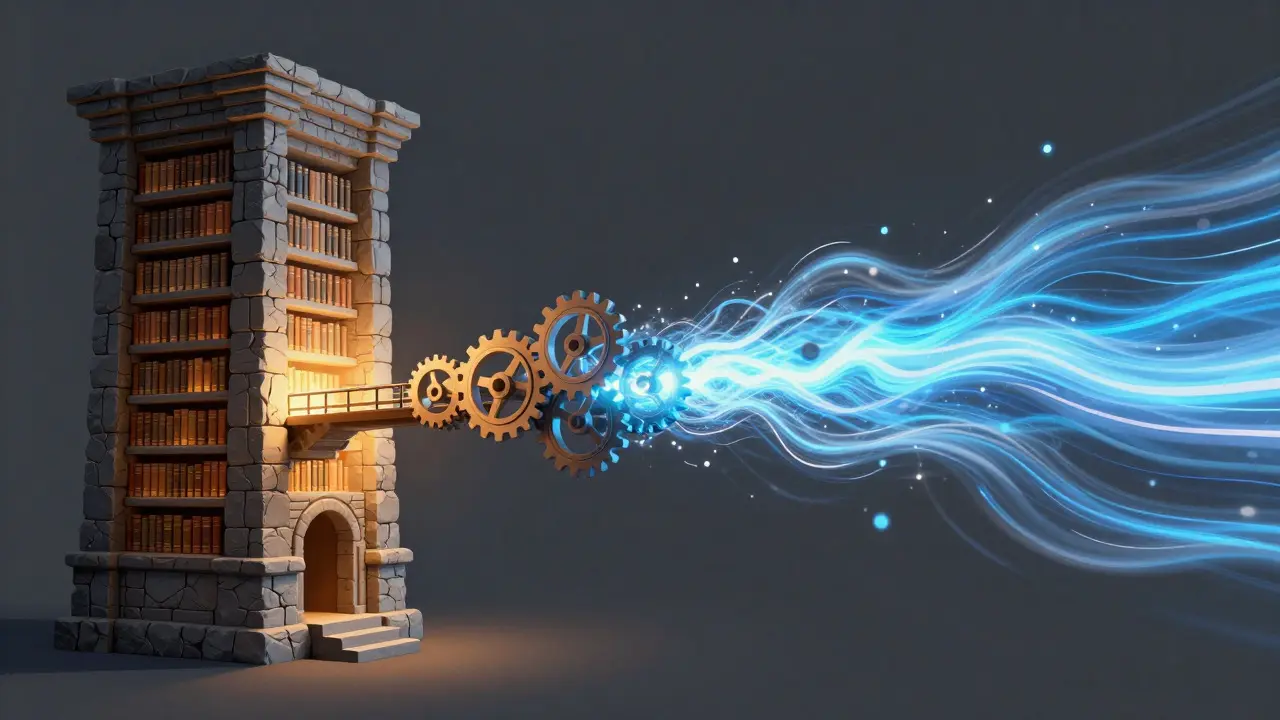
This relationship creates a feedback loop. Journalists report events with verified facts. Wikipedia editors take those facts, strip away the bias and opinion, and integrate them into a neutral summary. For example, during a natural disaster, news channels provide real-time updates on evacuation routes and damage assessments. A week later, a Wikipedia article might be created or updated to document the total economic impact and long-term recovery efforts, citing those same news reports as evidence. The news provides the fuel; Wikipedia builds the engine.
Where News Media Falls Short (and Where Wikipedia Shines)
Let’s be honest: news can be messy. Deadlines pressure journalists to publish quickly, which sometimes leads to errors. Bias, whether intentional or unconscious, can slip into headlines and framing. Plus, once a story stops being "new," it disappears from the front page. Finding detailed background information on a topic covered five years ago can be a hassle in traditional news archives.
This is where Wikipedia shines. It offers a centralized, searchable repository of background knowledge. If you’re confused by a current news story because you lack context, Wikipedia provides the foundation. It explains the history, defines the jargon, and lists the key players involved. It acts as the common ground where everyone starts from the same factual baseline before diving into opinions. It’s not just a backup; it’s the foundation stone for informed citizenship.

Practical Strategies for Using Both Together
You don’t have to choose between the two. In fact, using them together makes you a smarter consumer of information. Here is a simple workflow you can adopt today:
- Start with the News for Context: When a major event occurs, check a trusted news source first. Get the immediate facts: Who is involved? What exactly happened? What are the initial reactions?
- Switch to Wikipedia for Background: Once you understand the headline, go to Wikipedia. Read the article related to the main subject. Look for sections on history, previous similar events, or technical definitions. This prevents you from misinterpreting the news due to lack of prior knowledge.
- Cross-Check Citations: If a Wikipedia claim seems surprising, click the citation link. Often, this will lead you back to a specific news article or academic paper. This allows you to verify the original source without digging through multiple news sites yourself.
- Monitor Evolution: Revisit the Wikipedia page after a few days or weeks. Notice how the article changes as more information becomes available. Compare this evolution to the initial news reports. You’ll see how the narrative solidifies over time.
Comparing Their Core Functions
To visualize the differences, let’s break down their core attributes side-by-side. This table highlights why they serve different needs in your research process.
| Attribute | Wikipedia | News Media |
|---|---|---|
| Primary Goal | Compile stable, encyclopedic knowledge | Report timely, current events |
| Time Focus | Historical and established facts | Past 24 hours to 1 week |
| Tone | Neutral, encyclopedic, descriptive | Narrative, urgent, often opinionated |
| Update Frequency | Continuous, community-driven edits | Daily cycles, breaking news alerts |
| Best For | Background research, definitions, summaries | Current events, eyewitness accounts, analysis |

Building a Personal Information Routine
Think of your daily information intake like a diet. You need variety to stay healthy. If you only eat fast food (breaking news), you get energy but lack nutrients (context). If you only eat vitamins (encyclopedia entries), you stay healthy but miss out on the experience of life (current events). By combining both, you build a robust mental model of the world.
For students, this means using news to spark interest in a topic and Wikipedia to structure essays. For professionals, it means staying aware of industry trends via news while relying on reference materials for technical standards. For casual readers, it simply means understanding *why* something is happening, not just *that* it is happening. The synergy between these two platforms reduces misinformation because you are constantly cross-referencing dynamic reports against static, verified baselines.
Frequently Asked Questions
Is Wikipedia more reliable than news media?
It depends on the metric. Wikipedia is generally more reliable for stable, historical facts because it requires multiple independent citations and has a strict neutral point of view policy. However, for breaking news, professional news media is usually faster and more accurate because they have dedicated reporters on the ground. Wikipedia may lag behind in real-time updates but corrects errors quickly through community review.
Should I trust Wikipedia for current events?
Use Wikipedia for the *summary* of current events, but always check the references for the latest details. Wikipedia editors update pages rapidly, but the content reflects a consensus of available sources rather than exclusive reporting. If you need the very latest minute-by-minute updates, stick to live news feeds. Use Wikipedia to understand the broader implications of the event.
How does Wikipedia use news articles as sources?
Wikipedia editors cite reputable news outlets to verify facts that are not yet covered by books or academic papers. These news articles must be from reliable sources (like major international newspapers) to meet Wikipedia's notability standards. The editor extracts the factual claims from the news report and adds the citation, ensuring the information is traceable back to a primary journalistic investigation.
What is the main difference in tone between Wikipedia and news?
Wikipedia strives for a neutral, encyclopedic tone, avoiding adjectives and editorializing. It presents facts plainly. News media, conversely, uses narrative techniques, strong verbs, and sometimes opinion pieces to engage readers emotionally. This makes news more compelling for storytelling but potentially less objective for pure fact-finding compared to the dry precision of an encyclopedia entry.
Can I rely solely on one source for research?
Relying solely on one source is risky. If you only use news, you might miss historical context or fall for early inaccuracies. If you only use Wikipedia, you might miss breaking developments or unique perspectives. Combining both ensures you have both the depth of background knowledge and the breadth of current awareness, leading to a more comprehensive understanding of any topic.