Ever noticed how a celebrity's Wikipedia page transforms overnight? One moment it’s a dry biography; the next, it’s a battlefield of angry edits, deleted paragraphs, and pop-up warnings. This isn’t just random chaos. It’s a predictable pattern driven by celebrity scandals, public outrage, and the unique mechanics of an open-source encyclopedia. Understanding this cycle helps explain why some pages seem to never settle down while others remain static for years.
The core issue lies in the tension between Wikipedia’s mission to be a neutral, fact-based reference and the emotional volatility of modern media cycles. When a scandal breaks-whether it’s a legal accusation, a breakup, or a viral tweet-the internet floods with new information. Simultaneously, fans and critics rush to edit the page to reflect their bias. The result is a spike in traffic, followed by a chaotic period of "cleanup" where editors try to restore order.
The Anatomy of a Traffic Spike
A standard celebrity profile on Wikipedia is a collaborative online encyclopedia that relies on volunteer editors to maintain neutrality and accuracy. Under normal circumstances, these pages see steady, low-level traffic. But when a scandal hits, the numbers change dramatically. We’re not talking about a 10% increase. We’re looking at spikes of 500% to 1,000% within 24 hours.
This surge brings two distinct groups of users:
- Casual Readers: People who just want to know what happened. They usually don’t edit but contribute to page views.
- Active Participants: Fans, haters, journalists, and amateur editors who log in to add, remove, or argue over details.
The danger zone begins when the second group starts editing without proper sourcing. In a calm environment, editors follow strict guidelines. During a crisis, those guidelines often get ignored in favor of speed. The goal shifts from "accuracy" to "immediacy."
Why Edit Wars Happen
An Edit War is a conflict between Wikipedia editors who repeatedly revert each other’s changes to impose a specific version of the truth. These conflicts are rare in stable topics like history or science, but they are common in current events involving public figures.
Consider the case of a high-profile divorce. One side might want to emphasize the financial settlement (sourced from court documents). The other side might want to highlight alleged misconduct (sourced from tabloid interviews). Neither source meets Wikipedia’s ideal standard of reliable, neutral consensus immediately. So, editors ping-pong the text back and forth. Each revert triggers a notification to the other party, escalating the tension.
These wars aren’t always malicious. Often, they stem from good intentions. A fan might think, "My favorite actor is being unfairly portrayed," and delete a critical paragraph. A critic might think, "This person needs accountability," and add an unsourced quote. Both actions violate policy, but both feel justified in the heat of the moment.
The Role of Vandalism and Good Faith Errors
Not all sudden changes are strategic edits. Some are simple mistakes or outright Vandalism, which refers to destructive or irrelevant changes made to Wikipedia articles, ranging from typos to complete deletions.
During a scandal spike, the volume of edits increases so much that even small errors become visible. You might see:
- Spelling errors introduced by non-native speakers trying to help.
- Formatting glitches caused by copy-pasting from social media.
- Complete deletion of sections by frustrated users who give up on the debate.
Here’s a key distinction: Good faith errors are honest mistakes. Vandalism is intentional disruption. Distinguishing the two is hard in real-time. An editor might assume a weirdly phrased sentence is vandalism when it’s actually just bad writing. This leads to unnecessary reverts, which can discourage new contributors.
The Cleanup Process: How Order Is Restored
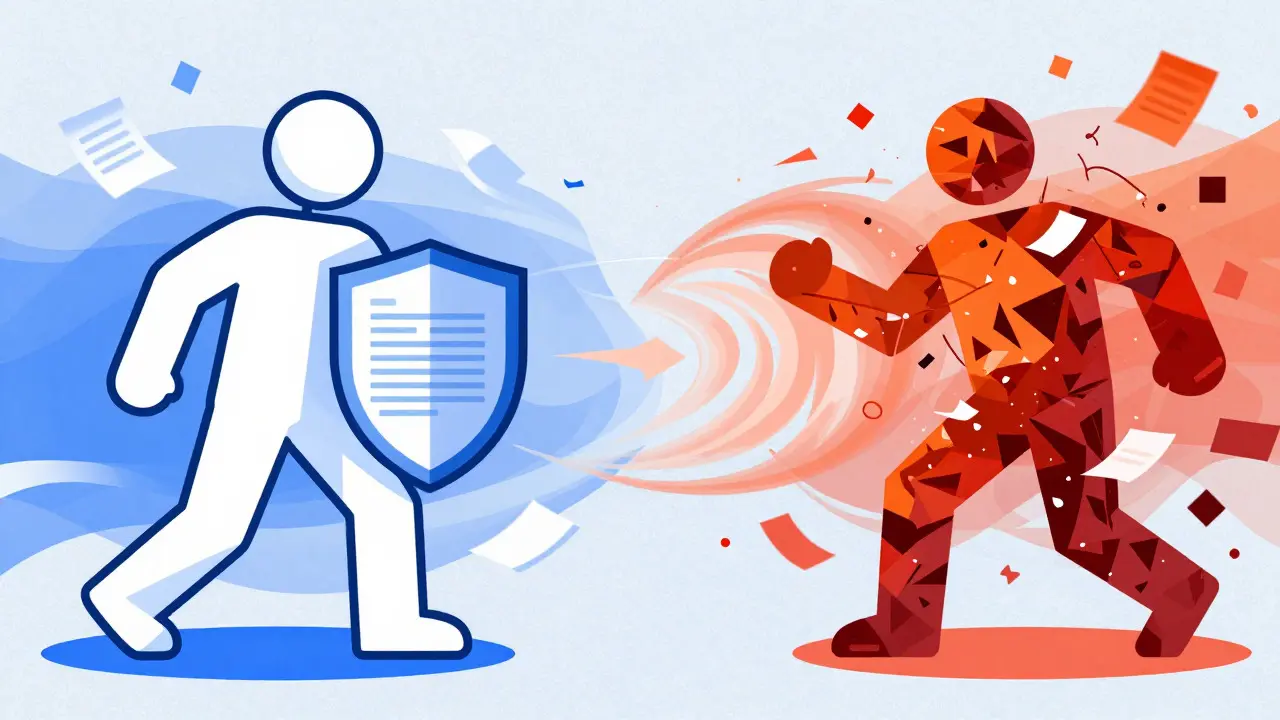
So, how does the page go from chaos back to stability? It rarely happens instantly. The cleanup phase typically follows a three-stage process:
- Immediate Triage (Hours 1-24): Experienced editors monitor the page using tools like Watchlists, which allow users to track changes to specific pages and receive notifications for every edit. They quickly revert obvious vandalism and lock contentious sections temporarily.
- Sourcing Debate (Days 2-7): Editors move to the talk page to discuss what facts should stay. This is where the real work happens. Arguments focus on reliability: Is a tweet a valid source? Does a tabloid article count as independent verification?
- Consensus and Stabilization (Weeks 2+): Once a compromise is reached, the text is finalized. The page may be protected for a short time to prevent further rapid changes. Traffic slowly returns to baseline levels.
This process relies heavily on community norms. There is no single administrator deciding everything. Instead, consensus emerges through discussion. If the community can’t agree, the safest option is often to remove the controversial detail entirely until more reliable sources emerge.
Comparing Stable vs. Volatile Pages
To understand the difference, let’s look at two types of celebrity profiles: one for a deceased historical figure and one for a living influencer.
| Attribute | Historical Figure (e.g., Actor from 1950s) | Living Influencer (Current Event) |
|---|---|---|
| Traffic Pattern | Steady, low-volume | Sporadic, high-volume spikes |
| Source Reliability | High (archived books, obituaries) | Mixed (social media, breaking news) |
| Edit Frequency | Rare (months apart) | Frequent (daily during crises) |
| Conflict Type | Minor wording disputes | Major factual/bias battles |
| Protection Status | Usually unprotected | Frequently semi-protected |
The data shows why living figures cause more friction. Their stories are still unfolding, meaning the "truth" is fluid. For historical figures, the story is fixed. You can’t really argue about what happened in 1962 because the records are closed. For someone active today, every new interview or court hearing adds new variables.

Pro Tips for Navigating Scandal Pages
If you’re reading or editing these pages, here are some practical tips to avoid getting caught in the crossfire:
- Check the History Tab: Before trusting any statement, click the "History" link. If a paragraph has been edited five times in the last hour, treat it with caution.
- Look for Citations: Reliable claims have blue citation links. If a shocking claim has no citation, it’s likely under dispute or unsourced.
- Avoid Editing During Peak Hours: If you’re a casual editor, wait 24-48 hours after a major news event. Let the dust settle. Your contribution will be more valuable if it’s accurate rather than fast.
- Use Talk Pages: If you disagree with an edit, don’t just revert it. Leave a polite note on the talk page explaining your concern. This reduces the chance of an edit war starting.
Remember, Wikipedia is a snapshot, not a live blog. The goal is a balanced summary, not a real-time feed of drama.
Frequently Asked Questions
Why do celebrity Wikipedia pages get locked so often?
Pages are locked (or "semi-protected") when edit wars or vandalism become too frequent for regular editors to manage. This restriction allows only established accounts to edit, giving the community time to reach a consensus on the content without constant disruption.
Is Wikipedia reliable during a breaking scandal?
It depends. The basic biographical facts (birth date, career highlights) remain reliable. However, details about the scandal itself may be unstable. Always check the citations and recent edit history. If the section is marked as "disputed" or lacks sources, treat it as provisional.
What is the difference between a revert and a vandalism fix?
A revert simply undoes a previous edit. It can be used to fix vandalism or to counter a biased edit. The intent matters: fixing vandalism restores the page to its last known good state, while reverting a biased edit is part of an ongoing debate about neutrality.
How long does it take for a page to stabilize after a scandal?
Typically 1 to 4 weeks. Minor controversies may settle in days. Major legal cases or cultural moments can take months. The timeline depends on how quickly reliable sources (like court rulings or major news outlets) publish definitive information.
Can anyone edit a celebrity’s Wikipedia page?
Yes, technically anyone can edit most pages. However, during periods of high volatility, pages are often semi-protected. This means you need an account created several days prior and with a certain number of edits to make changes. This filter helps reduce drive-by vandalism.