Imagine you are editing an article about a controversial environmental policy. You find a report from Greenpeace is an international non-governmental organization that uses direct action, lobbying, and research to achieve its goals. The report contains detailed data and strong arguments against the policy. It seems perfect for your edit. But if you add it directly, other editors might revert your changes immediately. Why? Because Greenpeace is an advocacy group.
This is one of the most common pitfalls for new contributors on Wikipedia is a free online encyclopedia written by volunteers around the world.. Using sources from organizations with a clear agenda can lead to accusations of bias, even if the information itself is factual. Understanding how to handle these sources correctly is not just about following rules; it is about maintaining the integrity of the encyclopedia.
The Core Conflict: Facts vs. Agenda
Advocacy organizations exist to promote a specific cause. They are not neutral observers. This fundamental difference creates a tension when their materials are used as sources on Wikipedia. The core principle here is Neutral Point of View (NPOV) is the central policy requiring articles to represent significant viewpoints fairly and without editorial bias.. NPOV does not mean there is no truth; it means that if reasonable people disagree, all sides must be presented accurately.
When you use a source from an advocacy group, you risk importing their perspective into the article. For example, if an animal rights group publishes a study claiming a certain farming method is "cruel," using that word in the article without attribution violates neutrality. The word "cruel" is a value judgment, not a fact. However, stating that "the group claims the method is cruel" is a factual report of their viewpoint. The distinction lies in how you attribute the information.
Not all content from advocacy groups is useless. Many of these organizations conduct original research, publish statistical data, or document events they witness. The challenge is separating the verifiable facts from the interpretive commentary. A report might contain accurate rainfall data alongside a political argument about climate change legislation. You can use the rainfall data if it is verifiable elsewhere, but you should treat the legislative argument with caution.
Determining Reliability: The Hierarchy of Sources
Wikipedia relies on a hierarchy of source reliability. Secondary sources, like academic journals and major newspapers, are preferred because they analyze primary sources. Primary sources, such as government documents or raw data, are useful for establishing facts but not for interpretations. Advocacy organizations often produce material that falls into a gray area between primary and secondary sources.
To decide if an advocacy source is acceptable, ask yourself three questions:
- Is the information self-published? If the organization wrote the article about itself, it is generally considered unreliable for biographical details or controversial claims.
- Does the source have a reputation for rigorous methodology? Some advocacy groups employ professional researchers and peer-review processes. Their technical reports may be more reliable than their press releases.
- Is the claim corroborated by independent sources? If only one advocacy group makes a startling claim, it is likely biased. If multiple independent news outlets report the same event described by the group, the source gains credibility.
For instance, a medical charity might publish a blog post criticizing a new drug. This is less reliable than a peer-reviewed study published in a journal like The Lancet is a weekly, general-medicine, open-access, peer-reviewed medical journal.. However, if the charity provides patient testimonials, those can be used to illustrate the human impact of the drug, provided they are clearly attributed.
Attribution: The Safety Net for Editors
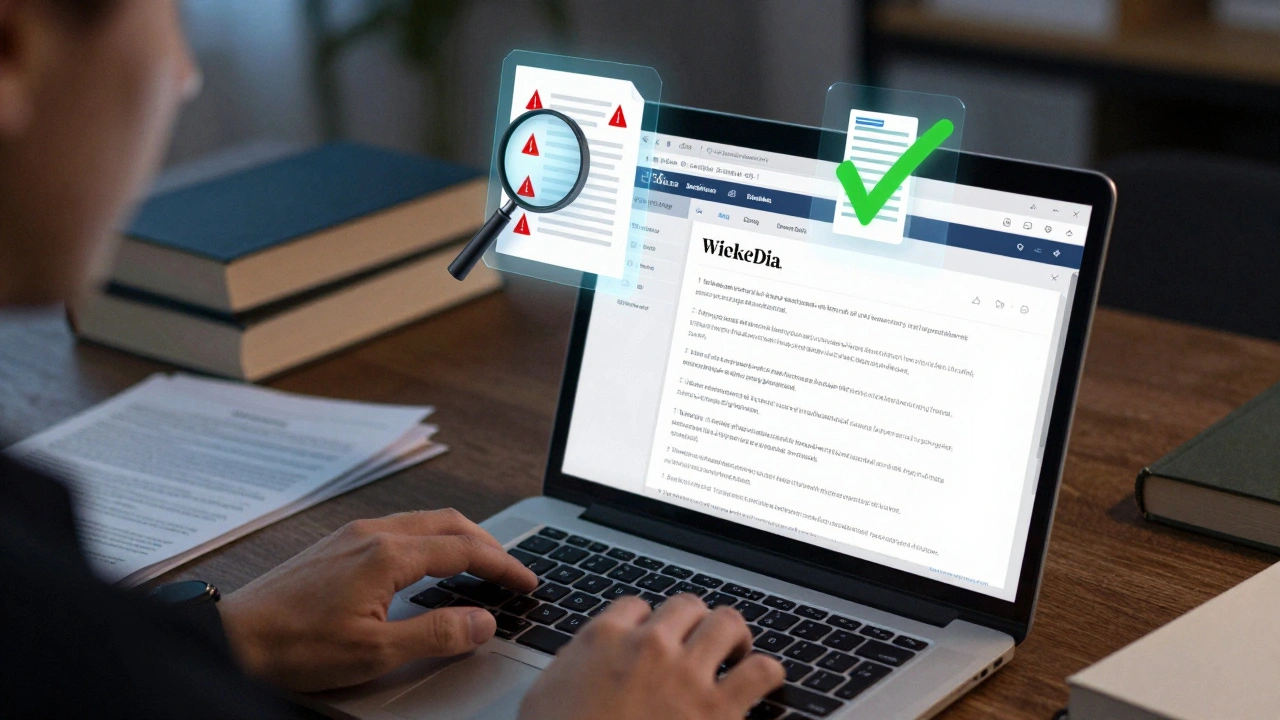
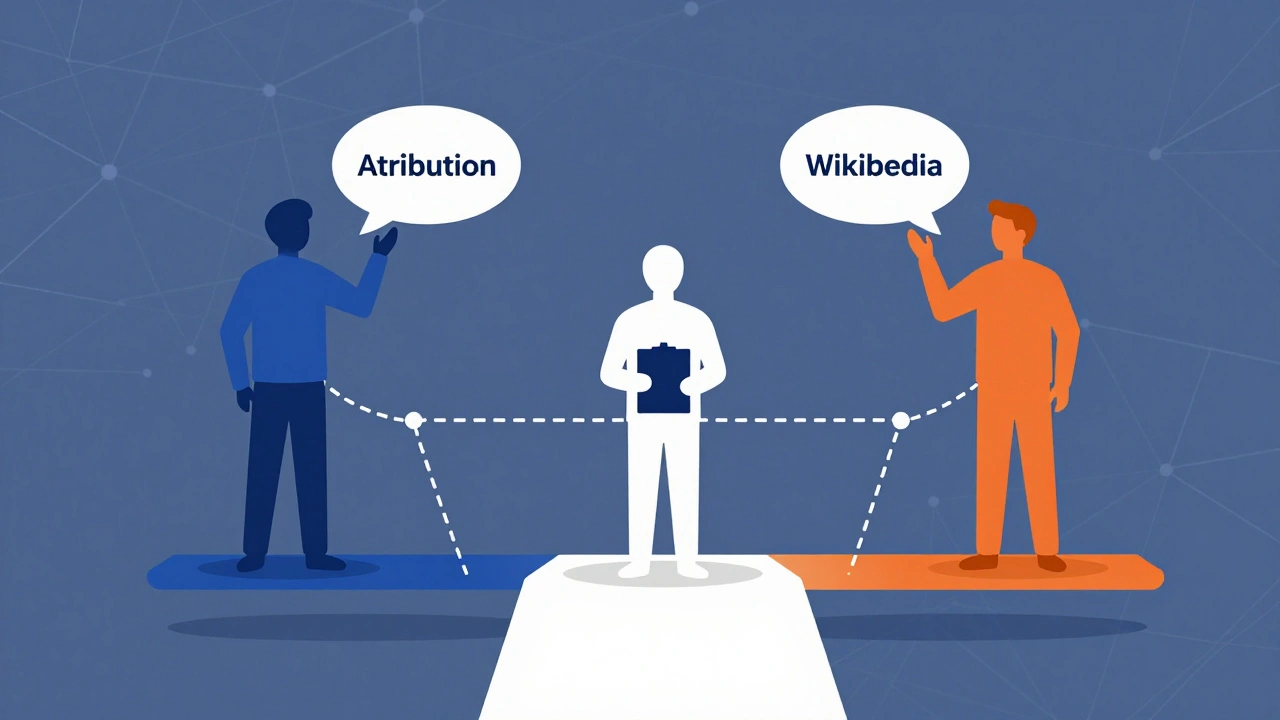
Attribution is your best defense against bias accusations. When you use a source from an advocacy organization, you must make it clear who is saying what. Avoid weaving their opinions into the narrative as objective facts. Instead, use phrases like "according to," "claims," "argues," or "reports."
Consider this example. An energy lobby group publishes a report stating that renewable energy subsidies are "economically disastrous." If you write, "Renewable energy subsidies are economically disastrous," you are presenting their opinion as fact. This will likely be challenged. Instead, write, "A report by the Energy Lobby Group argues that renewable energy subsidies are economically disastrous." This preserves the neutrality of the article while still including the relevant viewpoint.
This technique is especially important in sections discussing controversies. If an article covers a protest, you should include statements from both the protesters and the authorities. Using an advocacy group’s statement to describe the protesters' motives is appropriate, as long as it is attributed. Do not use their description of the police actions unless it is supported by independent eyewitness accounts or official reports.
Common Pitfalls and How to Avoid Them
Even experienced editors make mistakes when handling advocacy sources. One common error is over-reliance. If an article cites five different reports from the same environmental group, it looks like the article is promoting that group’s agenda. Diversify your sources. Mix advocacy materials with academic papers, government statistics, and mainstream media coverage.
Another pitfall is cherry-picking. Advocacy groups often highlight data that supports their position and ignore contradictory evidence. If you use only the supportive data from their report, you may inadvertently skew the article. Look for context. Check if the organization has acknowledged limitations in their study. If not, seek out critiques from independent experts to balance the presentation.
Be wary of emotional language. Advocacy materials are designed to persuade and evoke emotion. Words like "scandalous," "heroic," or "catastrophic" are red flags. Replace them with neutral terms or quote them directly within quotation marks to show they are part of the source’s rhetoric, not the encyclopedia’s voice.
| Source Type | Reliability Level | Best Use Case | Risks |
|---|---|---|---|
| Academic Journal | High | Factual claims, scientific analysis | Complex jargon, access barriers |
| Mainstream News | Medium-High | Recent events, public reactions | Potential editorial bias |
| Advocacy Report | Variable | Representing specific viewpoints | Inherent bias, selective data |
| Press Release | Low | Announcements, quotes | Self-promotion, lack of verification |
Handling Controversial Topics
Controversial topics attract the most scrutiny. In these cases, the standard for sourcing becomes stricter. Wikipedia’s guideline on Verifiability is the requirement that readers can check that material included in Wikipedia came from a published reliable source. demands that claims be backed by high-quality sources. For highly contentious issues, low-reliability sources like blogs or social media posts from advocacy groups are almost always rejected.
If you are writing about a political movement, you need to ensure that the perspectives of opposing movements are represented equally. If you cite a left-wing advocacy group for one paragraph, you should cite a right-wing advocacy group or an independent analyst for the counter-argument. Balance is key. The goal is not to give equal weight to every opinion, but to reflect the proportion of support each view holds in reliable secondary sources.
Pay attention to the consensus among experts. If 90% of scientists agree on a fact, and an advocacy group disputes it, the article should state the scientific consensus and mention the minority view briefly, attributing it to the group. Do not create a false balance where two sides appear equally valid when the evidence heavily favors one.
Practical Tips for Daily Editing
Start by checking the talk page. Often, previous editors have discussed the reliability of specific advocacy sources. You can save time by reading these discussions before adding a new citation. If a source has been previously deemed unreliable, do not reuse it without a compelling reason.
Use the "citation needed" template sparingly but effectively. If you suspect a claim from an advocacy source is biased or unverifiable, tag it. This invites other editors to review the source rather than removing the content outright. Collaboration helps refine the article over time.
Finally, remember that Wikipedia is a community project. If you are unsure about a source, ask for feedback on the article’s talk page or at the Reference Desk. Experienced editors can provide guidance on whether a particular advocacy source meets the community’s standards. Building good relationships with other editors can help you navigate complex sourcing issues more smoothly.
Can I use a press release from an advocacy group as a source?
Generally, no. Press releases are self-published and designed to promote a specific message. They are considered low-reliability sources. You can use them to verify that an event was announced or to quote specific statements made by the organization, but you should not rely on them for factual claims or background information. Always look for independent news coverage of the event instead.
What if an advocacy group produces high-quality research?
Some advocacy groups employ professional researchers and follow rigorous methodologies. In such cases, their technical reports may be acceptable as sources, particularly for data collection or field observations. However, you must still evaluate the report critically. Check if the findings have been peer-reviewed or corroborated by independent experts. Even high-quality research from an advocacy group carries a potential conflict of interest, so attribution is essential.
How do I handle conflicting claims from different advocacy groups?
Present both viewpoints clearly and attribute them to their respective sources. Ensure that the representation is proportional to the significance of each view in reliable secondary literature. If one side is widely accepted by experts and the other is fringe, reflect that imbalance. Do not give equal weight to unsupported claims. Use neutral language to describe the disagreement, avoiding terms that favor one side.
Is it okay to link to an advocacy website in the references section?
Yes, you can link to an advocacy website if it is cited as a source for a specific claim or quote. However, avoid linking to the homepage or general promotional pages. Links should point to specific, stable URLs containing the referenced information. Remember that including a link does not endorse the organization; it simply allows readers to verify the source material.
What should I do if my edit using an advocacy source is reverted?
Check the reversion comment to understand why the editor removed the source. Common reasons include bias, unreliability, or lack of attribution. Discuss the issue on the article’s talk page. Explain why you believe the source is valid and how you intend to use it neutrally. Be open to compromise. If the community agrees the source is problematic, consider finding an alternative, more neutral source to support your point.