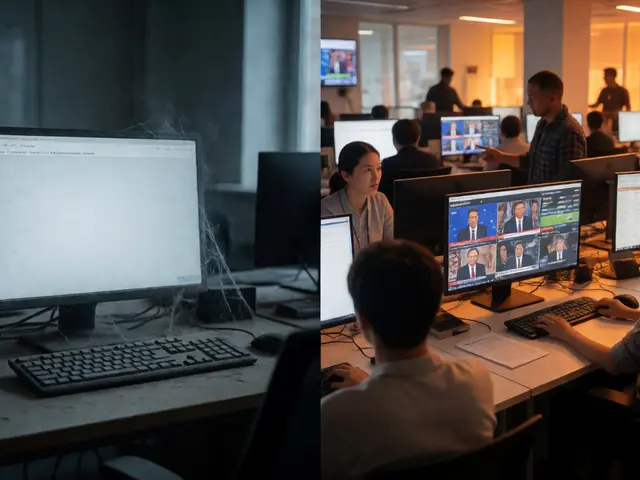
When a major conflict breaks out in the Middle East or a political election shakes up Europe, millions of people turn to Wikipedia is a free, web-based collaborative project that aims to compile all knowledge in the language of the user. It is operated by the non-profit Wikimedia Foundation and hosts content that is mostly authored by volunteer editors.. You might expect the front page to look like a breaking news ticker, but it doesn't. Instead, you get a calm, structured summary that tries to balance viewpoints from across the globe. How does a site with no single editor-in-chief achieve this? It relies on a strict set of community rules known as Neutral Point of View (NPOV), which requires articles to represent significant viewpoints fairly and proportionately.
The Core Principle: Neutral Point of View
At the heart of Wikipedia’s approach to international news is the concept of Neutral Point of View, often abbreviated as NPOV. This isn't about being politically neutral in a partisan sense; it's about representing what reliable sources say, regardless of whether those sources are from London, Beijing, or Nairobi. If a war is happening, the article shouldn't just quote one side's government statement. It needs to include reports from independent journalists, international organizations like the United Nations, and local media outlets from all affected regions.
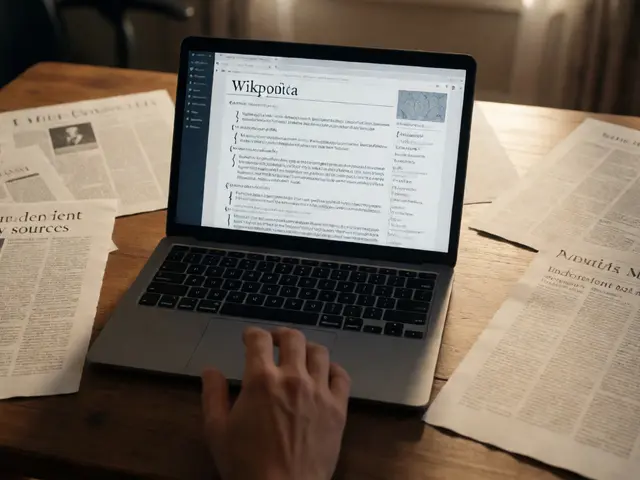
This creates a unique challenge. In many countries, state-controlled media dominates the narrative. Wikipedia editors must dig deeper to find Independent Sources, which are publications not owned by or closely affiliated with the subjects they cover. For example, if covering a protest in a specific region, relying solely on the national newspaper might skew the perspective. Editors look for wire services like Reuters or the Associated Press, as well as regional outlets that have established track records of accuracy.
Handling Bias in Real-Time Events
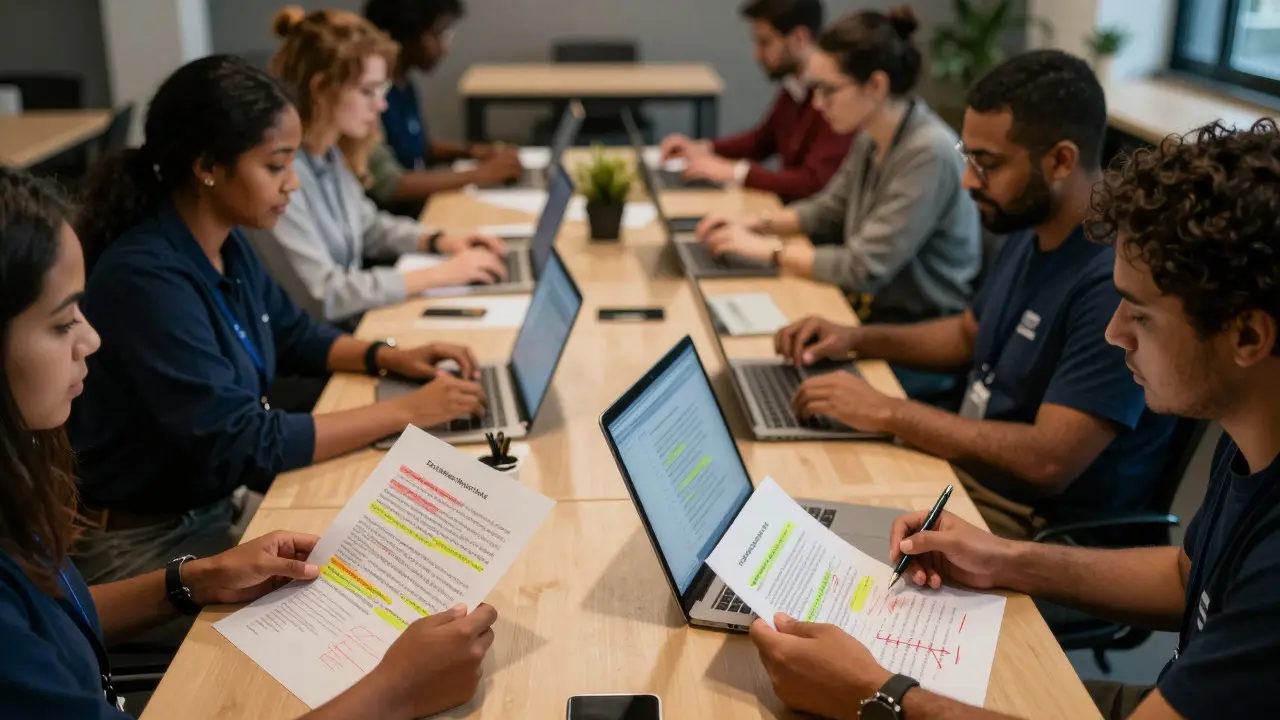
Covering news as it happens is tricky because facts change rapidly. A day after an event, we know more than we did at hour one. Wikipedia handles this through a process called Consensus Building, where editors discuss changes on talk pages before making major edits. If one editor adds a claim based on a social media post, another might remove it if it lacks a citation from a reputable outlet. This back-and-forth ensures that only verified information stays in the main article body.
However, bias can still creep in, especially during emotionally charged events. This is where the concept of Editorial Balance comes into play. Editors are encouraged to check their own assumptions. If you’re editing an article about a conflict in your home country, you might unconsciously favor local narratives. To combat this, the community encourages reading articles from different linguistic versions of Wikipedia, such as the French, German, or Chinese editions, to see how other cultures frame the same story.
The Role of Reliable Sources
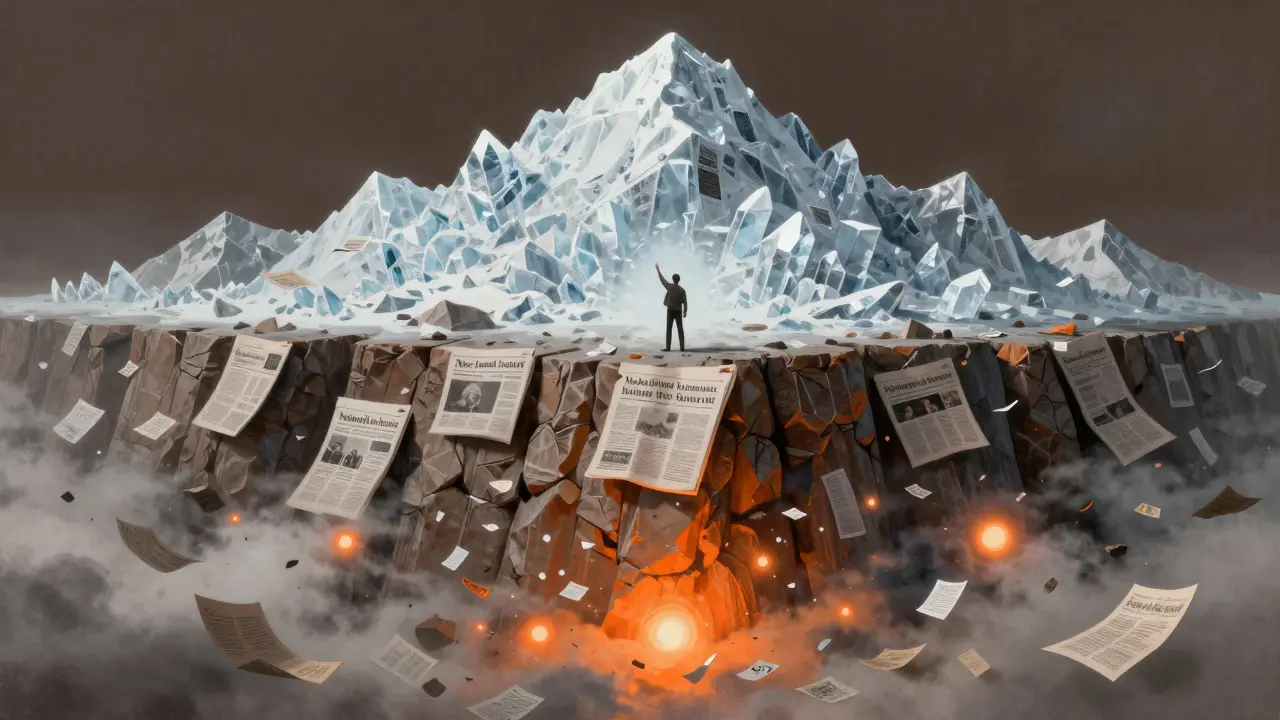
You can’t have global perspectives without solid sourcing. Wikipedia has a hierarchy of sources that guides editors on what to trust. At the top are peer-reviewed academic journals and major international news agencies. Below them are national newspapers and specialized magazines. At the bottom are blogs, personal websites, and social media posts, which are rarely used for main text claims unless the person themselves is the subject of the article.
For international news, this means looking for diversity in geography. An article about a climate summit shouldn't just cite US or European media. It should include reporting from African, Asian, and South American press. This geographic diversity in sourcing is a key metric for assessing the quality of a Wikipedia article on global issues.
| Source Type | Reliability Level | Typical Use Case | Potential Bias Risk |
|---|---|---|---|
| International Wire Services (Reuters, AP) | High | Factual reporting, timelines | Low, but may reflect Western-centric framing |
| National Newspapers | Medium-High | Local context, cultural nuance | Medium, reflects national interests |
| Academic Journals | Very High | Historical context, long-term analysis | Low, but often delayed publication |
| Social Media Posts | Variable | Real-time reactions, primary evidence | High, unverified and subjective |
Challenges in Achieving True Global Representation
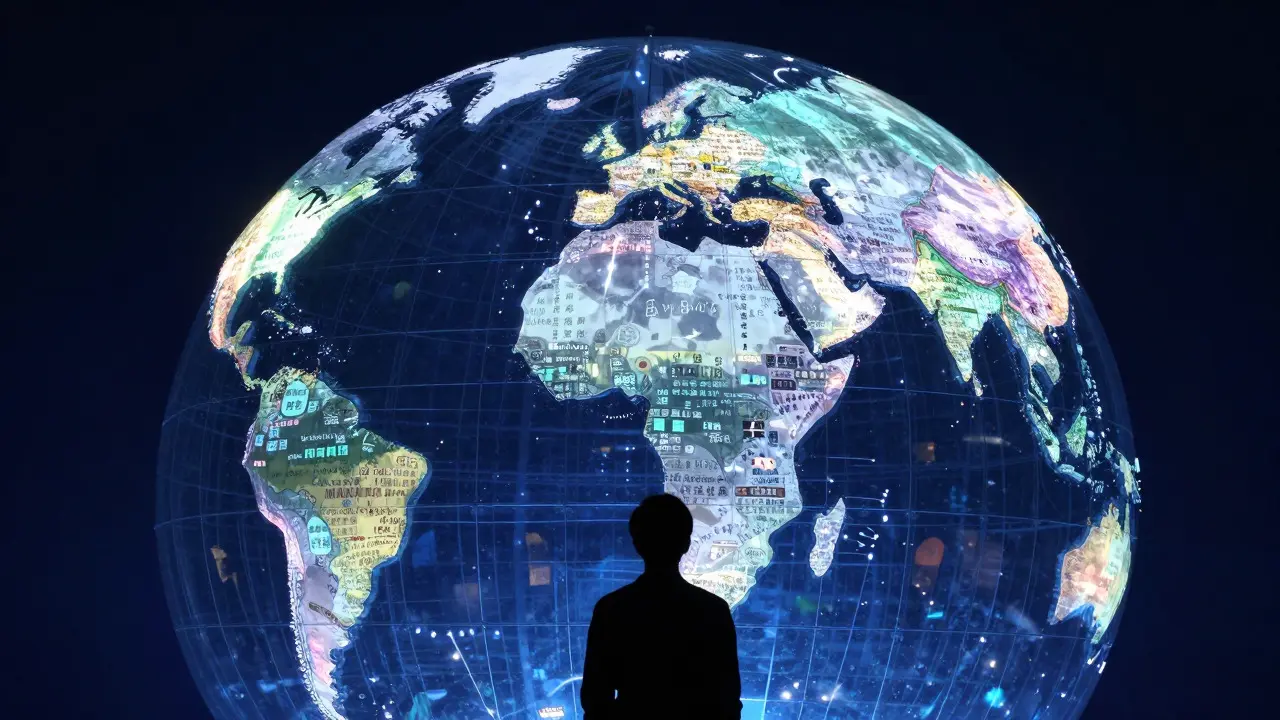
Despite these rules, Wikipedia is not perfect. Critics often point out that the platform has a demographic skew. Most active editors are male, live in North America or Europe, and speak English. This demographic reality affects which stories get covered and how deeply. A local disaster in a remote part of Africa might receive less attention than a similar event in Europe simply because fewer editors are monitoring that region.
To address this, the Wikimedia Foundation runs programs like Wiki Loves Monuments and various grant programs aimed at recruiting editors from underrepresented regions. These initiatives try to bring in voices from the Global South, ensuring that international news isn't just viewed through a Western lens. When these new editors join, they often add details that were previously missing, such as local names for places, indigenous perspectives, or nuances in legal terminology that differ from common law systems.
How Readers Can Evaluate Coverage
As a reader, you don't need to be an editor to assess the quality of a news article on Wikipedia. Start by checking the references section. Are the sources diverse? Do you see citations from multiple countries? If an article about a geopolitical dispute only cites sources from one side of the border, it’s likely incomplete.
Also, look at the talk page. This is where editors debate the content. While it can be messy, it offers transparency. You can see if there was a dispute over a particular fact and how it was resolved. If the talk page shows a history of edit wars, it might indicate that the current text is a compromise rather than a definitive truth. Understanding this dynamic helps you read Wikipedia not as a static textbook, but as a living document that is constantly being refined.
Future Directions for Global Journalism on the Web
The way we consume news is shifting. Traditional media outlets are struggling with declining readership, while digital platforms like Wikipedia are growing in authority. This shift puts pressure on encyclopedic sites to maintain high standards of journalism. The future of international news coverage on Wikipedia will likely involve more automated tools to detect bias and suggest missing sources from different regions.
Imagine an AI tool that scans an article and flags it if 90% of the sources come from the same country. Such technology could help ensure that global perspectives remain balanced even as the number of contributors grows. Until then, the human element remains crucial. Every edit is a small act of curation, aiming to present a world that is complex, multifaceted, and fair.
Is Wikipedia considered a reliable source for international news?
Yes, provided you use it correctly. Wikipedia is highly reliable for factual summaries and historical contexts because it requires citations from secondary sources. However, for breaking news, it may lag behind real-time updates. Always check the references to verify the underlying data.
How does Wikipedia prevent biased editing during conflicts?
Wikipedia uses a consensus model where changes are discussed on talk pages before implementation. Editors rely on Neutral Point of View guidelines, which mandate using multiple independent sources from different sides of a conflict to ensure fairness.
What is the difference between a wiki and a traditional news site?
Traditional news sites have professional editors who make final decisions on content. Wikis like Wikipedia are collaborative, allowing any user to edit, with changes reviewed by the community. This makes wikis more transparent but slower to update than real-time news feeds.
Do Wikipedia editors get paid to write articles?
Most editors are volunteers who contribute in their spare time. The Wikimedia Foundation employs staff for technical support and outreach, but the core content creation is done by unpaid community members worldwide.
How can I tell if a Wikipedia article has good global representation?
Check the reference list for geographic diversity. A well-balanced article on international topics will cite sources from multiple continents, not just the US or UK. Also, look for links to other language versions of the article, which can provide additional cultural context.