Most people think Wikipedia is a place where facts are stored. It is actually a social machine. The quality of the content depends less on how much we know and more on how well we talk to each other. If you have ever tried to edit an article and felt stuck by rigid rules or confusing debates, you are not alone. The friction comes from a unique mix of academic rigor and internet chaos. To fix this, we can look at how other successful online groups handle conflict, onboarding, and motivation. By borrowing specific tactics from gaming forums, open-source codebases, and fan wikis, we can make contributing to the world's largest encyclopedia feel less like a job and more like a shared hobby.
Key Takeaways
- Onboarding is the biggest barrier; simplifying the first edit experience increases long-term retention significantly.
- Borrowing gamification elements from gaming communities helps sustain user engagement without compromising accuracy.
- Clear role definitions, similar to those in open-source software projects, reduce conflict between editors with different skill levels.
- Fan-based communities excel at visual consistency, a lesson Wikipedia can apply to improve image usage standards.
- Decentralized moderation models work better than top-down enforcement for maintaining trust in large-scale collaborations.
The Onboarding Gap: Why New Editors Quit
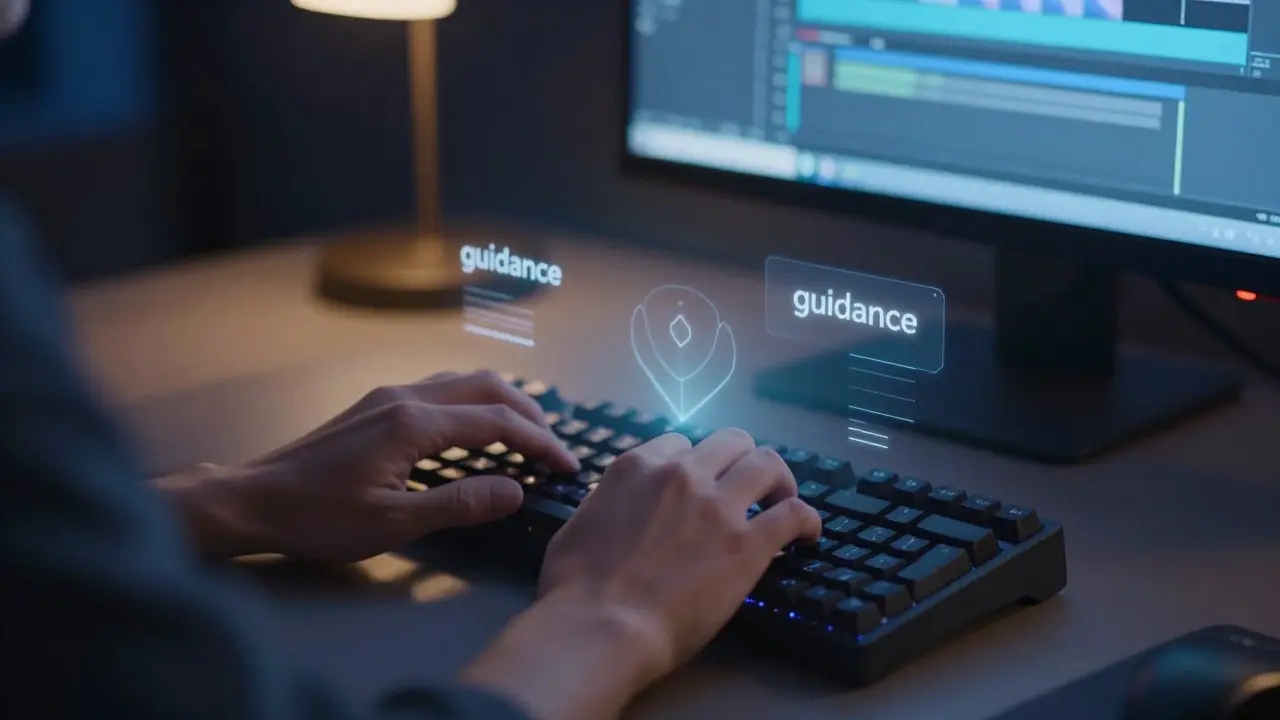
When a new user opens the editor, they face a wall of complexity. They see version history, talk pages, and references that require specific formatting. In contrast, platforms like Reddit or Discord offer instant feedback. You post, people react, you stay. Wikipedia requires patience. Data from recent retention studies shows that over 70% of new accounts never make a second edit. The reason isn't lack of interest; it's lack of guidance. Gaming communities solve this with "tutorials" that are interactive and forgiving. Imagine if Wikipedia had a sandbox mode where mistakes didn't count against your reputation. Instead of just linking to help pages, we need embedded, real-time hints. When a user tries to add a reference without a source, a friendly tooltip should appear immediately, explaining exactly what is missing. This shifts the learning curve from steep to gradual. The goal is to make the first five minutes feel like success, not failure.
Gamification Without Gimmicks
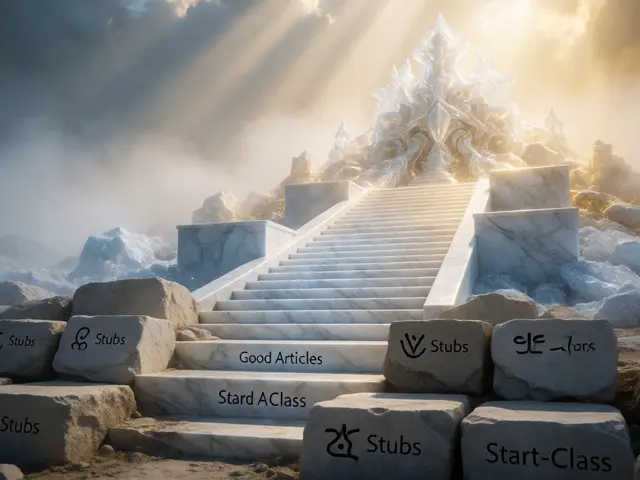
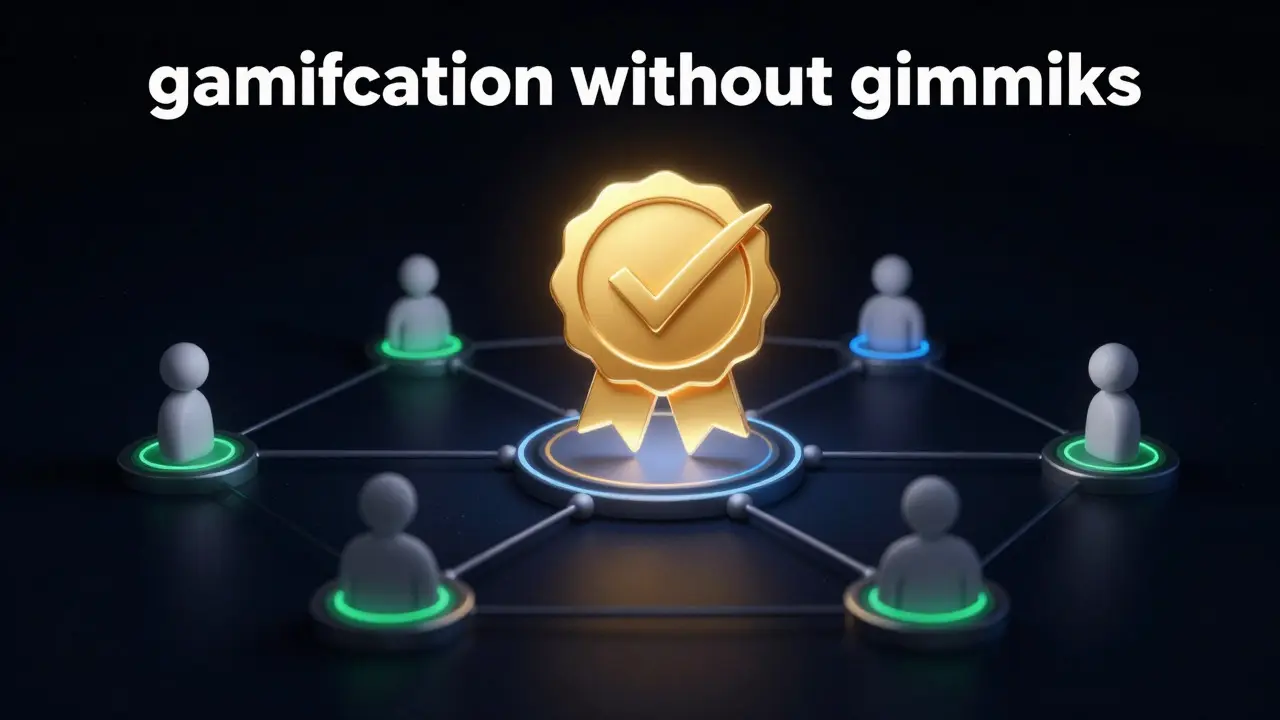
We often hear that gamification ruins serious work. That’s a myth. Look at Duolingo. It uses streaks and badges to keep people learning languages. It works because the rewards align with the core activity. For Wikipedia, we don't need points for every edit. We need recognition for high-quality contributions. Think about how GitHub handles pull requests. When your code gets merged, it feels good. It’s visible proof of contribution. Wikipedia could implement a "Verified Contribution" badge that appears next to your username after a certain number of accepted edits. This isn't about competition; it's about validation. Users who feel seen are users who stay. We can also borrow from fitness apps, using simple progress bars to show how close an article is to becoming a "Featured Article." This turns abstract goals into tangible steps. The key is keeping the metrics simple so they don't encourage spam or low-effort edits.
Role Clarity in Collaborative Spaces
In many online conflicts, the issue isn't the fact; it's the role. One person thinks they are a historian, another thinks they are a copyeditor, and a third thinks they are a policy enforcer. In Linux kernel development, roles are defined by expertise, not seniority. A maintainer approves patches based on technical merit, not tenure. Wikipedia has administrators, but their power is often misunderstood. We need clearer pathways for specialized roles. Imagine a "Subject Matter Expert" tag that allows users to flag themselves as specialists in niche topics like marine biology or medieval architecture. When a dispute arises, the community can look at these tags to weigh opinions appropriately. This doesn't create a hierarchy of status; it creates a map of competence. It helps new editors know who to ask for help. It helps veterans know when to step back and let the specialist lead. This structure reduces ego-driven fights and focuses energy on the content itself.
Visual Standards from Fan Wikis
Fan communities, such as those around Star Wars or Marvel, are masters of visual storytelling. Their wikis are dense with images, infoboxes, and consistent styling. Wikipedia often struggles with image placement and caption quality. We can learn from the fan wiki approach to visual consistency. They use templates that enforce uniform layout across all articles in a series. Wikipedia has templates too, but they are often optional or inconsistent. Adopting a stricter visual standard for major categories would improve readability. For example, all biography articles could follow a single, robust template that ensures photos, dates, and key facts are presented identically. This makes scanning easier for readers. It also makes editing faster because contributors don't have to guess the format. The result is a cleaner, more professional look that matches the authority of the content.
Decentralized Moderation Models
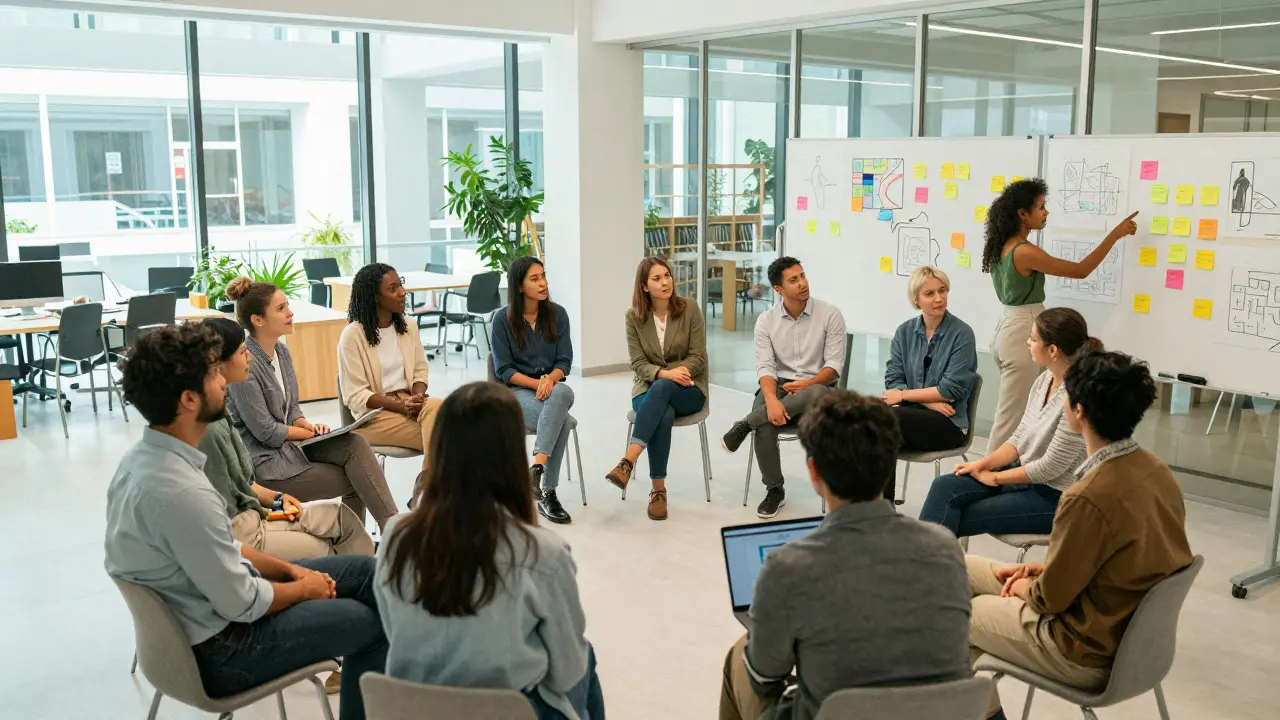
Top-down moderation breeds resentment. If one group of admins decides the rules, others feel excluded. Successful decentralized networks, like early peer-to-peer file sharing protocols, relied on consensus and reputation. Wikipedia already has arbitration committees, but they are seen as distant. We can bring moderation closer to the community level. Localized "councils" for specific topics could handle disputes within their domain. These groups would be elected by active editors in that field. Their decisions would be binding only for that topic area. This distributes the workload and builds trust. People are more likely to accept a decision made by peers who understand the nuance of the subject. It moves the system away from a police state model toward a self-governing society model. This is harder to manage technically, but it is far healthier socially.
| Strategy | Source Community | Application to Wikipedia | Expected Benefit |
|---|---|---|---|
| Interactive Tutorials | Gaming Forums | Sandbox mode with real-time hints | Higher new user retention |
| Visible Progress Badges | Duolingo / GitHub | Verified Contribution tags | Increased motivation and engagement |
| Expertise-Based Roles | Open Source Software | Subject Matter Expert flags | Reduced conflict, better dispute resolution |
| Uniform Visual Templates | Fan Wikis | Mandatory layout standards for key categories | Improved readability and consistency |
| Local Consensus Groups | Decentralized Networks | Topic-specific arbitration councils | Greater trust and distributed workload |
Cultural Shifts Required
Implementing these changes requires more than technical updates. It requires a shift in mindset. Currently, Wikipedia culture can feel defensive. Edits are often viewed as attacks rather than improvements. Borrowing from the "growth mindset" popular in educational technology, we can reframe editing as iterative improvement. No article is perfect on day one. Every edit is a step forward. This language change matters. It lowers the stakes for newcomers. It encourages veterans to be patient. It transforms the environment from a courtroom to a workshop. Workshops have tools, yes, but they also have teachers and peers helping you find them. That is the atmosphere we need to build. It is not about lowering standards; it is about making the path to meeting those standards clearer and kinder.
Practical Steps for Contributors
If you want to contribute to this evolution, start small. Here are three actions you can take today:
- Adopt a Mentor Role: Pick one new editor per month. Leave a constructive note on their talk page offering one specific tip. Do not critique their entire edit. Just give one piece of useful advice. This builds the culture of helpfulness.
- Standardize Your Templates: Choose one category you care about. Work with others to refine the main template used for articles in that category. Ensure it includes clear placeholders for images and sources. Share this improved template with the community.
- Document Success Stories: When you resolve a difficult dispute or onboard a new user successfully, write it up. Share it in relevant discussion spaces. Highlighting what works reinforces positive behaviors. It gives others a blueprint for handling similar situations.
These small actions compound. Over time, they reshape the norms of the community. We don't need to reinvent Wikipedia. We just need to import the best practices from other places where humans collaborate effectively. The technology is ready. The knowledge exists. What we need is the will to share it openly and apply it wisely.
Does gamification ruin the seriousness of Wikipedia?
No, provided the rewards align with quality. Badges for verified, high-quality edits reinforce the value of accuracy. The key is avoiding metrics that reward quantity over substance, such as points for every minor tweak.
How can new editors avoid getting overwhelmed by complex rules?
Focus on one specific topic area first. Use the sandbox to practice without pressure. Seek out mentors who specialize in that topic. Avoid trying to master all policies at once; learn them as you encounter them in your specific context.
What is the difference between a fan wiki and Wikipedia in terms of standards?
Fan wikis prioritize completeness and visual appeal for fans, while Wikipedia prioritizes neutral point of view and verifiability for general audiences. However, fan wikis often have stronger visual consistency, which Wikipedia can adopt to improve user experience without sacrificing neutrality.
Why do most new Wikipedia accounts stop editing?
The primary reasons are lack of immediate feedback, confusion over formatting requirements, and fear of criticism. Simplifying the initial interface and providing real-time guidance can significantly reduce this drop-off rate.
Can decentralized moderation replace current arbitration processes?
It can complement them. Topic-specific councils can handle routine disputes faster and with more contextual understanding. Complex, cross-topic issues would still require central arbitration. This hybrid model reduces the burden on central admins and increases local accountability.