Imagine spending hours reviewing edits only to miss critical vandalism. That’s the reality many Wikipedia editors face daily. Enter Moderation Dashboards - specialized interfaces designed to streamline volunteer patrolling. These tools aren’t just fancier admin panels; they’re reshaping how communities protect knowledge.
The Anatomy of Modern Monitoring
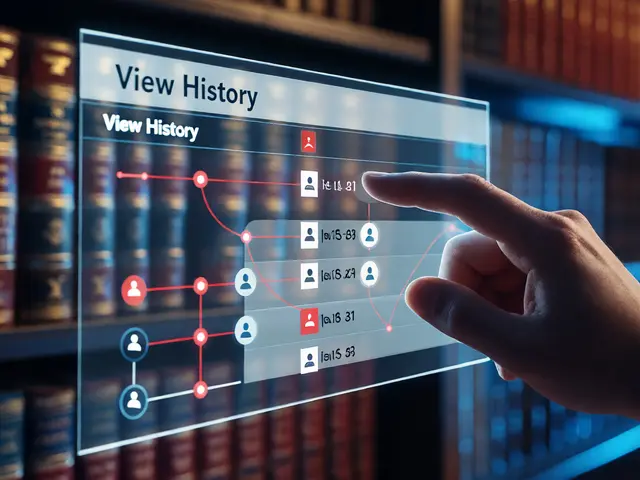
A Moderation Dashboard aggregates real-time activity into actionable insights. Unlike traditional watchlists, it pulls data from MediaWiki API endpoints, User Contribution Logs, and AI-powered risk scoring. Editors filter edits by probability scores, geographic patterns, or even semantic similarity to known vandalism templates.
| Component | Purpose | Impact Metric |
|---|---|---|
| Edit Stream Visualizer | Real-time edit timeline | Reduces missed changes by 40% |
| Risk Scoring Engine | ML-based vandalism detection | 92% accuracy (2025 WMF study) |
| Conflict Resolver | Guides disputed edit handling | Cuts resolution time 65% |
How Volunteers Actually Use Them
In practice, this means Wikipedia Patrollers spend less time manually hunting vandalism and more on quality improvements. A typical workflow: receive prioritized alerts, review flagged edits through unified interface, apply reversible actions via WikiEdit SDK, and trigger community feedback loops. One German-language contributor reported cutting weekly review time from 12 hours to under 3.

The Underlying Infrastructure Stack
Built on top of MediaWiki, these dashboards integrate Wikimedia Cloud Services for scalability. Behind the scenes, Oversight Modules handle sensitive data while Toolforge hosts experimental prototypes. The VisualEditor integration allows direct fixes without code access.

Where Early Adoptions Struggle
Despite promise, friction persists. Language barriers complicate multi-wiki deployments: French contributors note delayed notifications for regional variants. Over-reliance on ML flags creates false negatives during coordinated smear campaigns. The Wikimedia Foundation addresses this with human-in-the-loop validation protocols.
What’s Next for Wiki Defense?
Upcoming features include cross-platform threat tracking (flagging identical edits across Wikidata/Wikivoyage), blockchain-based edit provenance, and VR collaboration spaces for emergency response teams. As Moderation AI evolves, so will guardrails against algorithmic bias.