Accessible Education on Wikipedia: How Free Knowledge Reaches Everyone
When we talk about accessible education, the principle that learning resources should be available to everyone, regardless of income, location, or ability. Also known as equitable education, it’s not just a goal—it’s the foundation of Wikipedia’s mission. Unlike textbooks that cost hundreds of dollars or online courses locked behind subscriptions, Wikipedia gives you the same depth of information for free, anytime, anywhere. And it’s not just about being free—it’s about being usable. Whether you’re on a $50 phone in rural India, using a screen reader in the U.S., or learning English as a second language in Nigeria, Wikipedia adapts. That’s what makes it different from every other encyclopedia ever built.
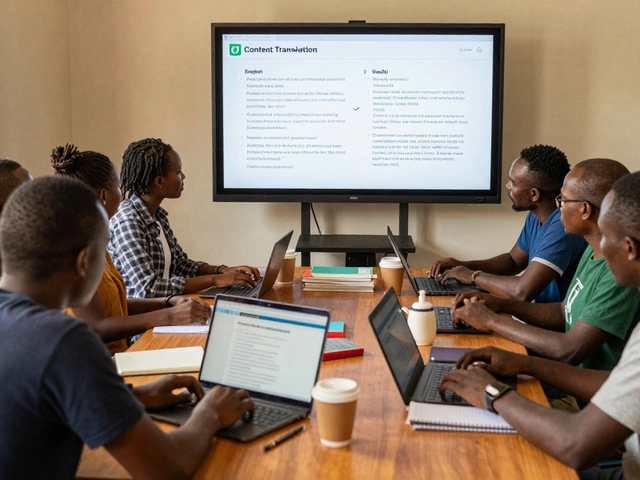
Behind this accessibility are tools and practices most people never see. TemplateWizard, a simple form-based tool that helps new editors build citations and infoboxes without learning complex code, cuts the learning curve in half. mobile editing, the ability to fix typos or add sources right from your phone lets people contribute during breaks, on buses, or between jobs. And content translation, the system that helps editors turn articles from English into Swahili, Bengali, or Quechua with AI-assisted suggestions, is shrinking the language gap. These aren’t nice-to-haves—they’re lifelines for communities that have been left out of traditional education systems.
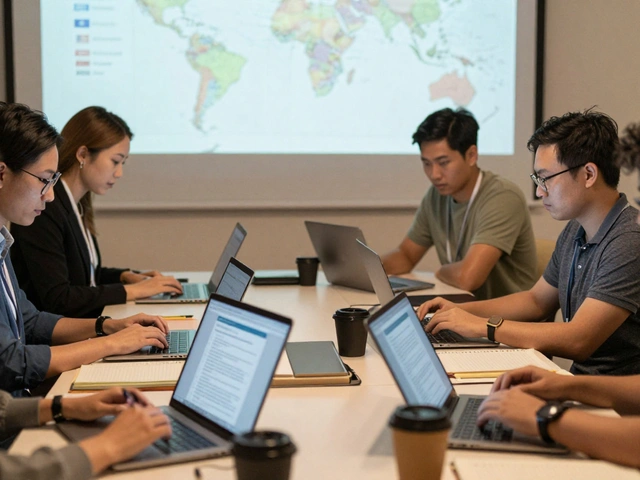
But accessibility isn’t just about technology. It’s about who gets to write the knowledge. That’s why Edit-A-Thons, local events that train students, librarians, and community leaders to edit Wikipedia in their own languages, are growing fast—from universities in Brazil to refugee camps in Jordan. Librarians, educators, and volunteers aren’t just adding facts—they’re fixing decades of bias. When a student in Kenya writes about their local history, or a deaf educator adds captions to media files, they’re not just editing a page. They’re making education real for people who were never supposed to be part of the conversation.
What you’ll find below isn’t a list of random articles. It’s a map of how Wikipedia turns the idea of accessible education into something real. From how editors fix gaps in coverage for underrepresented cultures, to how search tools work for people typing imperfect queries, to how tools like CirrusSearch handle typos and broken links—every post here shows the quiet, relentless work behind free knowledge for all.
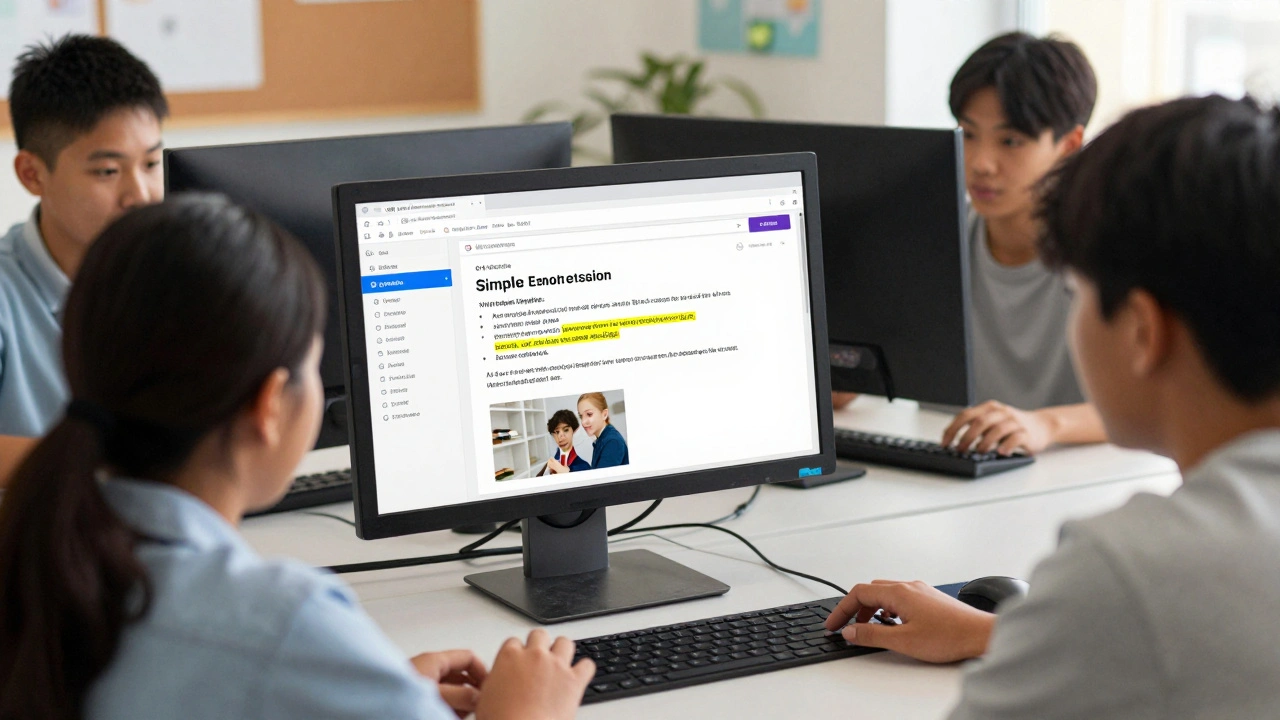
How to Use Wikipedia for Accessibility and Inclusive Teaching
Wikipedia can transform inclusive education by offering accessible, multilingual, and collaborative learning materials. Learn how teachers use it to support students with disabilities, language barriers, and diverse learning styles through real editing projects.
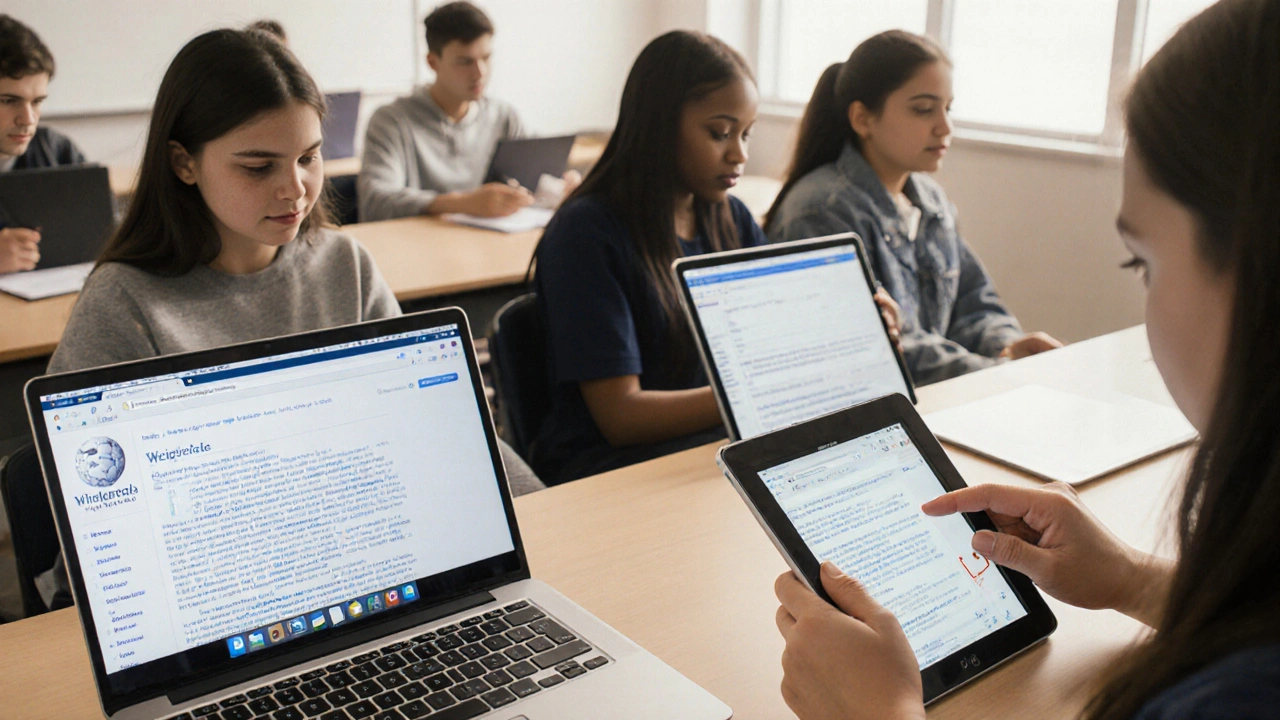
Accessibility Considerations for Educational Use of Wikipedia
Wikipedia is widely used in education, but its accessibility issues can exclude students with disabilities. Learn how teachers and students can make Wikipedia work for everyone through simple fixes, tools, and teaching strategies.