AI and encyclopedias: How artificial intelligence is changing Wikipedia and knowledge sharing
When you think of AI and encyclopedias, the intersection of artificial intelligence systems and human-curated knowledge platforms like Wikipedia. Also known as machine learning in open knowledge, it automated encyclopedia editing, it's not science fiction—it's the daily reality on Wikipedia, where bots make over 10 million edits a month, many of them correcting grammar, adding citations, or blocking spam before a human even sees it.
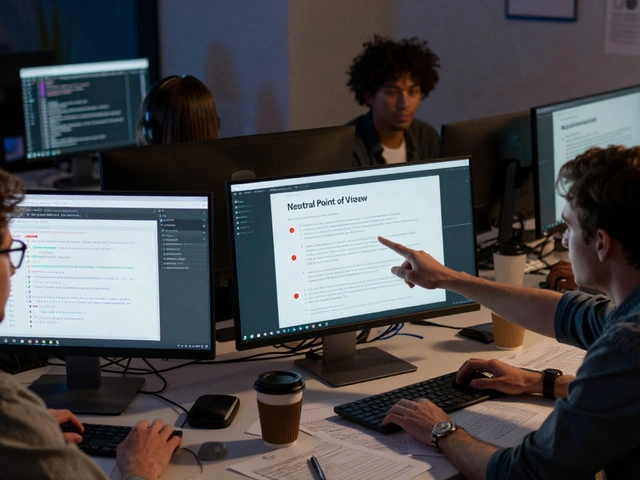
Behind the scenes, Wikipedia automation, the use of AI-powered tools to handle repetitive or high-volume editing tasks is quietly keeping the site running. Tools like TemplateWizard, a form-based editor that helps users create citations and infoboxes without wikitext errors and CirrusSearch, Wikipedia’s custom search engine built on Elasticsearch rely on AI to make editing faster and searching smarter. But automation isn’t perfect. AI can miss context, reinforce bias, or accidentally delete nuanced content because it doesn’t understand cultural or historical weight. That’s why human editors still control the final call on what stays—and what gets reverted.
The biggest tension? AI bias in knowledge, how training data from Western sources skews Wikipedia’s global coverage. If an AI tool is trained mostly on English-language sources, it’ll push edits that favor Anglo-American perspectives. That’s why debates over neutrality aren’t just about politics—they’re about whose knowledge gets prioritized by machines. Editors are pushing back, demanding better training data, transparency in AI tools, and community review of automated suggestions. The result? A growing movement to keep AI as a helper, not a gatekeeper.
You’ll find posts here that show exactly how this plays out: from bots that catch copy-pasted text and spam, to editors using AI tools to spot gaps in coverage on underrepresented topics. You’ll see how students and librarians are teaching others to use AI responsibly, and how Wikipedia’s own engineering team is designing tools that don’t just optimize for speed—but for fairness. This isn’t about replacing humans. It’s about making sure humans stay in control of the knowledge we all depend on.
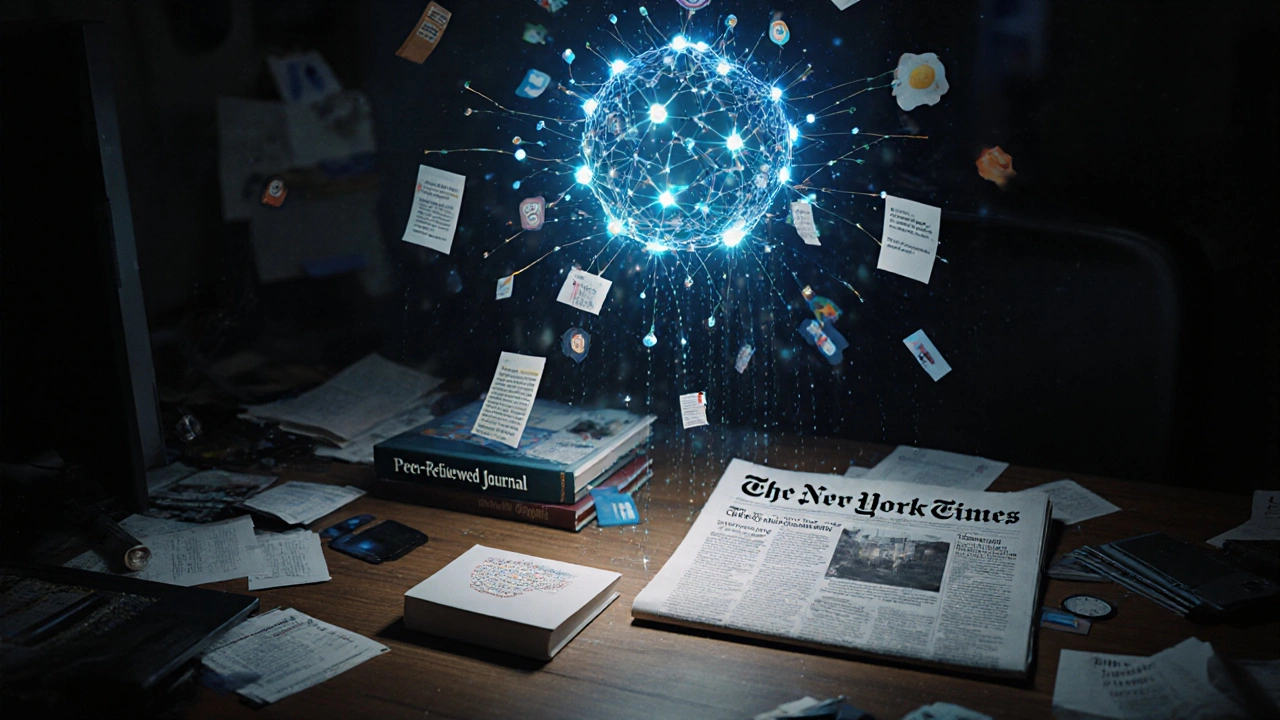
How Wikipedia’s Sourcing Standards Fix AI Misinformation
AI often generates false information because it lacks reliable sourcing. Wikipedia’s strict citation standards offer a proven model to fix this-by requiring verifiable sources, not just confident-sounding guesses.