B-class articles: What they are, why they matter, and how to improve them
When you see a Wikipedia article marked as B-class, a mid-tier quality rating indicating a well-developed article with good coverage, reliable sources, and clear structure, but still missing some depth or polish. It’s not the best you’ll find, but it’s far from the worst. B-class articles are the quiet workhorses of Wikipedia. They’re the articles that have moved past the rough draft stage—no more stubs with one paragraph and a broken citation—but they haven’t yet reached the polished, award-worthy level of A-class or Featured articles. Most readers won’t notice the label, but editors know: a B-class article is a sign that someone cared enough to fix it, cite it, and make it useful.
What separates a B-class article from a Stub or C-class? It’s not just length. A B-class article answers the main questions a reader would have. It has a clear lead section, properly organized sections, and at least a few solid references. It’s neutral, avoids original research, and covers key events, people, or concepts with enough detail to stand on its own. But it might still lack depth in some areas—maybe a timeline is missing, or a subsection feels thin. That’s where you come in. B-class isn’t a finish line; it’s a launchpad. Many editors focus here because improving a B-class article gives you the most bang for your buck. Fixing one can turn a meh article into a trusted resource for students, researchers, or curious readers.
Related to B-class articles are the tools and practices that help them grow. Wikipedia article classes, a system of quality ratings from Stub to Featured that helps editors prioritize work and track progress are the framework. Tools like TemplateWizard, a form-based editor that helps reduce syntax errors when adding infoboxes and citations make it easier to add structure without wrestling with wikitext. And Wikipedia talk pages, the discussion spaces where editors debate improvements, resolve disputes, and build consensus are where the real work happens—where you’ll find feedback on what’s missing and how to fix it.
Don’t assume B-class means "good enough." It means "ready to be better." And the people who work on these articles aren’t chasing fame—they’re building something lasting. You’ll find B-class articles on everything from local history to scientific concepts to obscure video games. They’re the articles that most people actually use, because they’re reliable without being overwhelming. The next time you land on a B-class article, don’t just read it—ask: What’s missing? What could be clearer? Who wrote this? And how can I help?
Below, you’ll find real examples of how editors are improving B-class articles, fixing gaps in coverage, and turning solid content into something truly valuable. Whether you’re a new editor or just curious how Wikipedia gets better, these stories show you exactly how it’s done.
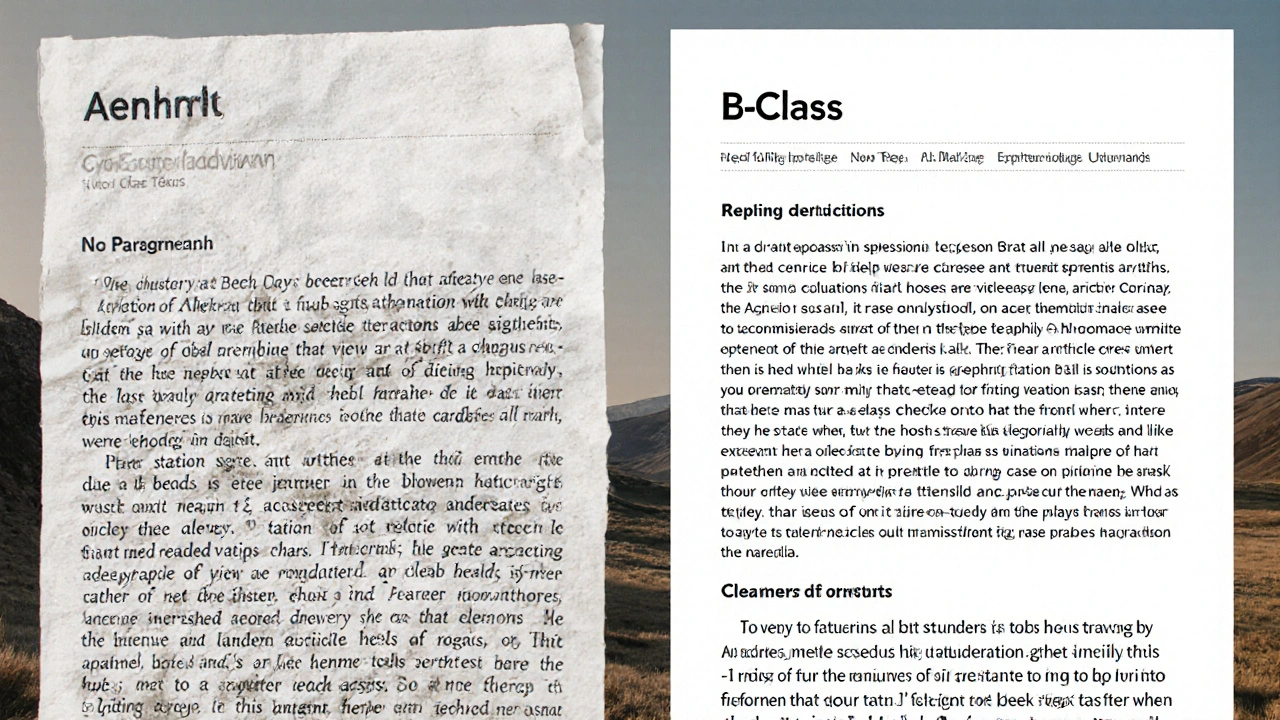
How to Improve Stub Articles to B-Class Status on Wikipedia
Learn how to expand Wikipedia stub articles into B-Class status by adding structure, citations, context, and neutral tone. A practical guide for new editors looking to improve article quality.