Coaching Programs on Wikipedia: How Volunteers Guide New Editors
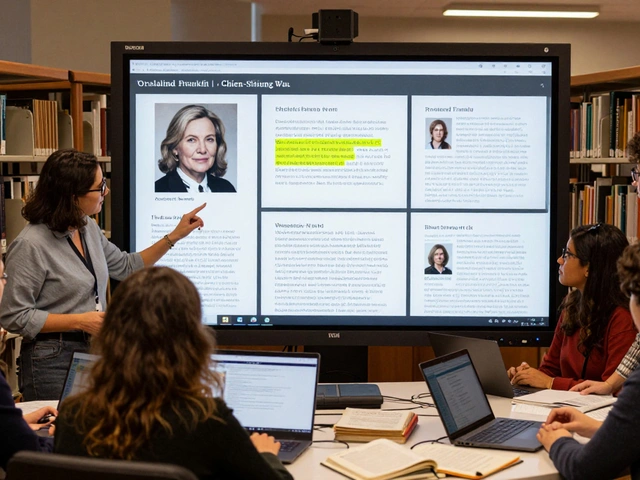
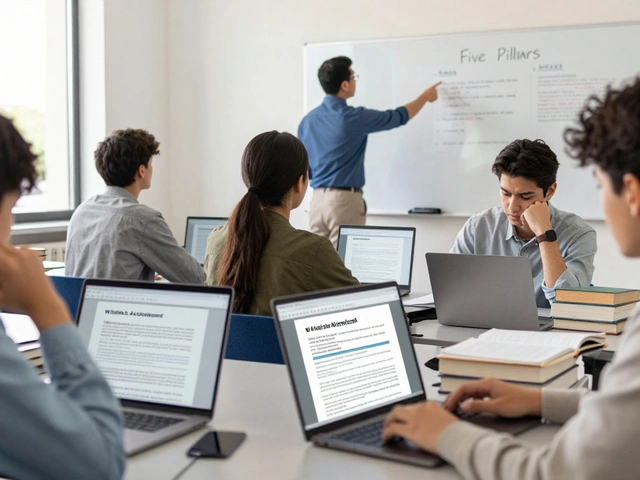
When someone wants to edit Wikipedia for the first time, they don’t just jump in—they often get help from a coaching program, a structured support system where experienced Wikipedia editors mentor newcomers to learn policies, tools, and community norms. Also known as editor onboarding, these programs turn confusion into confidence by pairing beginners with trained volunteers who answer questions, review edits, and offer feedback without judgment. Unlike formal courses, coaching happens in real time on talk pages, through chat tools, or during live edit-a-thons. It’s not about teaching theory—it’s about showing you how to fix a citation, avoid vandalism, or write neutrally when you’re passionate about a topic.
These programs rely on three key pieces: Wikipedia education program, a global initiative that connects classrooms with Wikipedia editing, training students to become reliable contributors, WikiProject tools, banners, worklists, and assessment systems that help coaches track progress and identify articles needing improvement, and The Signpost, Wikipedia’s community-run news outlet that highlights coaching successes, policy updates, and editor challenges. Together, they create a feedback loop: new editors learn, contribute, get reviewed, and eventually become coaches themselves. This cycle keeps Wikipedia alive—not because it’s perfect, but because people keep showing up to help each other get better.
Coaching isn’t just for students or casual users. Journalists, librarians, and even professors join these programs to learn how to use Wikipedia responsibly—or how to help others use it right. Some coaches focus on fixing misinformation in high-risk news articles. Others help underrepresented communities add their stories to the encyclopedia through GLAM-Wiki partnerships. The tools are simple: Huggle for spotting bad edits, the Wikipedia Library for accessing paywalled sources, and pending changes filters to protect sensitive pages. But the real magic is in the human connection—the patience, the clarity, the willingness to say, "Here, let me show you."
What you’ll find below are real stories from inside these coaching networks: how editors learned to cite sources, how communities built training materials from scratch, and how a single conversation on a talk page can change someone’s entire relationship with knowledge. These aren’t abstract guides—they’re lived experiences that keep Wikipedia accurate, inclusive, and surprisingly human.
How Mentorship and Coaching Programs Boost Wikipedia Editor Retention
Mentorship and coaching programs on Wikipedia significantly improve editor retention by offering personal support, reducing feelings of isolation, and helping newcomers navigate complex community norms. Data shows those with guidance are far more likely to stay and become leaders.