Community Demographics on Wikipedia: Who Writes the World's Largest Encyclopedia?
When you read a Wikipedia article, you’re seeing the work of millions of volunteers—but not everyone has an equal chance to contribute. community demographics, the makeup of who edits, where they live, and what backgrounds they come from. Also known as editor diversity, it determines whether your culture, language, or perspective shows up in the encyclopedia—or gets left out. This isn’t just about numbers. It’s about whose knowledge counts.
Most Wikipedia editors live in North America and Europe, even though most internet users don’t. That’s why articles about local history in Nigeria or traditional medicine in Indonesia often lack depth, while articles about American TV shows or German football clubs get dozens of detailed edits. geographic bias, the uneven distribution of editing power across regions is one of the biggest hidden problems in open knowledge. And it’s not just location. Women and non-binary people make up less than 20% of active editors, which affects how topics like gender, health, and family are covered. Meanwhile, older adults and people without high-speed internet or formal education often can’t participate at all. Wikimedia contributors, the global network of volunteers who build Wikipedia and its sister projects aren’t a random sample of humanity—they’re a narrow slice.
Why does this matter? Because if only a small group writes the rules, the knowledge reflects their priorities. A student in rural India might struggle to find reliable info on their local crops. A researcher in Brazil might not find enough sources on indigenous languages. The tools and policies that keep Wikipedia running—like edit filters, talk page norms, and article quality ratings—were mostly designed by people with stable internet, time off work, and familiarity with English. That’s why outreach programs like Edit-A-Thons, local events that train new editors, especially in underrepresented communities are so important. They don’t just add articles. They change who gets to write history.
What you’ll find below are real stories and data-driven reports about who edits Wikipedia, why they stop, and how the community is trying to fix the imbalance. From tools that help mobile users in low-bandwidth areas, to campaigns that bring in librarians, educators, and indigenous knowledge keepers—this collection shows the quiet, ongoing effort to make Wikipedia truly global. Not just in content, but in who creates it.
How Wikipedia Editors Behave During Major Events
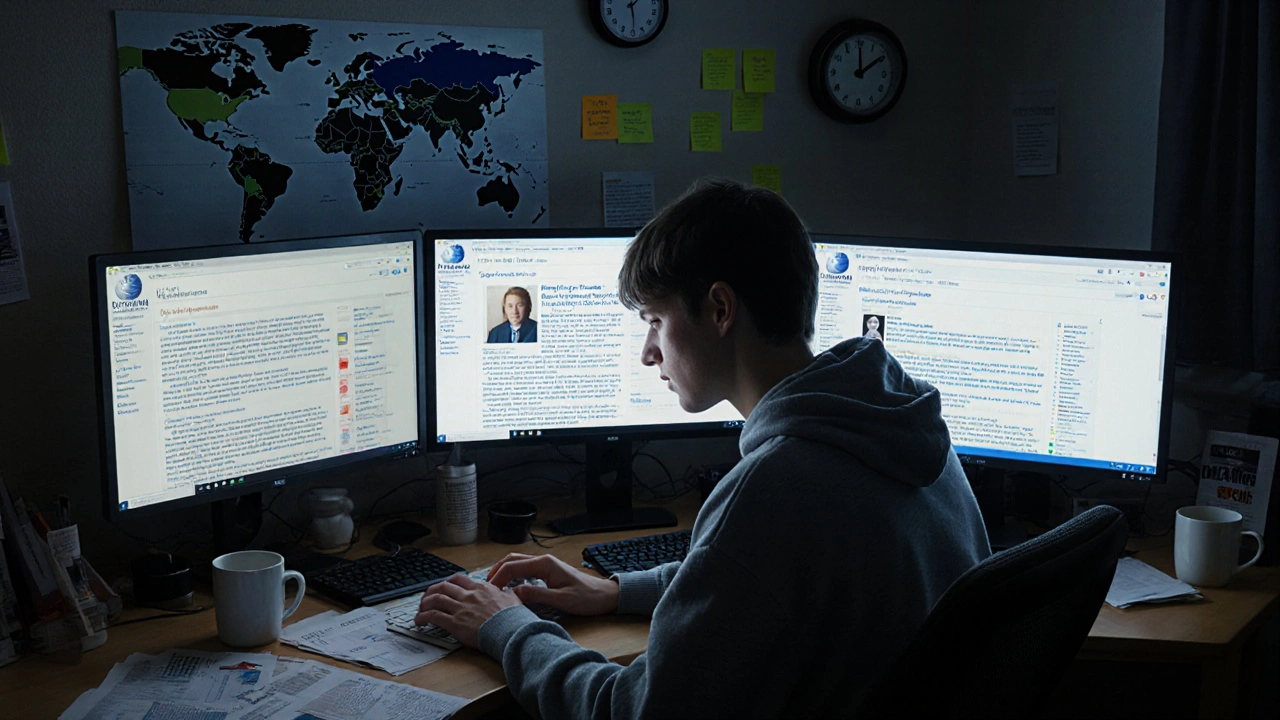
Wikipedia editors rush to update articles during major events, driven by strict sourcing rules and community norms. Their behavior reveals who contributes, why, and how global knowledge stays accurate in real time.