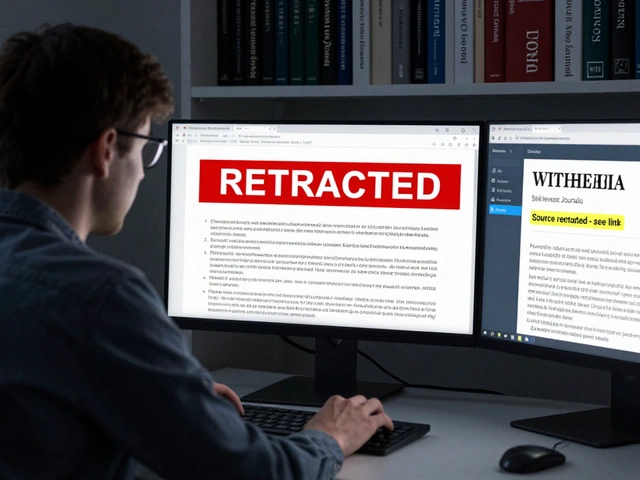
Conflicts of Interest on Wikipedia: How Editors Stay Neutral and Keep Trust
When someone edits Wikipedia to promote themselves, their employer, or a cause they’re financially tied to, that’s a conflict of interest, a situation where personal gain could influence the neutrality of content. It’s not against the rules to edit if you have a connection—but it’s against the rules to hide it. Wikipedia’s entire credibility rests on one idea: content must be written by people who aren’t trying to sell you something. That’s why undisclosed paid editing, corporate PR pushes, and activist campaigns get flagged, reverted, and sometimes banned.
Wikipedia doesn’t trust good intentions. It trusts transparency. If you work for a company and want to update its page, you must say so on the article’s talk page. You can’t just make changes and hope no one notices. Editors use tools like the conflict of interest noticeboard, a community hub where suspected bias is reviewed and discussed to spot hidden agendas. They also check edit histories for patterns: sudden bursts of edits after a press release, removal of negative facts, or repeated reverts by the same user. The Wikipedia Library, a free access program for academic sources that helps editors verify claims without paywalls is often used to back up edits with solid sources—especially when dealing with think tanks, lobbying groups, or universities with clear biases.
It’s not just about money. A professor writing about their own research, a fan updating a band’s page, or a local historian pushing a regional narrative—all of these can create conflicts if not handled openly. That’s why Wikipedia requires reliable sources, independent, published material that isn’t self-published or promotional to back up every claim. A company blog doesn’t count. A peer-reviewed journal does. A news article from a major outlet? That’s gold. The system isn’t perfect, but it’s designed to make bias visible, not invisible. When someone tries to sneak in a favorable quote or delete criticism, other editors notice. They check the history. They ask questions. They demand proof.
That’s why Wikipedia’s most trusted articles aren’t the ones with the most edits—they’re the ones with the most scrutiny. The page on a controversial politician? It’s been reviewed by dozens of people with opposing views. The article on a new drug? It’s tied to medical journals, not press releases. The system works because it doesn’t rely on one person’s honesty. It relies on thousands of people watching each other.
What you’ll find below are real stories of how this plays out: how editors catch hidden agendas, how policies evolved to stop corporate manipulation, how volunteers use tools to spot biased edits before they go live, and why Wikipedia’s rules on conflicts of interest are stricter than most newsrooms. This isn’t theory. It’s practice. And it’s the reason Wikipedia stays the most-used reference site on the planet—even when people try to break it.
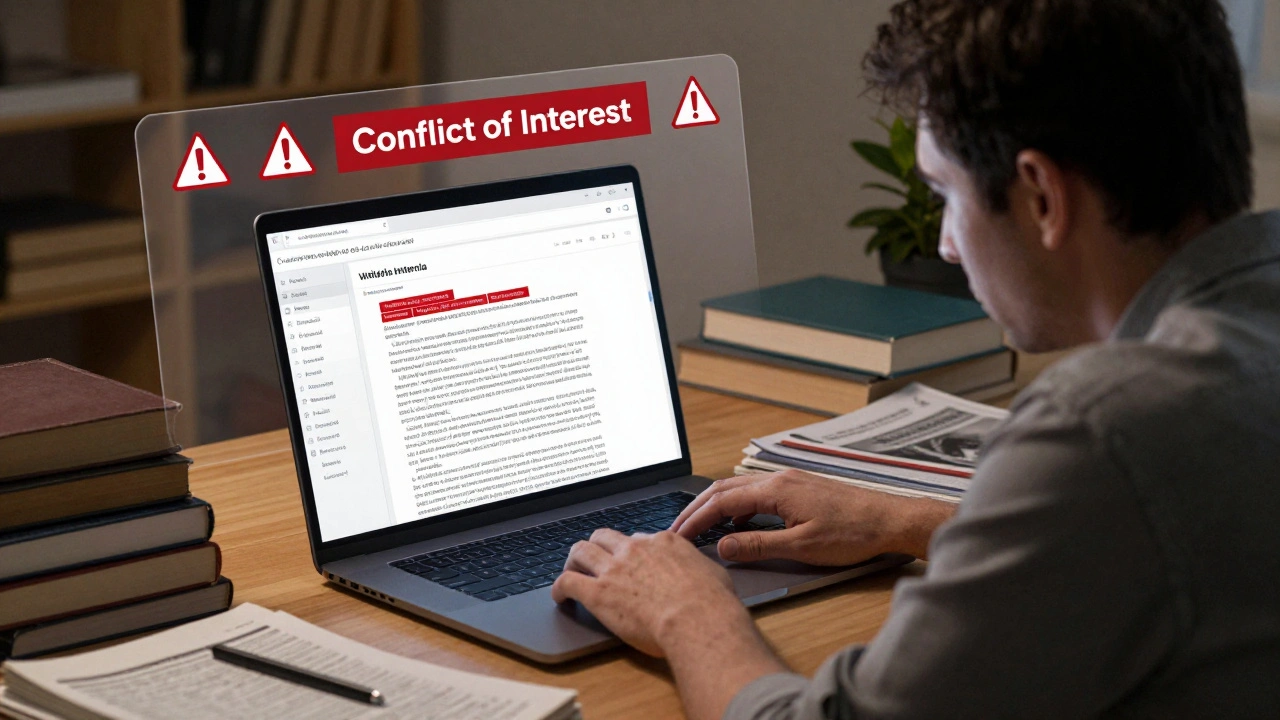
Managing Conflicts of Interest When Academics Edit Wikipedia
Academics often want to improve Wikipedia articles about their research, but editing directly creates conflicts of interest. Learn how to contribute ethically without violating Wikipedia's policies or undermining public trust.