Content Coverage on Wikipedia: What Gets Written, Who Writes It, and Why It Matters
When we talk about content coverage, the range and depth of topics documented on Wikipedia. Also known as knowledge representation, it's not just about how much is written—it's about what gets left out. Wikipedia claims to be the sum of all human knowledge, but the truth is, its content is shaped by who has access, time, and the skills to write it. Millions of articles exist, yet entire regions, cultures, and subjects remain underrepresented or missing entirely.
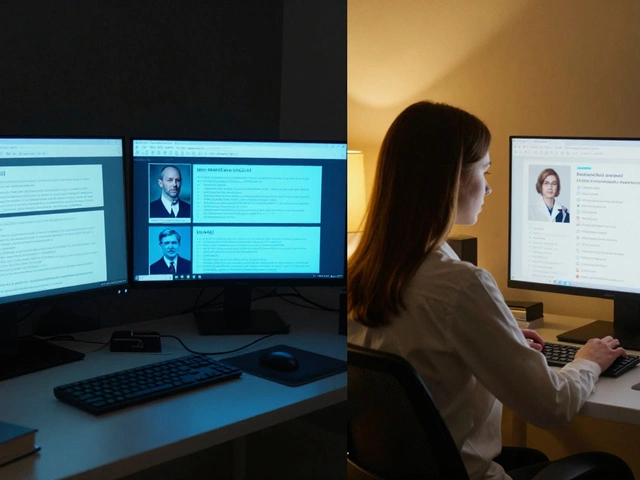
Wikipedia editors, volunteers who create and maintain articles. Also known as Wikipedians, they're the engine behind every fact, citation, and edit. But they’re not evenly spread. Most active editors live in North America, Europe, and parts of Asia. That means topics tied to those regions—like local politics, universities, or pop culture—get far more attention than, say, indigenous traditions in sub-Saharan Africa or rural healthcare in Southeast Asia. This isn’t an accident. It’s geographic bias, the imbalance in knowledge creation based on where contributors live. The result? A global encyclopedia that still feels like it was written mostly by a small, connected group.
Content coverage isn’t just about geography. It’s also about power. Who decides what’s notable enough to warrant an article? Who gets to cite which sources? And why do some topics—like celebrity deaths or viral memes—explode in coverage overnight, while critical issues like climate adaptation in small island nations get sparse updates? The answer lies in Wikipedia quality, how well articles meet editorial standards like verifiability and neutrality. High-quality articles need citations, structure, and careful editing. But those take time—and many communities lack the resources or training to build them.
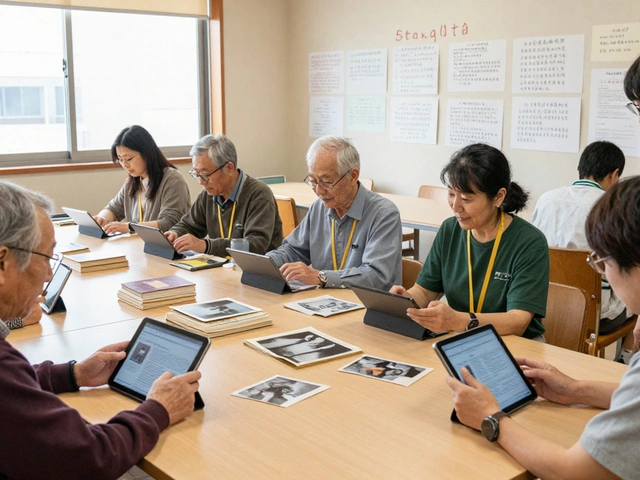
That’s why you’ll find posts here about how edit-a-thons in Nigeria or workshops in Peru are slowly shifting the balance. You’ll see how tools like TemplateWizard and content translation features help new editors contribute without drowning in wikitext. You’ll learn how the community fights spam, reviews edits, and updates articles during breaking news—all while trying to stay accurate and fair. This collection doesn’t just show what’s written on Wikipedia. It shows who’s writing it, why some things are missing, and how ordinary people are working to fix the gaps.
How to Use Wikipedia Category Trees to Map Beats and Topics for Journalism Coverage
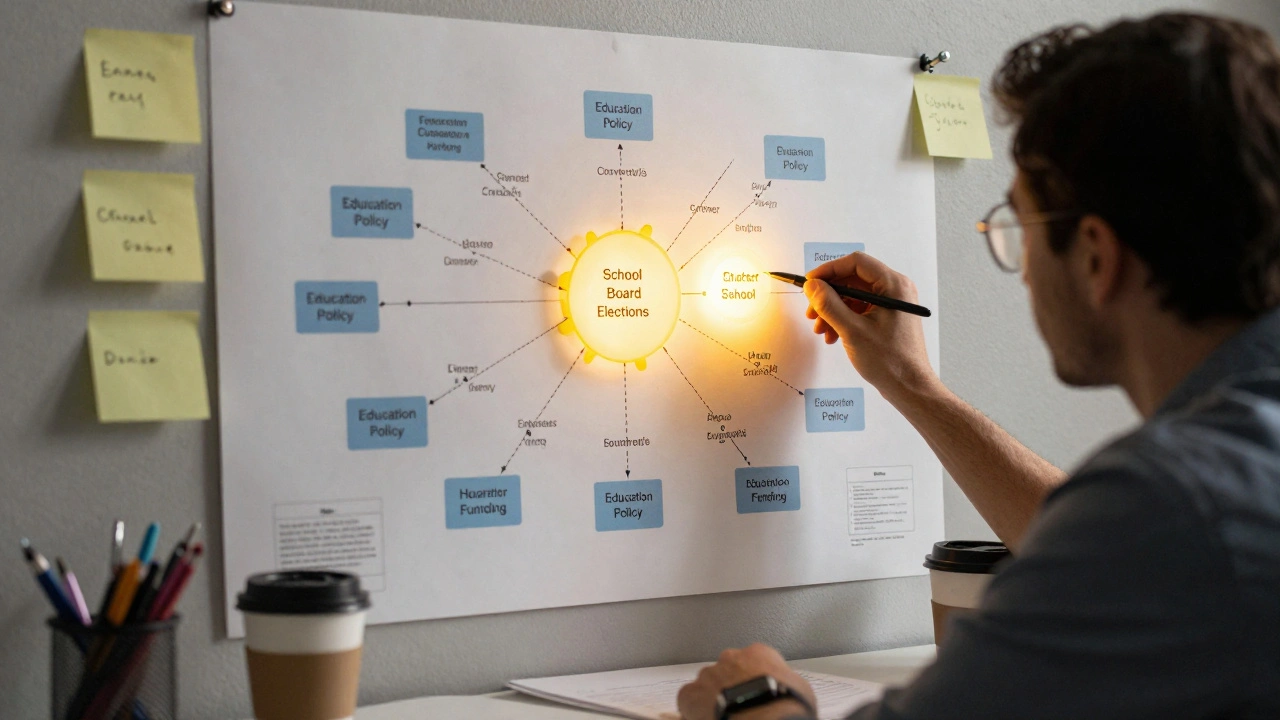
Use Wikipedia's hidden category trees to map journalism beats, uncover overlooked story angles, and build comprehensive coverage without wasting time on random searches.
Measuring Coverage Parity Across Wikipedia Language Editions
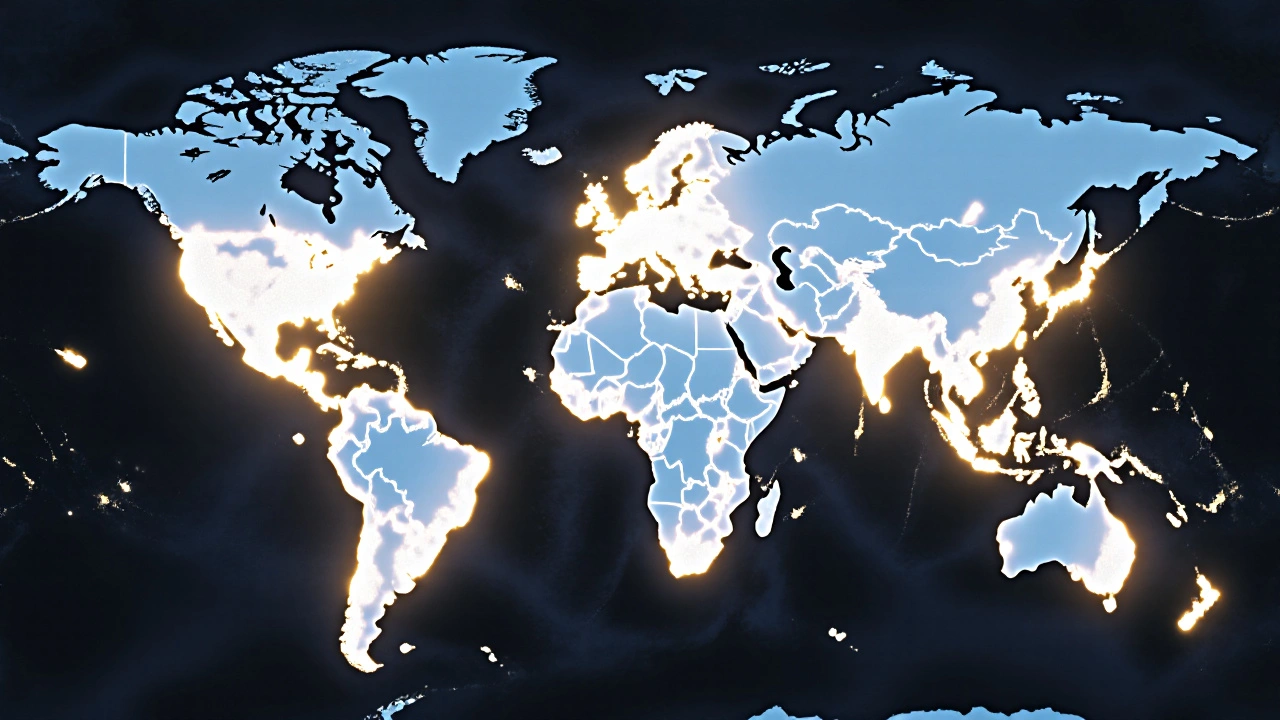
Wikipedia's language editions vary wildly in coverage. Measuring parity isn't about article counts-it's about whether your language and culture are represented with depth and accuracy in the world's largest encyclopedia.